In 30 seconds
- 1
The terms mark the Sun’s apparent position along the ecliptic at 15-degree intervals.
- 2
Names carry seasonal, weather and farming experience initially associated chiefly with the Yellow River region.
- 3
A shared calendar and local phenology must be read together; a term is not a nationwide weather forecast.
A celestial measure and earthly experience
The twenty-four terms divide the Sun’s apparent annual movement into twenty-four segments. Modern calculation uses solar longitude at 15-degree intervals. Equinoxes and solstices mark daylight patterns, while other names preserve weather and agricultural experience. This is neither a list of festivals on fixed monthly dates nor a system determined by lunar phases, and should be distinguished from the lunar dates of Spring Festival, Duanwu and Mid-Autumn.
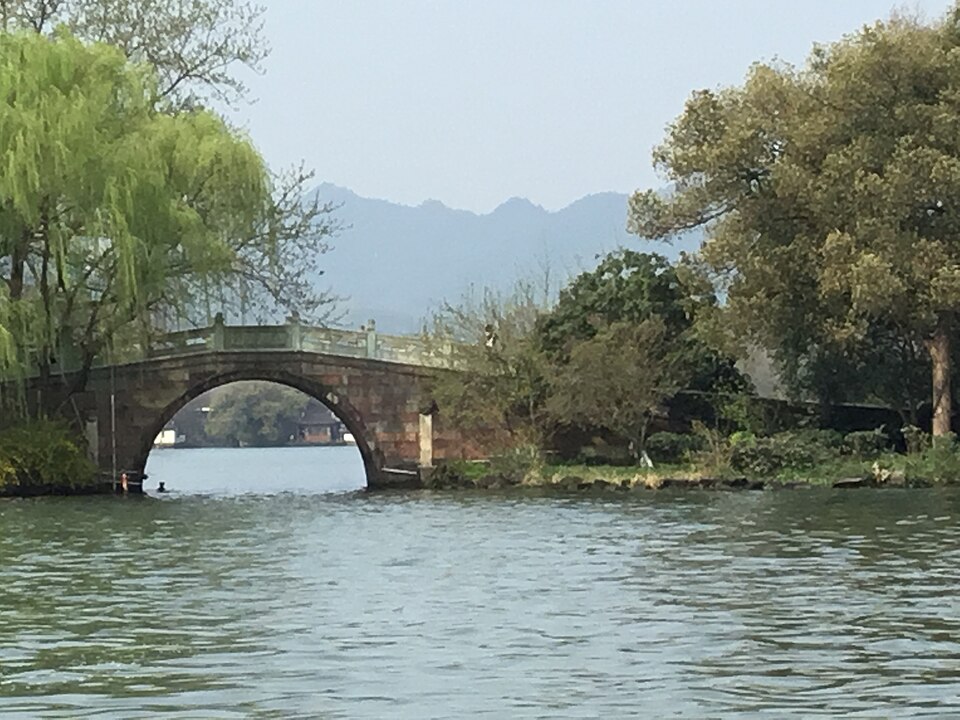
Originating in the Yellow River region, the knowledge spread to many communities and was inscribed by UNESCO in 2016. Shared names do not mean identical temperatures, rain or flowering dates. Hangzhou’s lakeshore and the heights of Huangshan can be in the same term yet differ with elevation, terrain and yearly weather. Travellers can use the terms to practise observation while allowing evidence to revise expectations.
On the spot
01
Notice light before temperature
Where to standAn open lakeside position that leaves circulation clear.
The same shore changes in shadow, colour and use between morning and evening. Equinoxes and solstices locate the annual solar cycle, while felt conditions also depend on cloud, wind and humidity. Record time, shadow direction and wind on two visits. A brief sensation is not the city’s climate. Separating a long cycle from current weather is a useful first step.
NoticeRecord time and weather twice at one view and compare facts rather than only writing “autumnal”.
02
Plants give a specific seasonal record
Where to standPublic paths beside planted areas or lakeside vegetation.
Identify leaves, flowers, fruit and bare stems instead of labelling every colour change “autumn”. Species, growing conditions and weather affect flowering and leaf fall. Terms encourage attention but cannot identify a plant. Returning to one specimen is more revealing than hunting a perfect date. Use labels and later digital research; do not pick or enter planted beds to investigate scent.
NoticeChoose a labelled plant and describe its present form without predicting flowering.
03
One day carries different calendar information
Where to standAn almanac, observatory information or a solar-term display.
Read Gregorian date, lunar month and day, and solar term separately: they answer different questions. Hong Kong Observatory provides yearly dates and times and explains the interleaving of major and minor terms. Select the correct year rather than copying an old graphic into a new itinerary. You need not memorise every term. Choose one nearby node and ask what experience its name conveys.
NoticeFind the nearest term and compare its date with one visible seasonal change.
04
Farming names put work back in the landscape
Where to standSeasonal produce in a market or a public agricultural display.
Names such as Grain in Ear and Grain Full connect time with crops and remind city travellers that vegetation can be productive work. A “seasonal” label may refer to a local harvest or marketing: ask about origin and use. Proverbs, families and education transmit the knowledge, while design and dining give it new settings. A modern solar-term menu need not be an unchanged ancient custom.
NoticeAsk where one seasonal product comes from and when it is harvested.
One term, many local seasons
Hong Kong Observatory publishes local climate observations by solar term, illustrating the need to pair shared names with place-specific data. Reading Beginning of Autumn as a nationwide cooling switch ignores geography; dismissing the vocabulary loses its value as a language of time and a habit of attention. The gap between calendar and experience can become a useful travel record.
Use weather forecasts and venue information for clothing, mountain activities and transport; terms provide context rather than replace practical judgement. A lakeside walk needs no perfect calendar date. Notes about foliage, light and wind gradually produce a local seasonal understanding and make abstract calendrical knowledge observable.
Going further
Before you go
- Observation setting
- Open shores and public paths at West Lake, Hangzhou; no paid performance or experience is needed.
- Calendar tool
- Select the correct year and time zone when looking up a term; Hong Kong Observatory’s tables use UTC+8.
- Weather and routes
- Choose clothing and mountain routes using local forecasts. Daylight helps inspect lakeside plants and banks; a solar-term name does not replace temperature, rain or wind information.
Being a good guest
- Observe from paths without picking, breaking branches or removing plants.
- Fields and tea plots are working spaces; get permission before entering.
- Keep narrow bridges and paths clear when recording light.
- Ask before photographing workers and do not request repeated work for a composition.