In 30 seconds
- 1
Mid-Autumn falls on the fifteenth day of the eighth lunar month; its Gregorian date changes.
- 2
The round moon evokes reunion, although astronomical full moon need not occur on the fifteenth.
- 3
Different cakes, rabbit imagery and local activities share a festival name without forming one uniform custom.
The shape and distance of reunion
Mid-Autumn falls on the fifteenth day of the eighth lunar month. Moon watching, meals and cakes make time visible and shareable. Roundness suggests reunion, but the occasion also belongs to people apart, who use greetings and the moon to express connection. Travellers can notice seasonal bakery displays, meal rhythms and time set aside for an evening rather than search for a complete ritual script.
The moon rabbit is familiar cultural imagery. Museum collections and paintings help place it historically. The Palace Museum’s rabbit-themed selection includes osmanthus-and-moon-rabbit, lunar-palace and Mid-Autumn images with differing compositions. Not every jade rabbit is a festival object. Read date, function and pictorial theme separately; imagery cannot substitute for lived practice.
On the spot
01
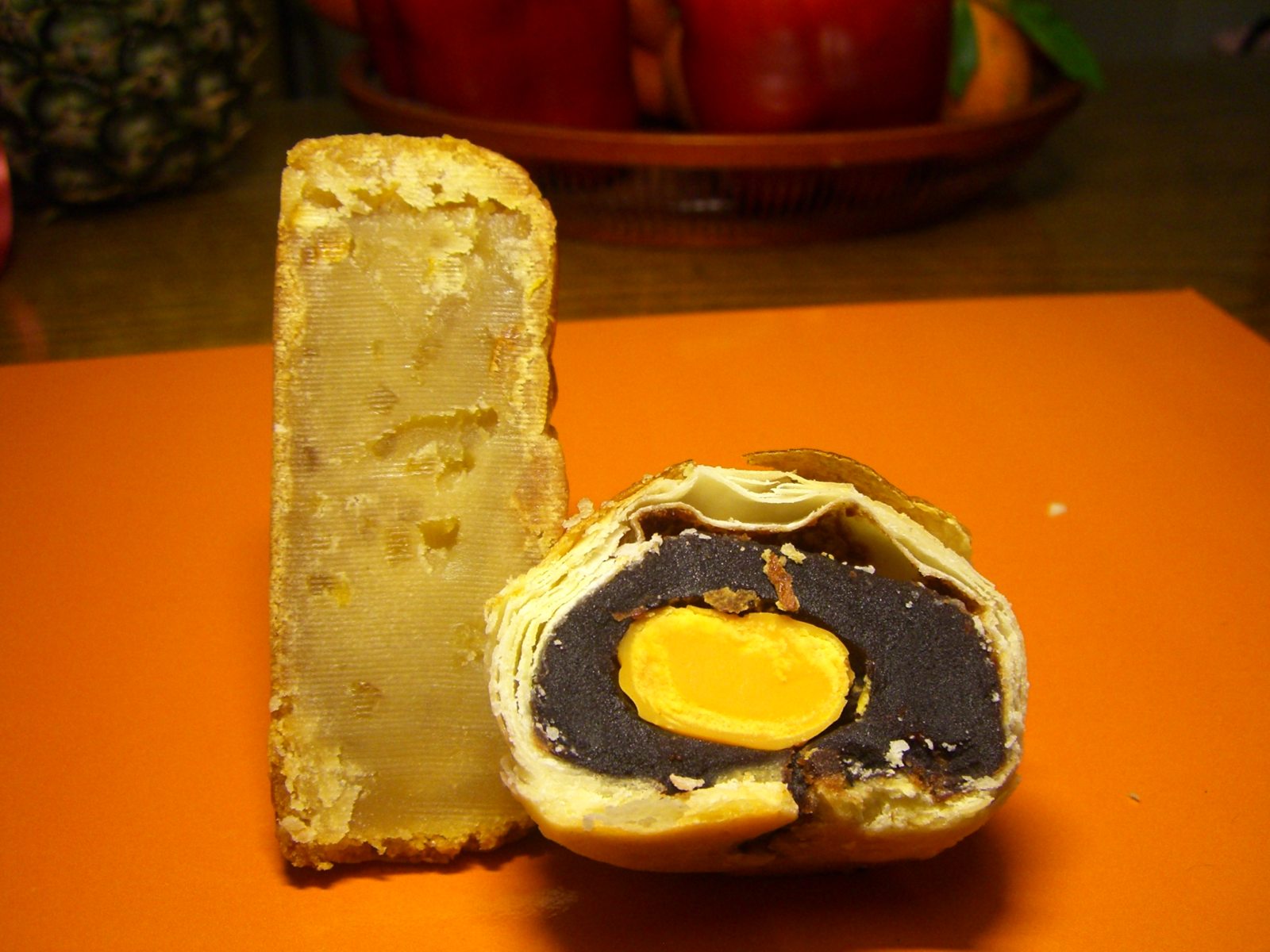
A cross-section explains more than a box
Where to standA cake bought for sharing, or ingredient labels at a bakery.
Compare pastry and filling proportions, then smoothness, particles and layers. Some cakes use dense sweet fillings or egg yolk, while other regional forms use flaky pastry or meat. Read ingredients rather than letting a style name stand in for allergens or storage advice. Cutting a cake turns symbolic roundness into sharing. An expensive gift box does not establish better craft or a preferable taste.
NoticeBuy a small selection, inspect the cross-sections and then compare taste.
02
The moon rabbit is an image tradition
Where to standDigital museum collections or a festival-related display.
Look for the relationship between moon disc, osmanthus and rabbit; tools for pounding medicine can give the rabbit a narrative role. Palace Museum interpretation connects rabbits and the moon through historical texts, but individual works differ in date and purpose. A rabbit alone is insufficient: surrounding objects and title establish the story. The same method helps read modern commercial designs using older imagery.
NoticeFind two details that suggest a lunar palace rather than an ordinary garden.
03
The festive moon and the astronomical full moon
Where to standA safe open public space with a suitable view.
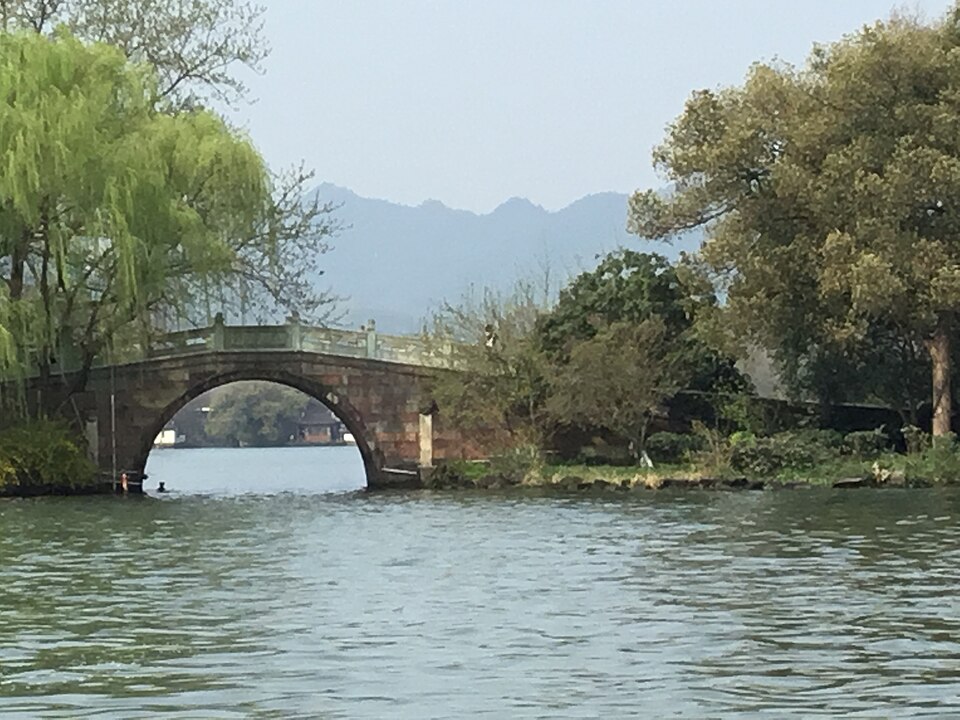
The fifteenth-day moon is a cultural expression, not an exact guarantee of full-moon timing. Hong Kong Observatory’s annual guidance lists moonrise and full moon, which can occur after the festival. Local conditions matter in other cities. Clouds, buildings and lighting affect visibility; missing the precise full moon does not mean missing Mid-Autumn. Attend to the actual sky and to the feelings people attach to it.
NoticeFind an unobstructed direction and notice the moon and surrounding clouds instead of only pursuing a phone close-up.
04
Reunion has public and private sides
Where to standPublic promenades, shops or announced events after dinner.
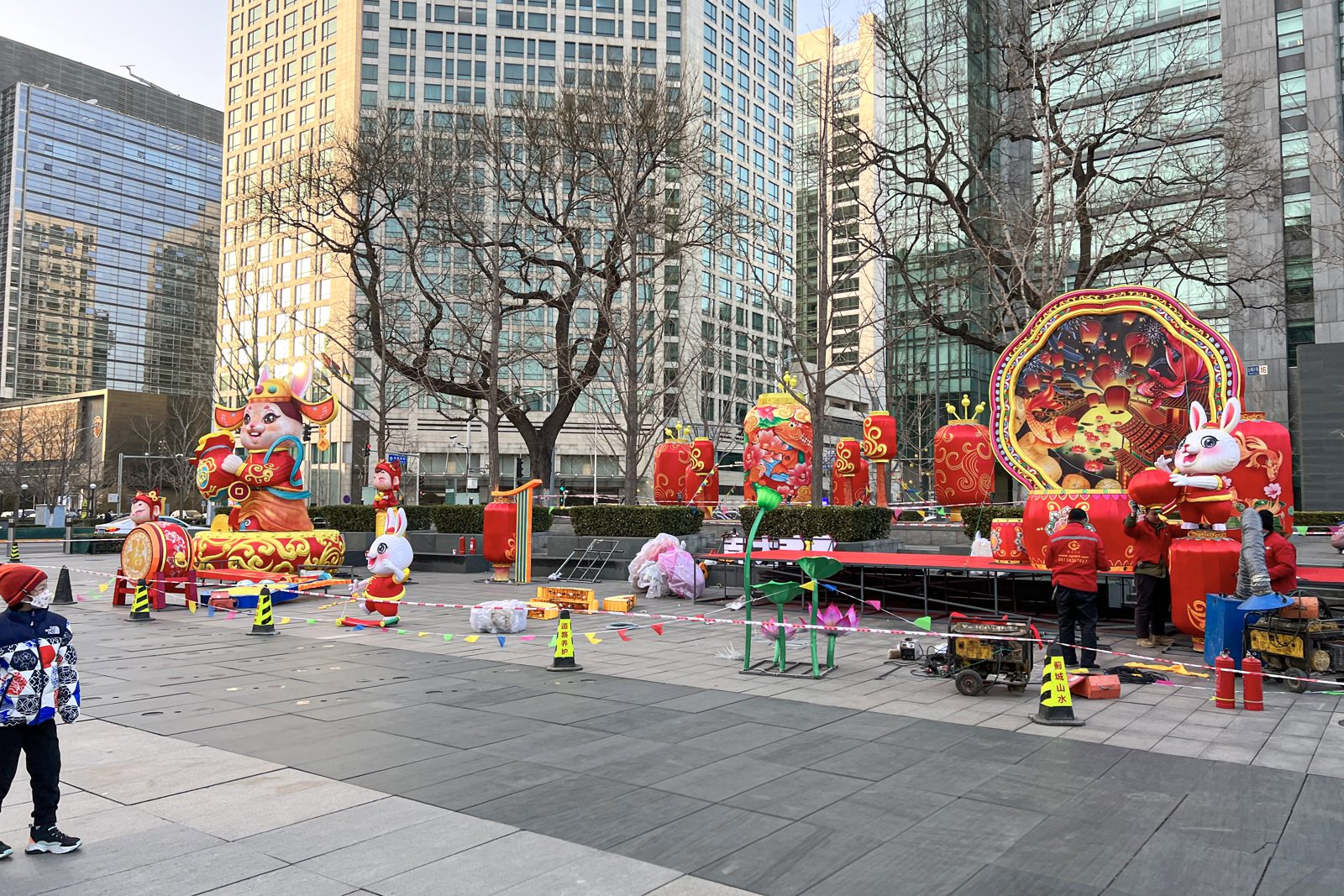
Cities may celebrate through lanterns and public events while families share quiet meals. Bakery queues, shared restaurant dishes and walkers reveal how the festival fits commerce and leisure. A dinner table is not a demonstration for strangers, and lanterns in one city do not guarantee the same programme elsewhere. Sharing a cake and sending a greeting can make observation personally meaningful.
NoticeLeave half an hour for a walk and describe one observed detail to someone far away.
Shared imagery, many ways to celebrate
New fillings, digital greetings and city programmes bring Mid-Autumn into changing lives. Instead of asking only whether forms have changed, ask whether sharing, care and gathering still occur. Regional taste, household habit and individual choice remain different beneath a shared moon.
The festival date and venue opening are separate matters. Moon watching needs neither an expensive package nor entry into a closed site. Choose a safe public space and a manageable dinner-and-walk plan. Ingredients, refrigeration and shelf life are more useful than authenticity claims, especially when taking cakes to another city.
Going further
Before you go
- How to participate
- Buy a few cakes, share dinner and watch the moon from an open promenade independently; private observances are not required.
- Evening planning
- Confirm evening access before choosing a park or attraction, arrange your return and account for weather and cloud.
Being a good guest
- Ask about dietary restrictions before sharing cakes and use clean utensils.
- Do not touch offerings or treat private dinner tables as photo sets.
- Keep paths clear and do not shine strong lights towards other moon watchers.
- Leave lantern decorations in place and avoid releasing flame-bearing lanterns.