In 30 seconds
- 1
The new year begins on the first day of the first lunar month, with preparations starting earlier.
- 2
Family reunions, visits and public celebrations connect, with local differences.
- 3
A couplet or a meal can reveal more than treating every custom as a single nationwide programme.
Crossing the year is a process
Spring Festival centres on the lunar new year but extends beyond its first day. Cleaning, shopping and preparing decorations gradually turn ordinary life into celebration. A shared meal and staying awake on New Year’s Eve make changing time a family experience. UNESCO’s 2024 inscription recognises social practices, transmission within families and communities, related skills and performances, and the maintenance of relationships.
Travellers most readily encounter lanterns and fairs, while much that matters takes place at home. Public celebration and family life follow different rhythms. A quiet street may mean shopkeepers have gone home; a meal does not require a lion dance to feel festive. Start with particular doors, foods and greetings instead of expecting every household to enact a fixed list of traditions.
On the spot
01
Words at the doorway look forward
Where to standShopfronts visible from the street; avoid lingering at residential entrances.
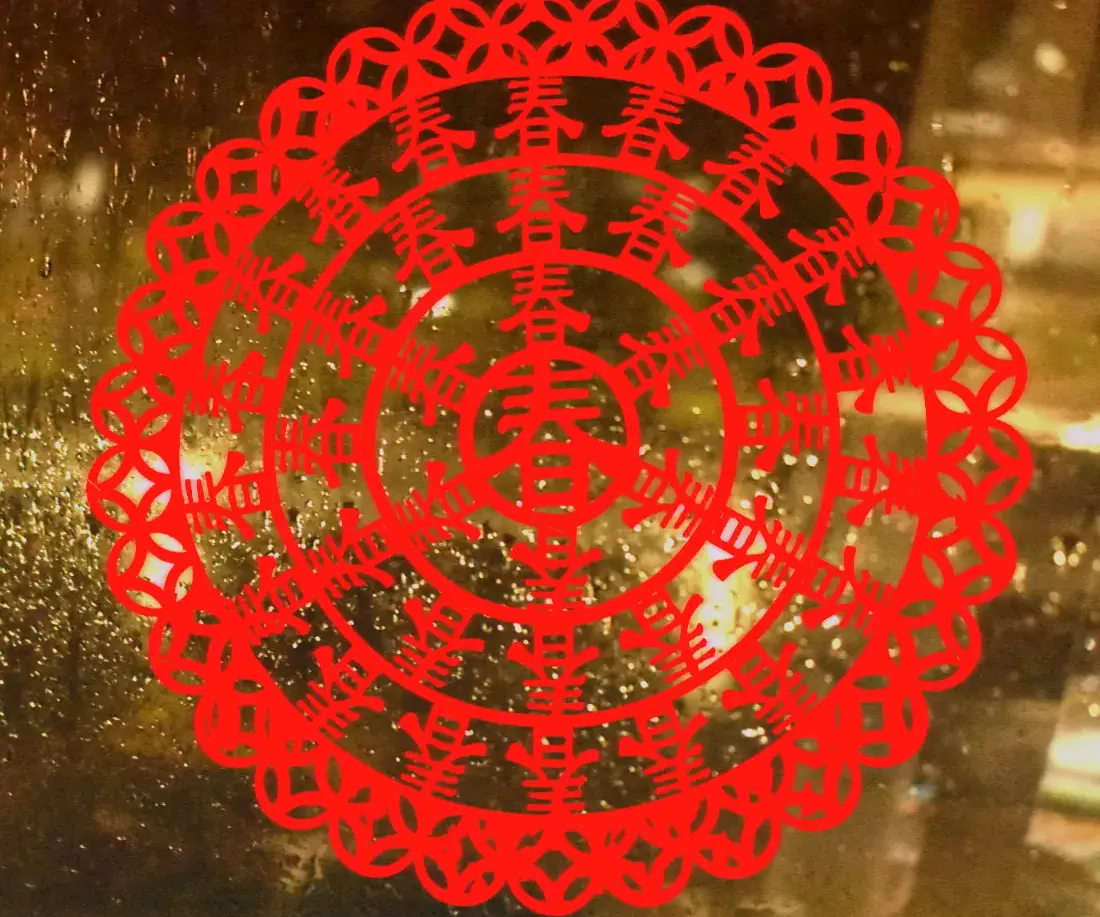
Couplets arrange wishes in two vertical lines, often with a horizontal heading. Fu characters, paper cuts and prints contribute through words and images. Without reading Chinese, notice balance, colour and placement, then ask a willing shopkeeper about one wish. An upright or inverted fu is not a universal rule: setting, region and household matter. Meaning belongs to a particular use.
NoticeFind a paired decoration and notice how it frames a doorway.
02
A reunion meal gathers relationships
Where to standA restaurant’s festive menu, or a family table to which you have been invited.
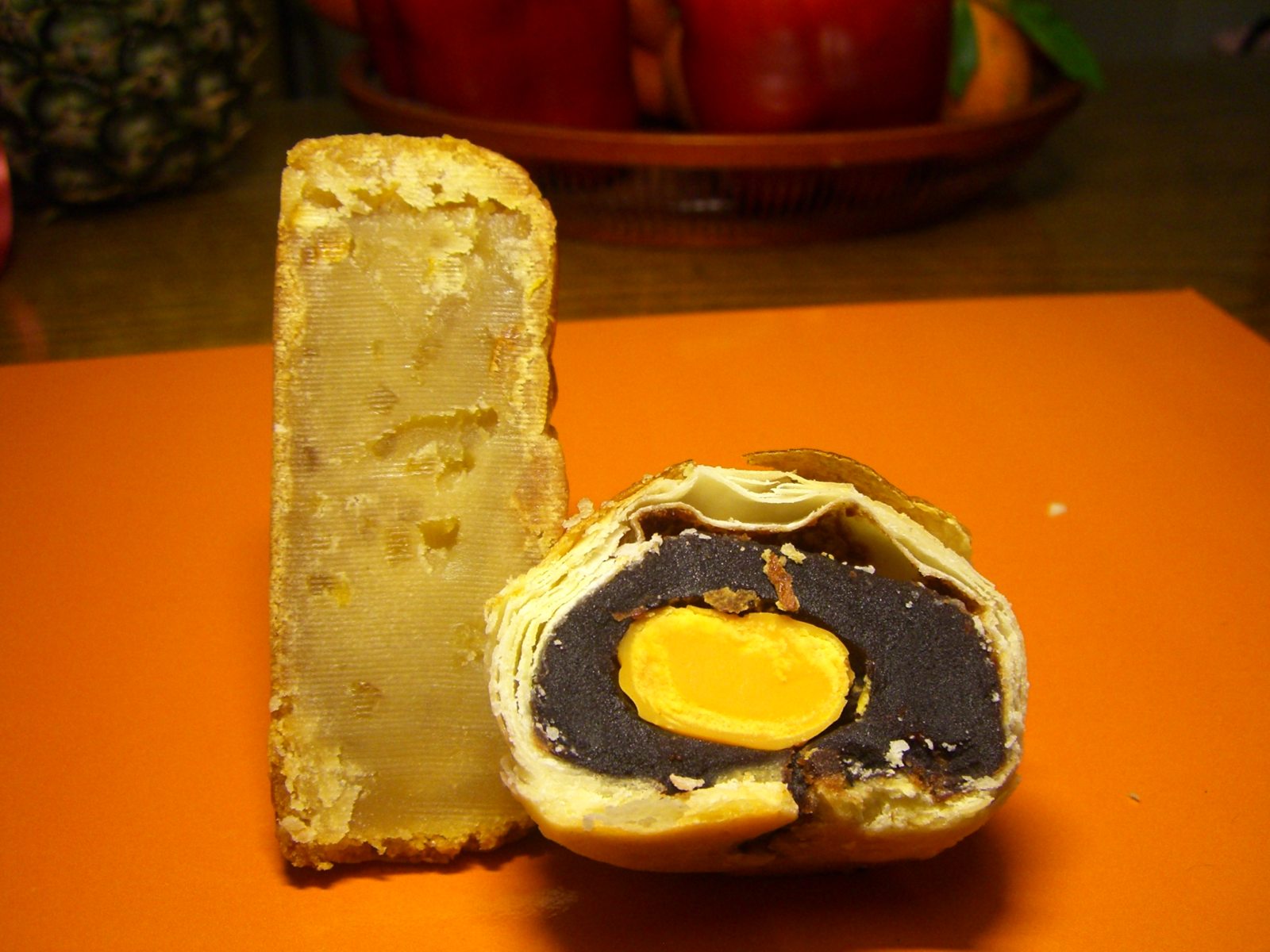
Dumplings or rice cakes do not establish a single national New Year’s Eve menu. Families use regional tastes, available ingredients and individual preferences; auspicious wordplay is one form of expression. Notice how people eat together: who prepares, who attends and how absent relatives are remembered. A restaurant package expresses the festival commercially, while a home table has its own history.
NoticeAsk why one dish belongs on the festive menu, rather than requesting a catalogue of customs.
03
Greetings map relationships
Where to standIn an ordinary conversation where you are welcome.
New Year greetings reach elders, relatives, friends and neighbours. Visits, calls and video chats can all renew ties. For a traveller meeting someone briefly, “Happy New Year” is enough. Red-envelope giving depends on age, relationship and household practice. It is neither a photo prop nor a ritual strangers need to copy to belong.
NoticeLearn xinnian hao and offer it to someone you are actually speaking with.
04
Lanterns make celebration public
Where to standOpen streets and public events with stated admission arrangements.
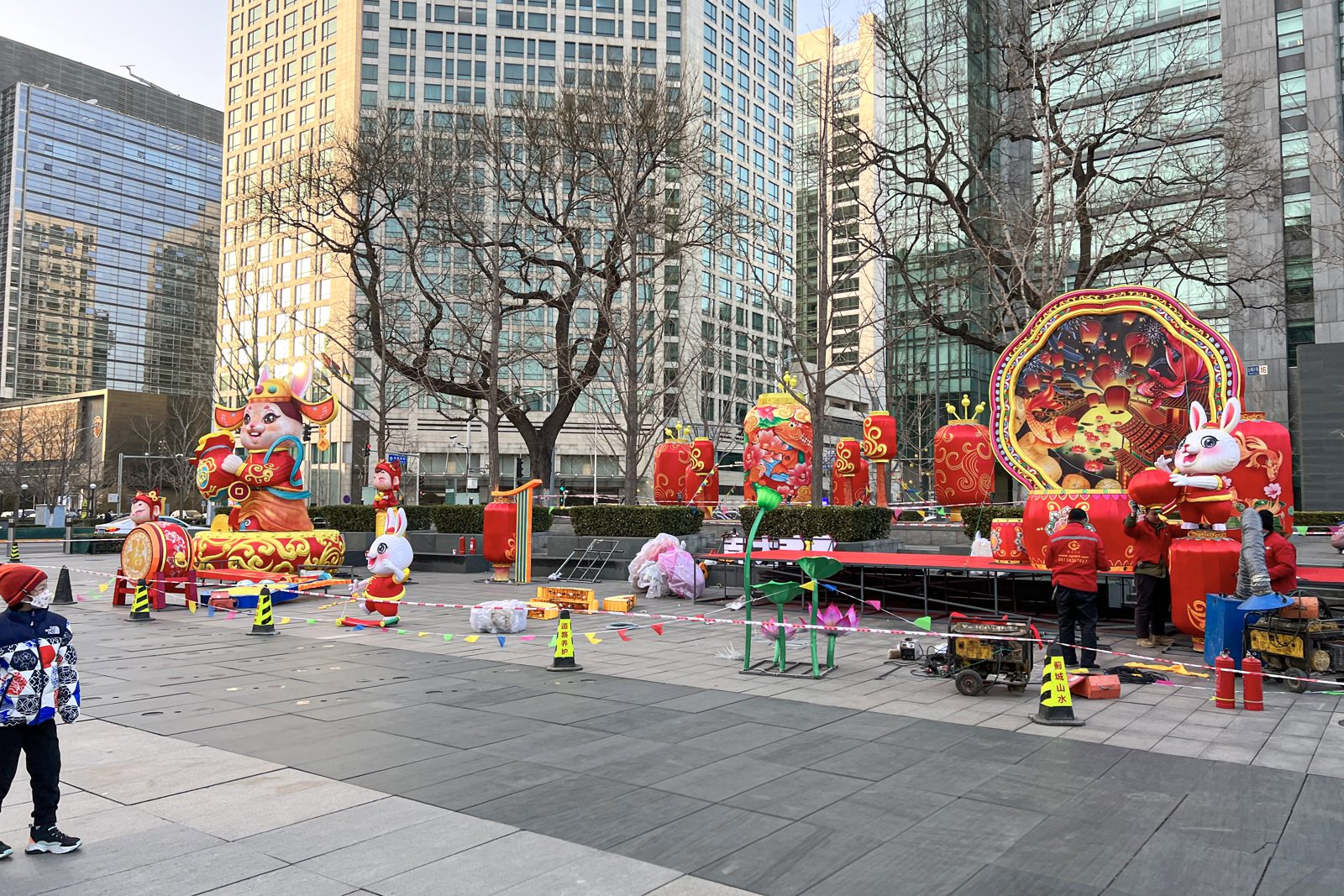
Beijing’s festive streets combine lanterns, zodiac animals, written wishes and installations. Compare familiar imagery with modern lighting and notice the year-specific theme. The rabbit-year photograph records a 2023 display, not an annual fixture. Fairs and performances require organisers, sites and workers. Public celebration both carries older forms and creates new ones.
NoticeDistinguish permanent buildings from temporary decorations and see how they work together.
New forms can carry old relationships
Public programmes, online greetings and new designs can coexist with family transmission. Handwritten and printed couplets, returning home and calling from afar may all participate in relationships. The loudest image cannot represent the whole festival: preparation and the return to ordinary business are part of crossing the year.
Treat the lunar festival date, public holiday arrangements and individual event schedules separately. They are related but distinct. Arrange intercity travel early and allow for restaurant or shop closures, leaving time to understand the festival instead of racing between performances.
Going further
Before you go
- Pacing
- Arrange meals and long-distance transport for New Year’s Eve and New Year’s Day ahead of time; join private family activities only by invitation.
Being a good guest
- Do not remove couplets, fu characters or paper cuts as souvenirs.
- Meals, ancestral observances and staying up at home are private; follow your host’s lead when invited.
- Ask guardians before photographing children or red-envelope exchanges.
- Keep exits and performance routes clear while queuing at fairs.