In 30 seconds
- 1
Silk names a fibre; satin and gauze also describe fabric structure. Keep these categories separate.
- 2
Weaving makes cloth from warp and weft; embroidery adds stitches to an existing ground. Look for that distinction.
- 3
For purchases, read fibre percentages, dimensions and care labels; shine and touch are supporting observations.
A production chain linking different regions
Museum interpretation and silk-related heritage documentation connect sericulture, reeling and weaving as a continuous body of knowledge. Rearing requires feeding and environmental care. Turning a cocoon into workable thread involves preparation and controlled pulling; a loom then organises yarn into fabric. Chinese sericulture and silk craftsmanship entered UNESCO’s intangible heritage list in 2009, with traditions documented across several regions. It would be misleading to assign the entire chain exclusively to one Hangzhou workshop. Reading locations, makers and technique names helps reveal local differences within shared processes.
The museum’s silk and Silk Roads displays place textiles within exchange and social change. Silk fibre could serve clothing, ritual, trade and art. Tapestry weaving, embroidery and patterned cloth create designs through different operations, with labour concentrated at different stages. A delicate surviving fragment should not automatically be imagined as a complete modern shop garment. Its condition, size and original use shape what we can responsibly infer. Following those details also makes apparently similar textiles more interesting: the distinction lies in how their surfaces were built, not simply in which motif they show.
On the spot
01
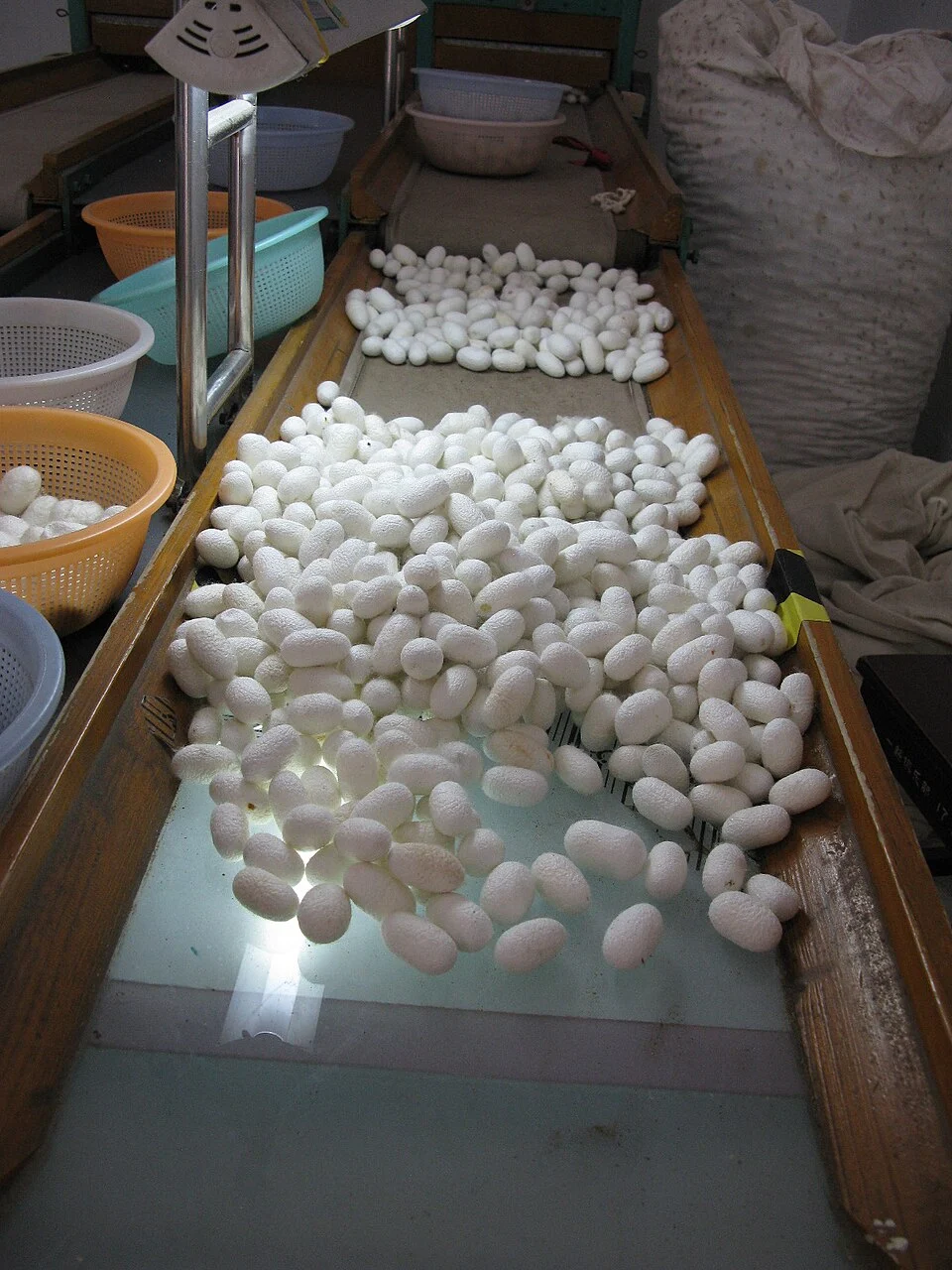
Between a cocoon and usable thread
Where to standCocoons, reeling tools and process diagrams.
A cocoon is not a ready-wound ball of ordinary yarn. Reeling requires finding filament ends and combining fine filaments into a thread suitable for further work. Watch how tools guide, collect and maintain continuity rather than concentrating only on the spectacle of pulling something long. Museum activity archives show hands-on sessions, but ordinary opening does not imply a class runs that day. Without a demonstration, trace the input and output of each stage in the process diagram.
NoticeIdentify the stage where individual cocoons become workable thread.
02
How warp and weft meet
Where to standA loom model, weave diagram or enlarged textile detail.
Follow crossings in the fabric’s two directions. Warp is arranged along the weaving direction, while weft passes across it. The structure determines which threads float on the surface and which pass beneath. Loom complexity is not a universal ranking of artistic value: a relatively simple structure can produce varied effects through density, yarn and colour. Once you recognise the crossings, ask whether a motif is woven into that structure or added through printing, dyeing or embroidery afterwards.
NoticeFollow one thread through three crossings in a weave diagram.
03
What produces the surface?
Where to standTextiles labelled with material and weave information.
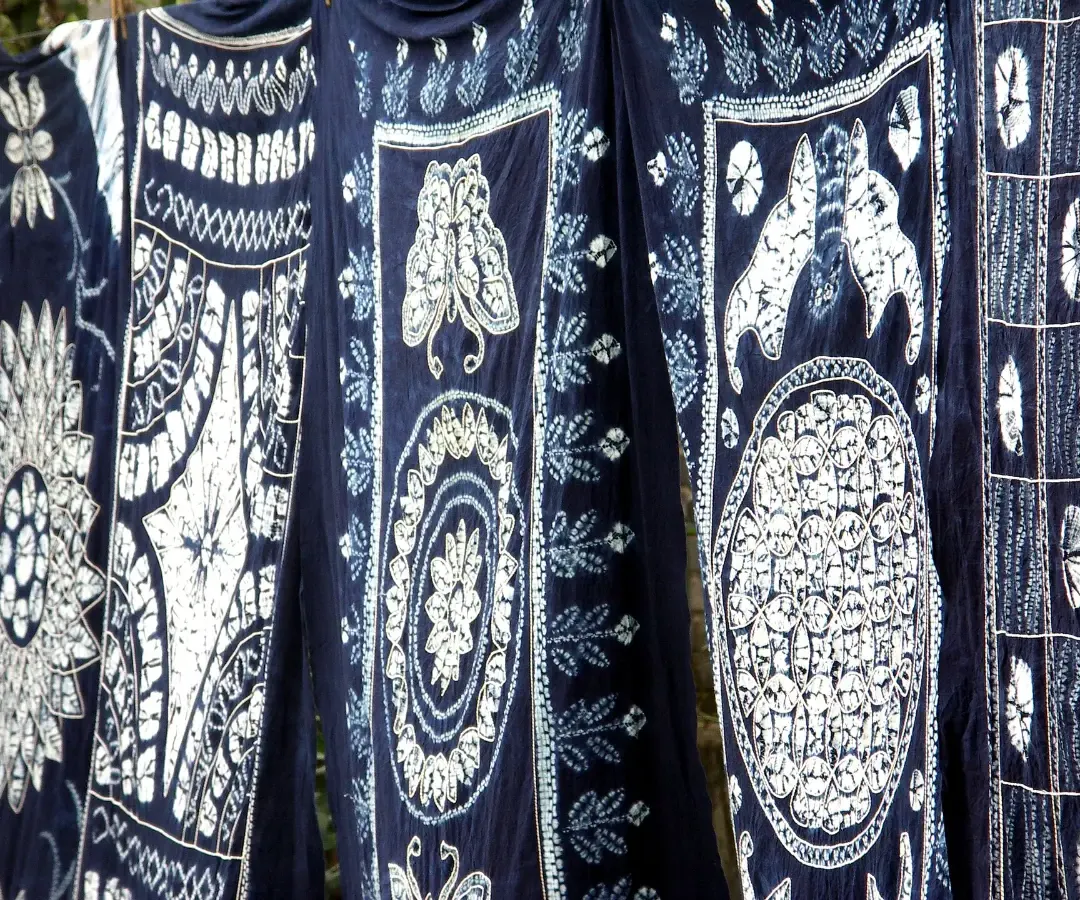
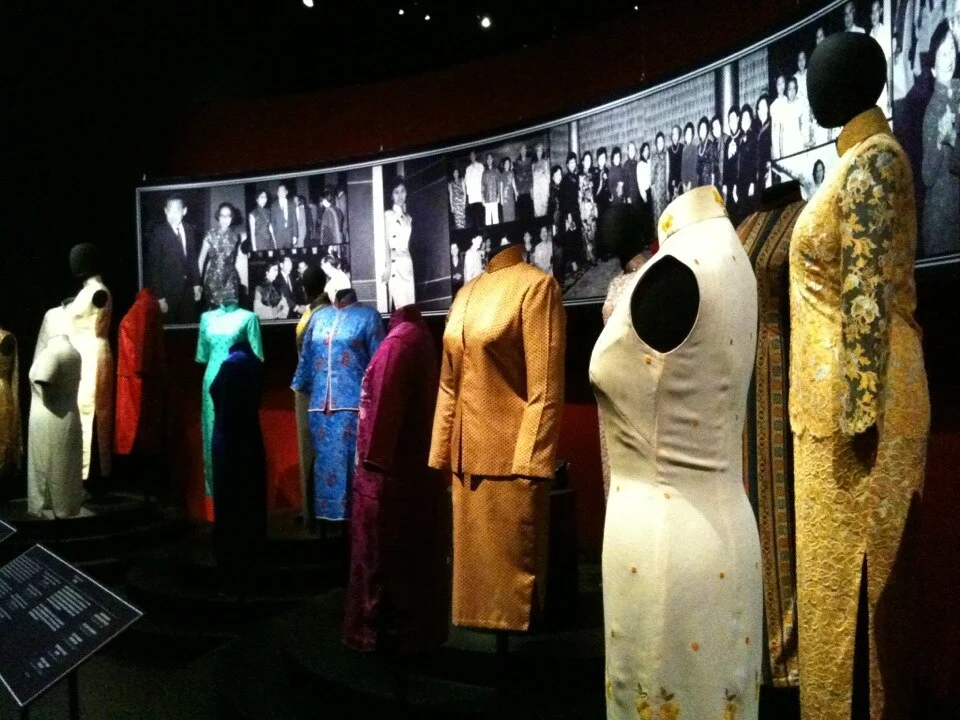
Satin sheen relates to floats on the fabric surface, but brightness alone cannot establish fibre content. Different materials can produce similar appearances, and not every silk textile looks glossy. Compare translucency, thickness, texture and motif edges, then relate those observations to the label. Museum objects must not be touched or subjected to destructive tests. For a purchase, clear composition information is more useful than a dramatic demonstration: surface appearance is evidence about structure and finish, not a complete fibre analysis.
NoticeCompare a less glossy silk textile with a satin surface.
04
At what stage does the design enter?
Where to standNearby displays of patterned weaving, tapestry and embroidery.
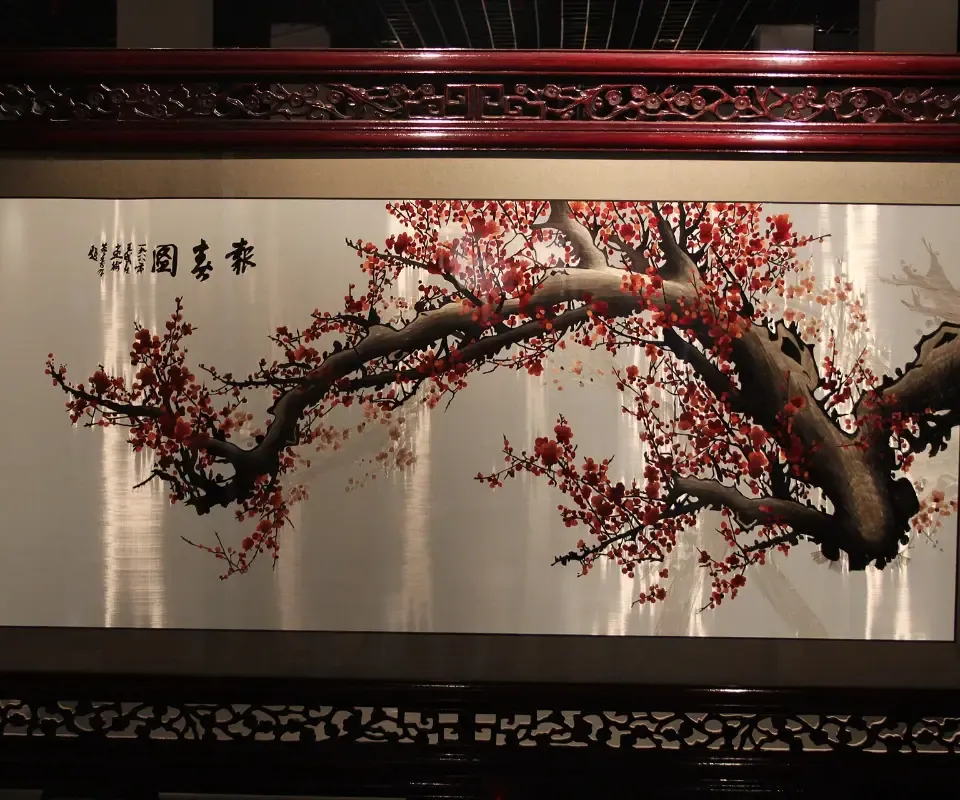
Ask whether a design was woven or embroidered. Silk tapestry uses continuous warp with discontinuous weft to organise coloured areas; embroidery adds needlework to a ground already made. Backs, edges and production sequence can provide clues, but never ask staff to turn a fragile object for you. Diagrams and detail photographs can support a precise description beyond “both are made of silk.” Understanding construction also explains why repairs and conservation methods differ, even when two pieces depict similar flowers.
NoticeDescribe how the ground and the motif were each made.
Craft knowledge in new production settings
Silk production includes inherited hand skills alongside industrial and digital weaving. Museum interpretation connects modern machinery and contemporary textile design with earlier processes, so a machine should not simply be read as the disappearance of tradition. Different methods serve different quantities, uses and designs. When buying a scarf or garment, ask about composition, origin, manufacture and care rather than expecting every product to satisfy an imagined standard of ancient hand production. Clear information helps distinguish craft works from everyday manufactured goods and appreciate the purpose of each.
Going further
- OnlineContinue with embroideryCompare how embroidery changes a ground fabric that has already been woven.
Before you go
Being a good guest
- Do not touch cocoons, textiles or looms unless an activity allows it.
- Follow instructions and never jerk the thread.
- Do not feed displayed silkworms food you bring.
- Ask before examining merchandise and do not burn threads.