In 30 seconds
- 1
Read an object’s date, material and archaeological or collection context before interpreting its shape.
- 2
Describe overlapping collars from the wearer’s perspective; mirrored photographs can reverse them.
- 3
Clothing hire, styling, photography and attraction admission are separate services; check what is included.
History contains more than one outfit
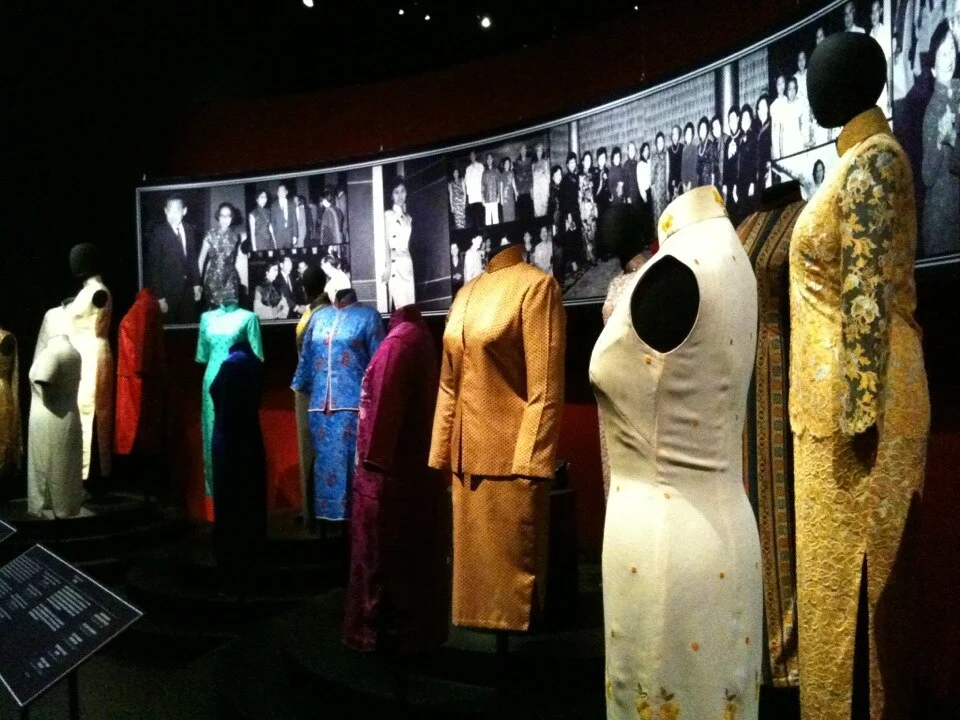
The China National Silk Museum places dress within changes in materials, production and society. Surviving clothing can reveal actual panels, textiles and seams, but it may be damaged, and burial conditions affect what survives. Paintings contribute settings and combinations; written records contribute regulations and names. These sources answer different questions. A clearly painted figure is not automatically a reliable cutting diagram. Reconstruction usually requires several kinds of evidence to support one another, with remaining uncertainties acknowledged rather than concealed by an impressive finished outfit.
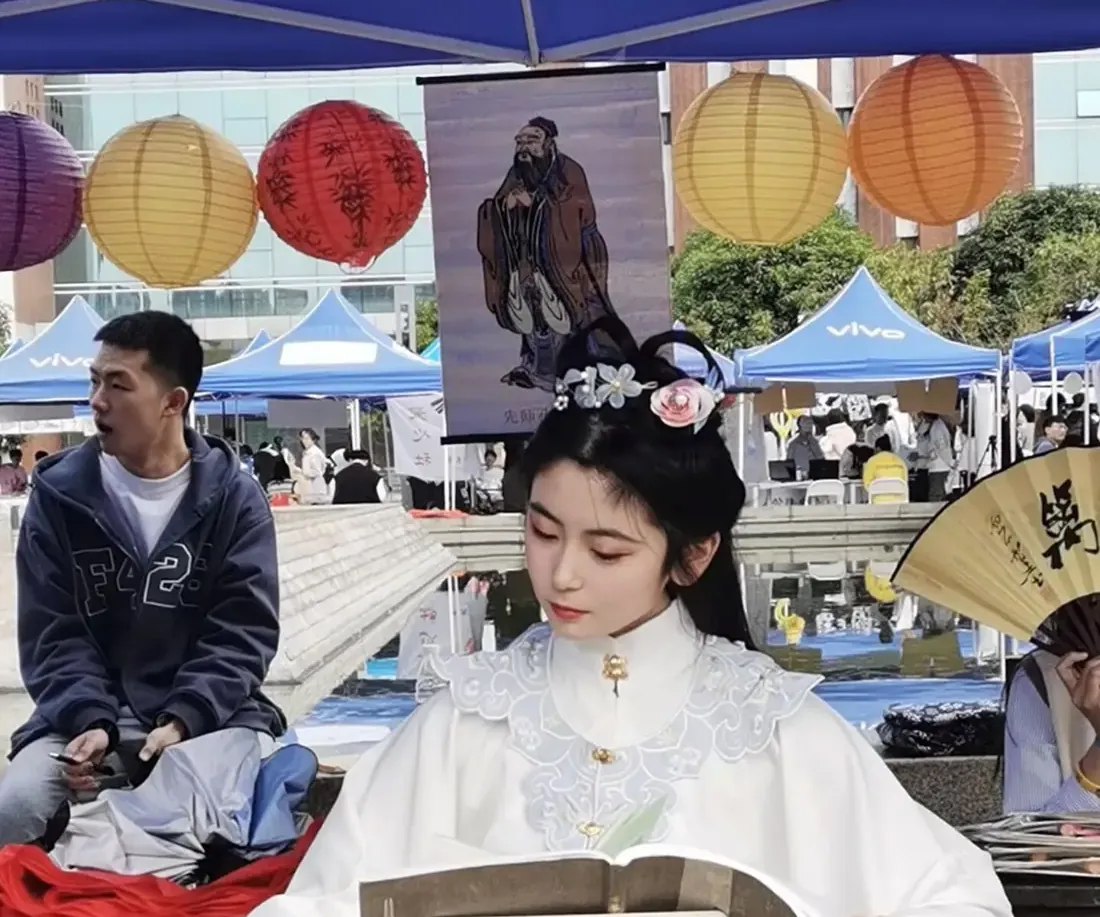
Contemporary hanfu activity is also a cultural practice worth observing. The museum has held Hanfu Month programmes combining exhibitions, knowledge exchange and clothing events. These are occasions where people select, learn and create relationships with tradition. A garment may be an object-based reconstruction or a design with sleeve width, length and fabric adjusted for everyday movement. Both have purposes. The useful question is what a garment claims to represent, rather than treating every wearer as someone who must pass a historical examination before enjoying their clothes.
On the spot
01
Read the collar from the wearer’s side
Where to standA labelled historical robe or construction diagram.
In an overlapping collar described as right-fastening, the wearer’s left front generally covers the right. Do not judge this using your own left and right while facing the garment. Follow one collar edge to its extension and locate ties or other fastening points. The museum’s description of a Ming robe records a particular construction. It does not mean every period and purpose used an identical collar. Round, straight and overlapping collars should be examined separately; a single term cannot date every outfit.
NoticeTrace the overlap on your own torso before reading the display.
02
Waistlines and layers organise dressing
Where to standAn ensemble or a display with a dressing diagram.
Observe how a top relates to a skirt, or a robe to its inner layers. Where does the belt sit? How many collar edges show? How does the front open? An apparent high waist in a photograph may result from skirt placement, camera angle or posture. A silhouette alone is insufficient evidence. When trying clothes, ask about dressing order and fastening, then check walking, sitting and raising your arms. Understanding construction becomes practical assistance rather than simply memorising unfamiliar garment names.
NoticeWalk and sit after dressing to check the belt and hem.
03
Separate shape from textile evidence
Where to standClothing accompanied by textile information.
Similar garment shapes can be made from different textiles. A shiny surface does not automatically mean silk or establish a wearer’s historical status. Read fibre, weave and decoration information before considering drape and thickness. Satin, gauze and patterned textiles produce different effects, while modern rental clothes may use blends suited to repeated cleaning. Comfort during a long summer walk depends on the actual layers, weight and ventilation. These practical properties are more useful than a promotional promise of an ethereal appearance.
NoticeAsk about fibre content, cleaning and suitable weather.
04
Reconstruction, screen costume and everyday design
Where to standAn explained display, event or rental shop.
When a label says Song or Ming style, ask which object, image or study informs it, rather than treating the name as proof. Screen costume serves character, movement and visual storytelling; everyday design serves present-day use; historical reconstruction should explain its evidence. These aims can overlap without being interchangeable. At an event, listen to how participants describe their work. A wearer may simply enjoy a colour or silhouette and make no strict reconstruction claim at all.
NoticeIdentify one concrete reference and separate it from the designer’s new choices.
Tradition changes on present-day bodies
As hanfu enters parks, weddings, stages and everyday wardrobes, sizing, pockets, footwear, styling and accessories adapt to new situations. Online photography spreads similar looks quickly and can make a fashionable combination appear to be the only historical answer. A productive travel approach keeps two questions in conversation: who wears this today, and why; and what do surviving objects tell us about the past? This recognises contemporary creativity while keeping attractive photographs from substituting for evidence that can be checked.
Going further
- OnlineRead a garment’s structureBegin with collars, ties and panels, then examine silk textiles.
Before you go
Being a good guest
- Ask before photographing a wearer.
- Do not pull sleeves, hems or accessories.
- Check footwear, accessories and cleaning rules before fitting.
- Gather long hems on stairs and keep paths clear during photographs.