In 30 seconds
- 1
Thread direction shapes texture and reflected light.
- 2
Splitting thread changes fineness; consider its purpose.
- 3
Double-sided work, framed images and clothing impose different demands.
More than one way to build an image
Suzhou embroidery names regional practices rather than one stitch. Heritage accounts distinguish fine traditional work, Shen Shou’s naturalistic approach and Yang Shouyu’s crossed-stitch innovations. Refinement need not mean every thread is parallel. Threads follow a shape or cross and build layers of colour and texture. Ask which approach a work uses before deciding how to look. Photographic likeness is not the only useful criterion for evaluating what the material can do.
Zhenhu connects household work, professional studios, exhibitions and commissions. A finished object can involve design, colour selection, splitting, stitching, finishing and mounting. A master’s name helps identify provenance, while repeated stitches represent actual labour. The museum brings regional traditions into comparison rather than requiring a ranking. Let one visible detail lead you toward the whole process, instead of viewing the gallery merely as a collection of impressive final pictures.
On the spot
01
Follow the thread direction
Where to standAn identifiable flower or bird detail.
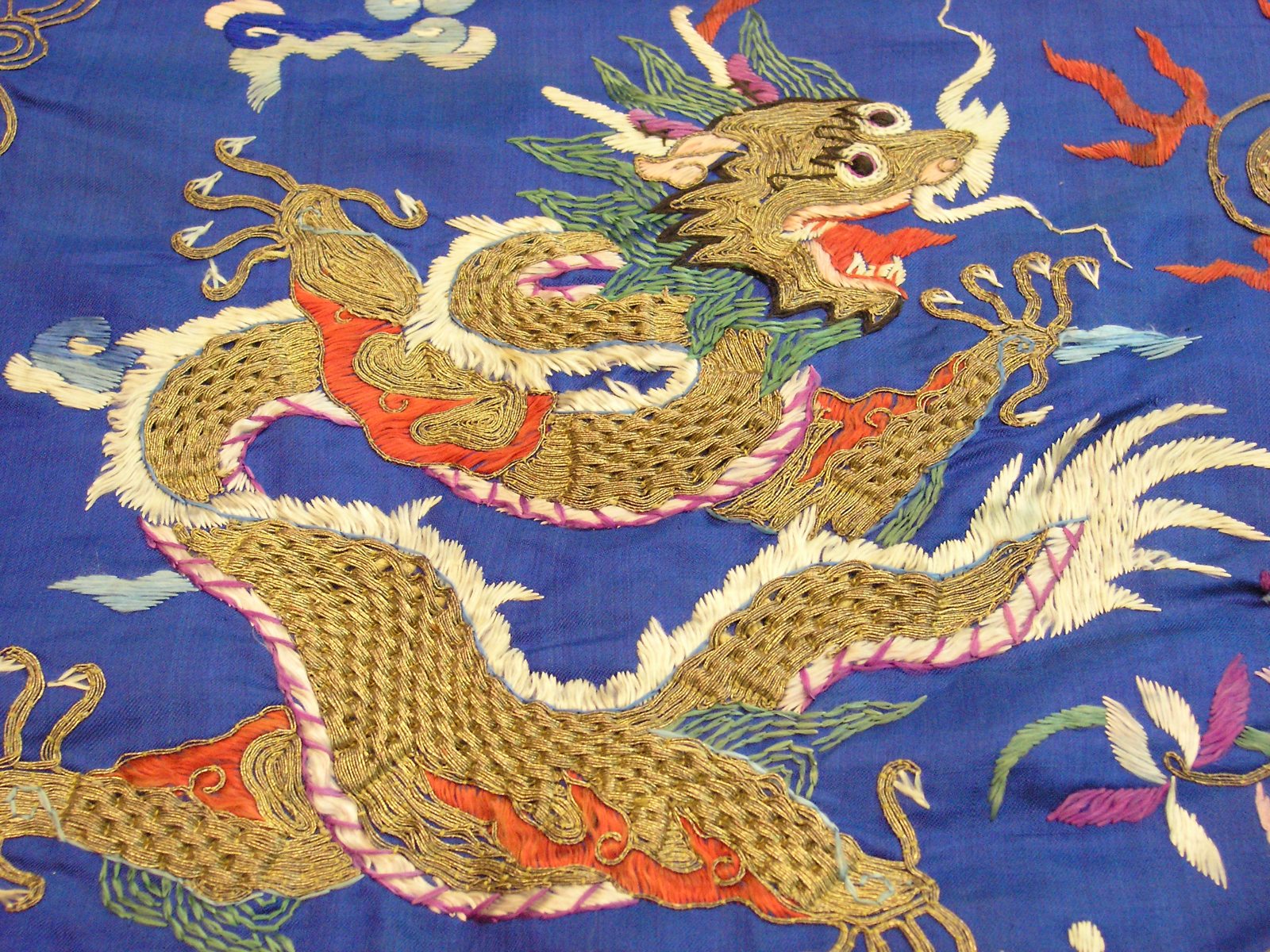
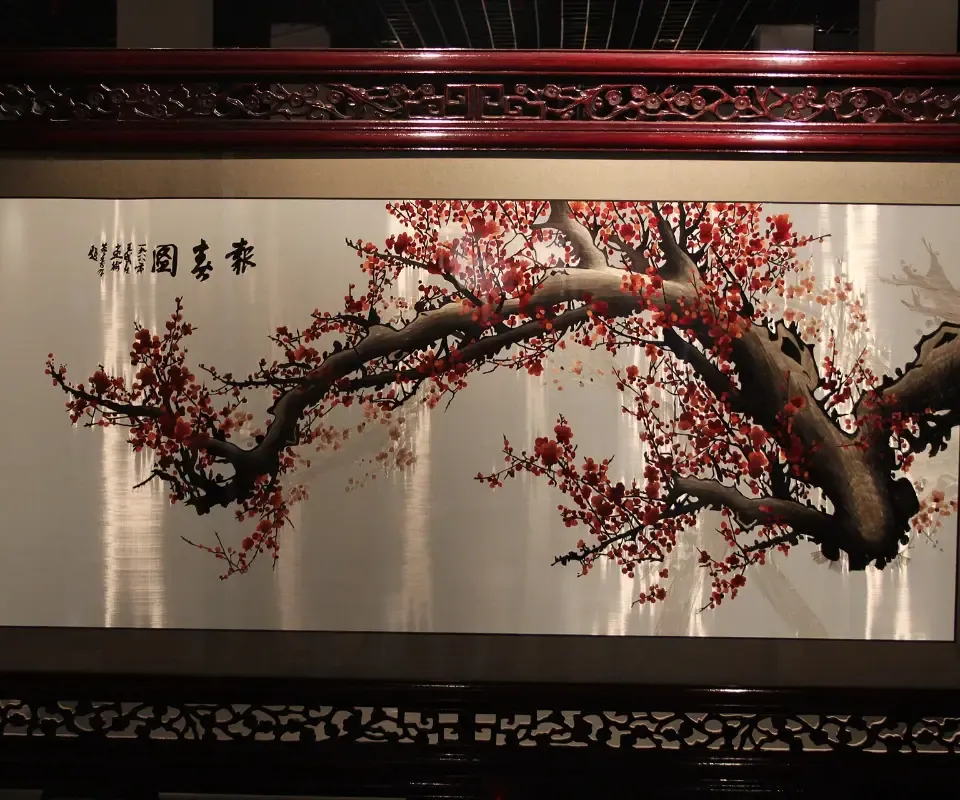
Choose a petal or feather and inspect how threads relate to its form. Do they follow growth, or cross to build shadow? The same pink may change in brightness with thread direction and viewing angle. Attention to construction reveals expression beyond likeness. Avoid crowding cases or blocking others. A permitted photograph or museum detail image can extend the comparison while keeping the viewing space available to everyone.
NoticeChange position and compare the same petal’s brightness.
02
What problem does a finer thread solve?
Where to standAn offered thread-splitting demonstration.
Dividing thread provides finer strands for small edges and tonal transitions, but strand count is not a universal quality ranking. Thicker thread can build a strong surface; broad areas and minute details need different coverage. Watch selection, splitting and threading, not speed alone. Asking why this strand suits this spot is more specific than asking how long a whole picture takes, since duration depends on size, design, method and collaborators.
NoticeAsk why this particular detail needs this thread thickness.
03
Crossed stitches are organised work
Where to standA work with its technique identified.
Crossed stitches accumulate colour layers. Apparent irregularity close up can resolve into continuous tone from farther away. This is not an absence of design: direction, length, colour and density remain decisions. Compare similar subjects for the handling of hair, skin or petals, rather than comparing working time across very different sizes. An explanation through material method comes closer to the maker’s choices than an assumption that tradition always means uniformly neat lines.
NoticeInspect the layers, then step back to see the image resolve.
04
The reverse is part of the construction
Where to standA double-sided work with permitted views of both faces.
Double-sided work coordinates images and concealed thread ends on both faces. Identical subjects, different colours and different images impose different requirements. Read the label rather than assuming a transparent frame identifies the most complex category. Embroidery on garments must respond to movement and folds, while a framed image occupies a stable viewing position. Each format solves distinct problems. Compare those demands rather than seeking only the object described as hardest to make.
NoticeIdentify what remains the same and what changes on the reverse.
From familiar subjects to new light
Photography, design and commissions introduce new subjects and continuing changes in practice. A visitor exercise covers a small sample rather than equivalent professional labour. Ask about handwork, maker, material and care when buying, to distinguish souvenirs, design products and works needing long-term protection. Avoid strong light, moisture and casual wiping at home. Such care preserves the relationship between thread and light that first attracted your attention, and supports continued enjoyment of the work.
Going further
Before you go
- Opening and enquiries
- The city page lists 09:00–16:30 and CNY 30; confirm current admission and demonstrations at +86 512 66800528
- Planning
- Allow around 90 minutes for stitch methods and double-sided work; making sessions are arranged separately
Being a good guest
- Do not touch embroidered surfaces, glass or frames.
- Ask before photographing makers and do not rush delicate work.
- Do not ask to turn over or unmount an exhibit.
- Discuss prices with respect for the labour involved.