In 30 seconds
- 1
The serial World Heritage property has 22 components, rather than a port or temple alone.
- 2
Objects, buildings and transport infrastructure explain how trade was organised.
- 3
Read origin, date and function before drawing conclusions about exchange.
A port is a network of relationships
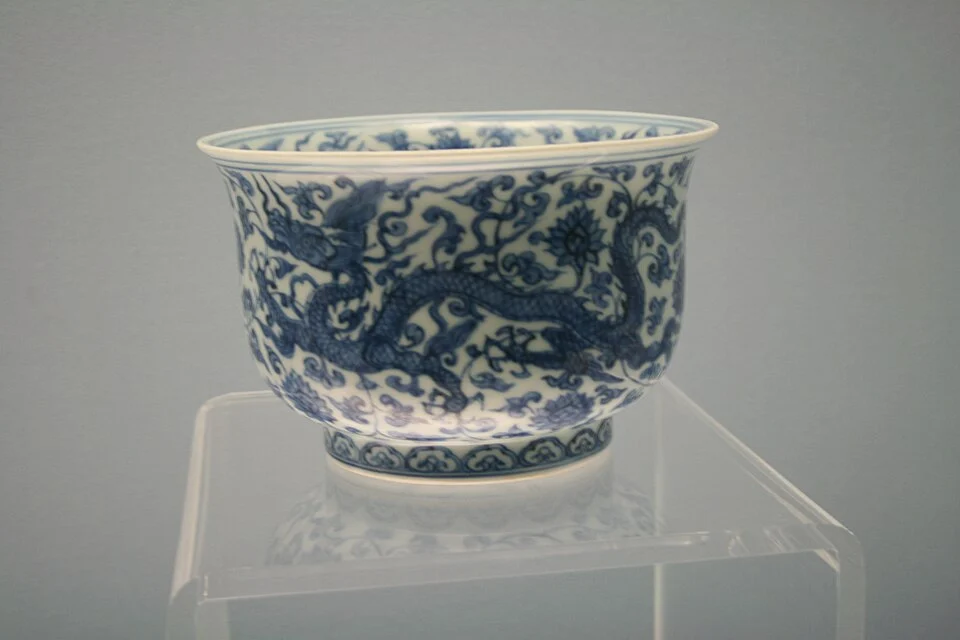
Quanzhou was a major Song-Yuan maritime emporium, associated with Zayton in Arabic and Western historical texts. Its World Heritage property includes administrative, production, transport and religious evidence. Goods had to be made inland and moved over roads and bridges; trade required institutions, and residents needed homes and religious places. These connections explain why a temple or kiln site belongs to a port’s history.
A foreign-looking motif does not establish the influence of an entire civilisation on a whole city. Read particular components, inscription languages and building periods, and ask how objects entered new settings. Items may have been moved, reused or restored; present location need not be original. Excavation, collection and rebuilding information often establishes firmer connections than a broad maritime-silk-road slogan.
On the spot
01
A stone column’s second life
Where to standPermitted viewing areas and interpretation at Kaiyuan Temple.
Quanzhou’s interpretation identifies carved column evidence comparable with South Indian temples of the twelfth to fourteenth centuries. Read how a component and subject are identified, then examine its placement in the Buddhist building. Reuse gives an object a new structural role while retaining earlier imagery; it does not merge the religions into one. Describe stone, relief and installation separately to recognise movement and reinterpretation.
NoticeRead a component’s subject, then ask whether it now serves decoration or structure.
02
Inscriptions record people and time
Where to standQingjing’s open heritage area or museum stone inscriptions.
Arabic, Chinese and other inscriptions can document foundation, repair and people’s activity. Unfamiliar writing is not merely pattern: compare direction, framing and text, then read the institution’s translation. An inscription records something for a purpose; it may establish a repair or a person without representing every foreign resident. Compare inscription and building dates to recognise urban layers.
NoticeChoose a translated inscription and identify the event it records.
03
A ship is a condition of trade
Where to standMaritime-history displays or official digital interpretation.
The Song ship excavated at Houzhu in 1974, with associated finds, gives direct evidence of maritime transport. Distinguish surviving hull, reconstruction and model: they preserve material, explain missing form and show overall structure respectively. Compartments, load and navigation make trade a technical problem rather than arrows on a map. Associated objects connect transport and goods, without turning one ship into a complete record of every route and crew.
NoticeCompare an original object with a reconstruction and identify what has been supplied.
04
Bridges, docks and kilns extend the port
Where to standThe heritage map and one chosen public component.
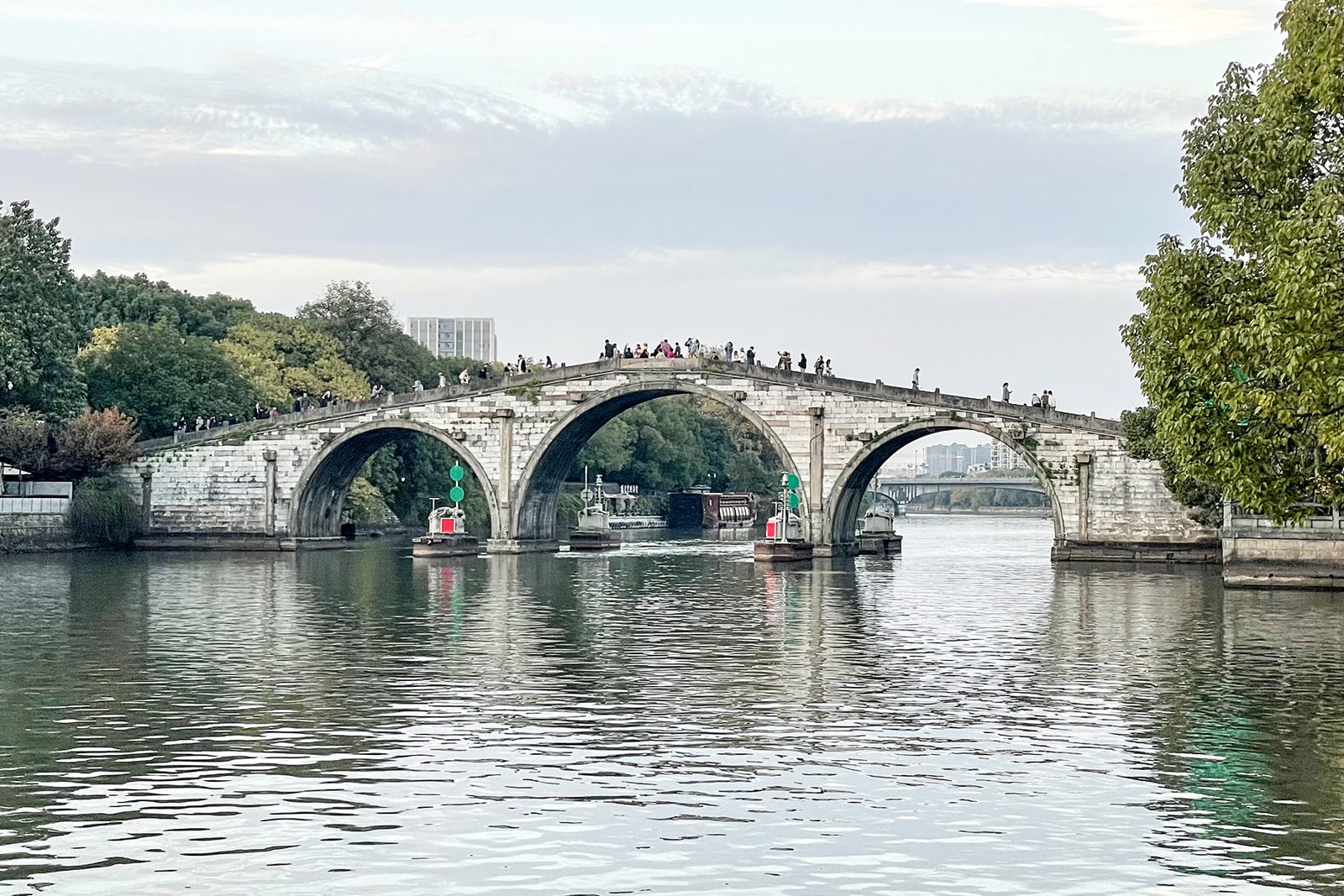
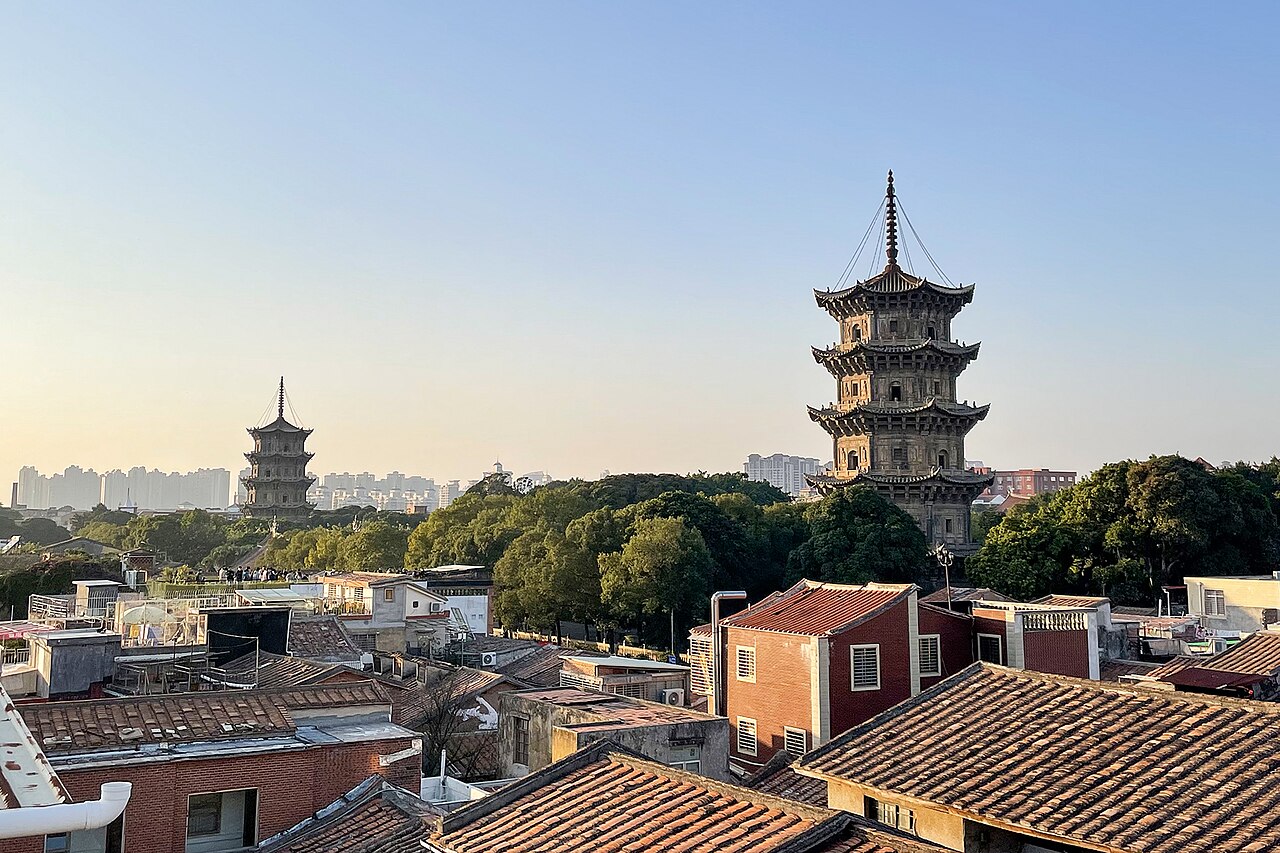
Locate transport, production and religious components on the heritage map and consider the movement among them. The 22 sites are dispersed across the city and wider region, not one walkable checklist. Ask what a chosen site did: crossing, loading, making or organising life. Connect it with Kaiyuan or Qingjing to see how an inland place could participate in maritime trade.
NoticeChoose two components with different functions and explain why they connect.
A thriving port left many kinds of life
World Heritage interpretation brings dispersed remains into a shared framework, but each component retains its chronology, repairs and uses. A city’s openness requires evidence of objects and people rather than a compliment alone. Evidence of coexistence also does not prove an unchanging past without conflict. Material records usually establish only part of the picture.
Begin with two different religious buildings in the old city, then connect them with maritime interpretation. The Maritime Museum’s main campus and the ship display within Kaiyuan are not the same address and may have separate opening arrangements. A careful comparison gives later visits to kilns or bridges meaningful questions instead of collecting every landmark photograph.
Going further
Before you go
Being a good guest
- Do not trace, rub or mark inscriptions and reliefs.
- Leave worship routes clear and do not climb columns or lean on old stone.
- Distinguish originals, replicas and models and avoid flash at cases.
- Follow access boundaries at bridges and docks; do not enter working or unsafe waterfront areas for photographs.