In 30 seconds
- 1
Pingtan moves a story through speech and song; Nanyin unfolds through melody and ensemble. Even without the dialect, follow characters, breathing and the relationships between instruments.
- 2
Find a character switch and note one vocal and one facial change.
- 3
After one sung line, follow the instruments until the voice returns.
A way into the subject
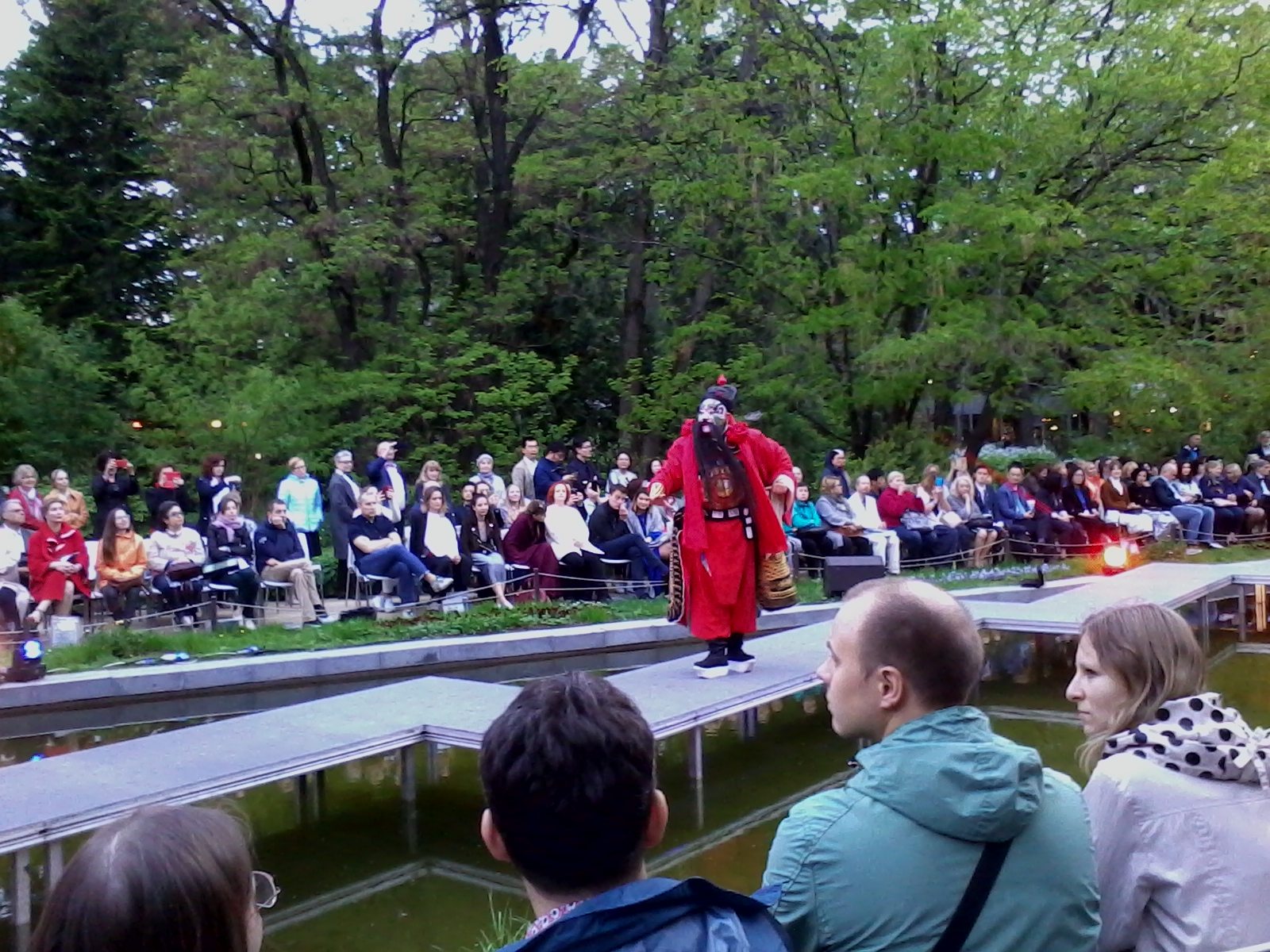
Pingtan is the collective name for Suzhou pinghua and tanci. Pinghua centres on storytelling; tanci combines speech and song, often with sanxian and pipa, though not every programme uses the same combination. Suzhou’s local-history account emphasises narration, humour, playing and singing. A performer can shift character through voice and expression, while a long story unfolds over successive sessions. If travelling visitors hear only a short passage, establish where it falls in the story rather than mistaking suspense for a missing ending.
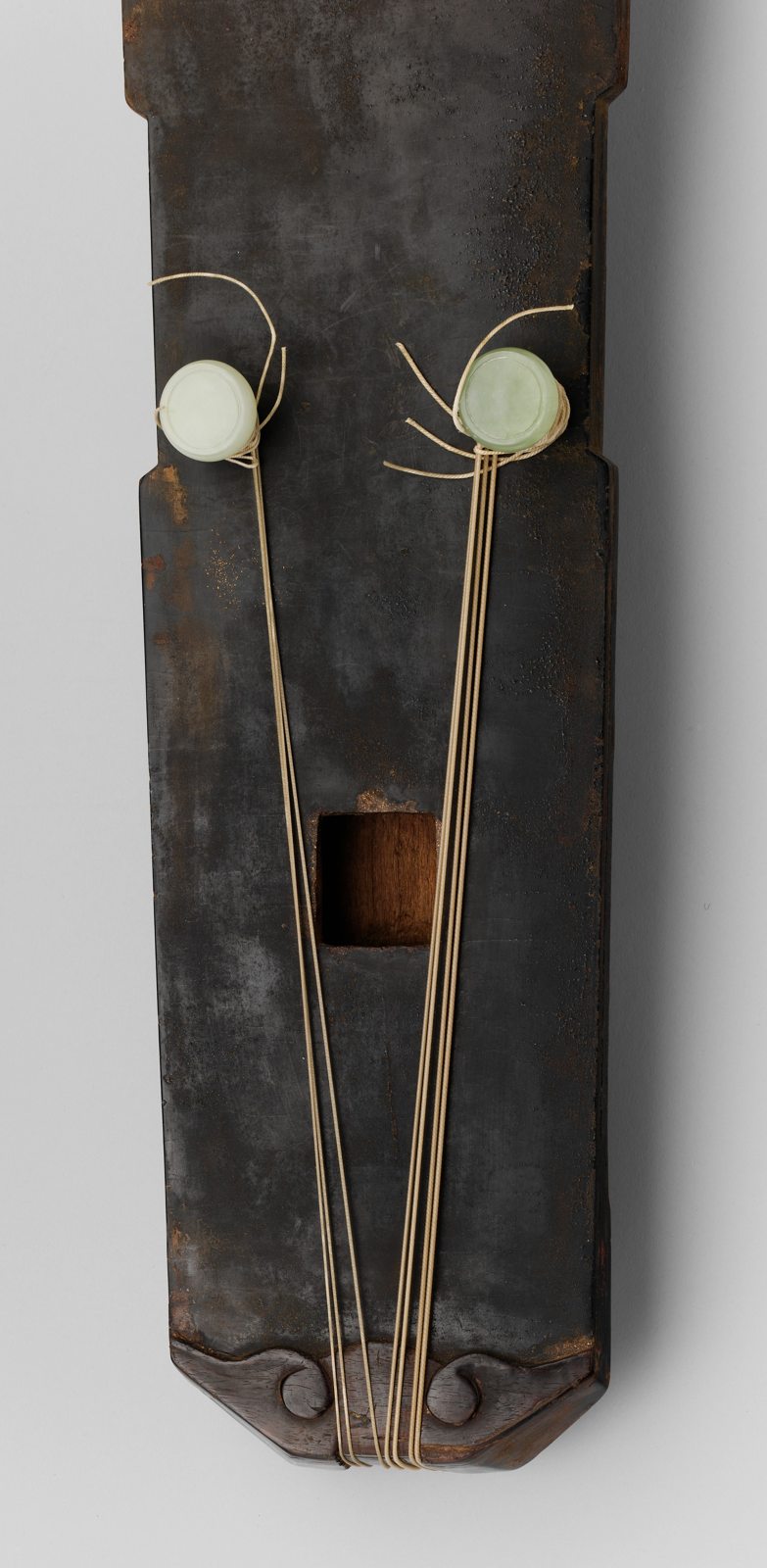
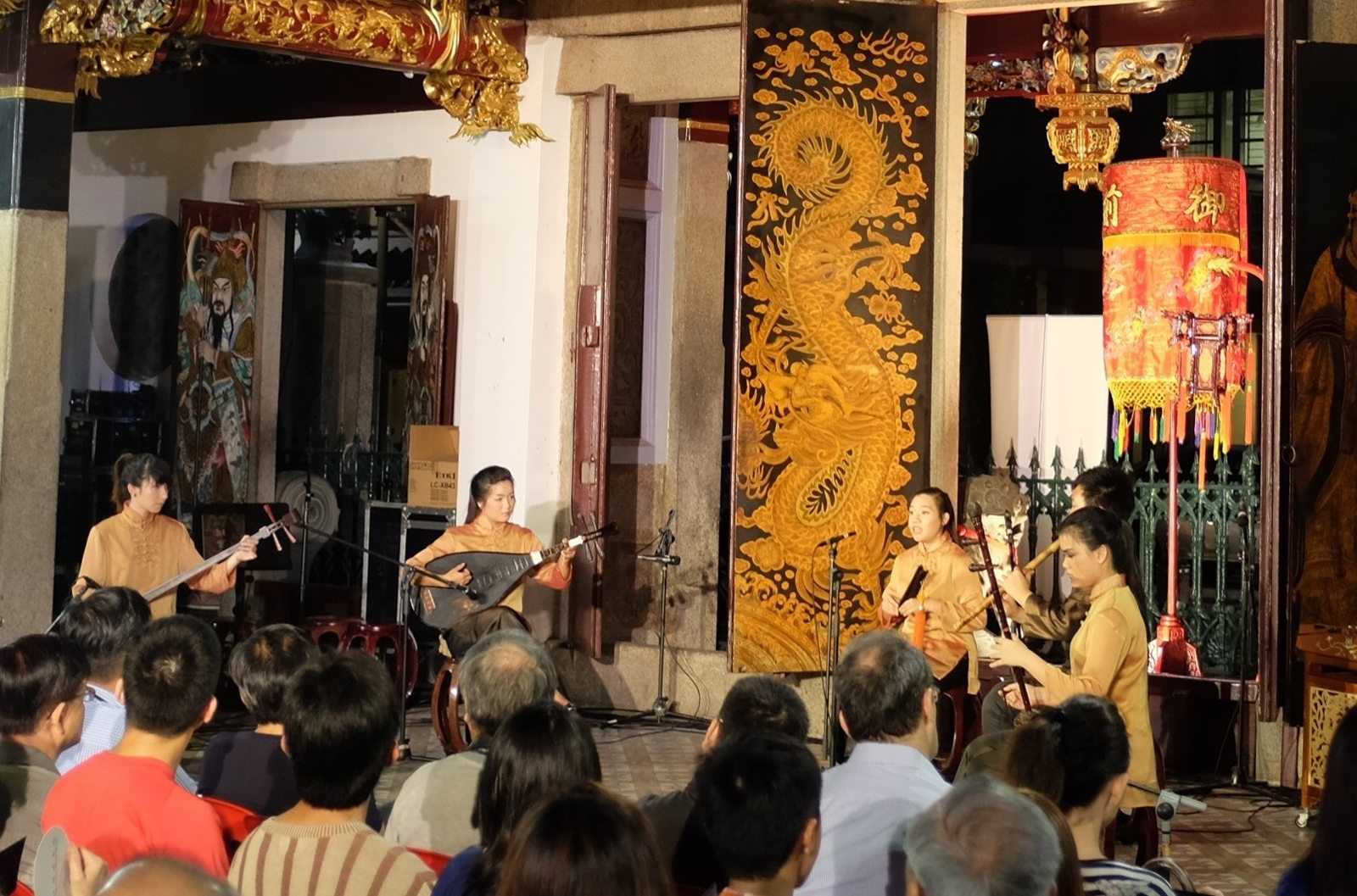
Quanzhou Nanyin is important to Minnan communities and has travelled overseas with migration. Dongxiao, horizontally held pipa and other instruments form a finely balanced ensemble. Some forms are instrumental and others include voices; not every performance is storytelling. Settings range from theatres to community life. Both traditions relate to local language, but Pingtan’s narrative timing differs from Nanyin’s ensemble logic. The useful comparison is not which is “older” but what your ear should follow.
On the spot
01
A sentence becomes a character
Where to standA spoken Pingtan passage.
Notice differences between narrator and character: pitch, pace, expression and direction can signal a switch. Without Wu-language fluency, a synopsis and relationships help more than word-by-word translation. When the room laughs, watch what preceded it; humour can depend on language or character contrasts. Audience laughter is not a test you must pass, since listeners bring different experience.
NoticeFind a character switch and note one vocal and one facial change.
02
Strings answer the voice
Where to standA tanci song and its instrumental links.
Voice and strings need not sound constantly together. Hear whether instruments take over after a line and how a link creates breathing space. Shift your gaze from mouth to hands and compare speaking with singing. A concert song selection has a different proportion and purpose from a long storytelling session; it does not make every Pingtan work a few-minute song.
NoticeAfter one sung line, follow the instruments until the voice returns.
03
In Nanyin, louder is not always clearer
Where to standA Nanyin ensemble passage or official recording.
Flute breath, plucked detail and sustained voice need not have equal volume. Follow one part as it approaches or moves away from others, then return to the whole. Slow pacing makes room for small changes; endings and pauses also carry information. Let an unfamiliar phrase finish before judging it rather than mistaking restraint for a lack of change.
NoticeFollow flute or pipa first, then the full group, noticing what you missed.
04
Dialect carries community memory
Where to standThe introduction, repertoire and audience.
Quanzhou music performed overseas does not lose all community relationships, and Pingtan in broadcasting and modern theatres no longer belongs only to old teahouses. Ask about the piece, ensemble and language rather than asking musicians to explain an entire culture. Other listeners may be regulars or first-timers like you; age and clothing do not establish their identity.
NoticeWhen discussion is welcome, ask the passage’s name and what other parts the complete work contains.
How the tradition reaches the present
Suzhou broadcasting created an “airwaves storytelling hall”; museums, companies and new works continue to change access to Pingtan. Nanyin persists through societies, schools and stages in different regions, with new arrangements distinguishable from traditional forms. Short videos spread a tune quickly but can remove narrative or ensemble context. Find a complete programme or official recording afterwards, giving beginnings, links and endings equal attention to locate the fragment you heard within a larger work.
Going further
Before you go
- Choose a programme
- Use current Pingtan museum/company announcements in Suzhou and named Nanyin programmes in Quanzhou; daily performances are not guaranteed.
- Allow time
- Choose at least one complete performance segment; before booking ask about dialect, subtitles, seats and whether it is instrumental.
Being a good guest
- Silence alerts before the performance and put bright screens away.
- Obtain venue permission to record; a performance in a public place does not give automatic permission to livestream.
- Follow the venue and the room’s rhythm for late entry, leaving and applause.
- Do not touch instruments, costumes or props; save questions for discussion time.