In 30 seconds
- 1
Look separately at melody, language, gesture and performance setting to hear differences between regional theatres.
- 2
Choose one subtitle and hear which word receives the longest attention.
- 3
Follow one hand until its action ends, then recall the corresponding line.
A way into the subject
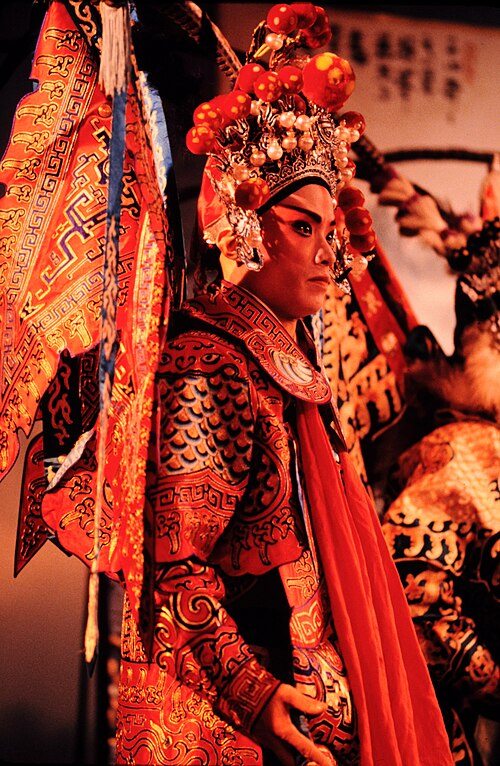
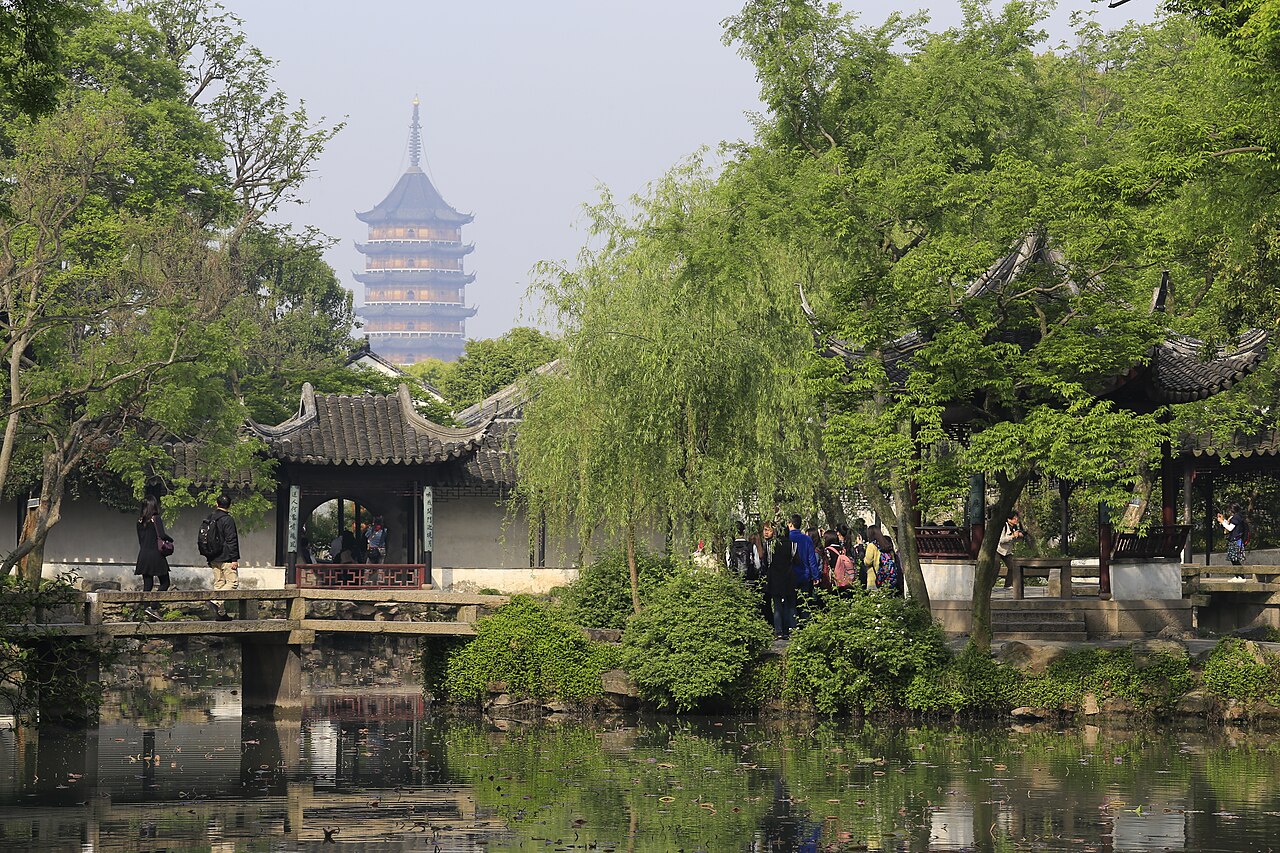
Kunqu developed in Kunshan in the Suzhou region, with Ming-period musical refinement and playwriting creating an influential theatrical tradition. The Peony Pavilion and The Palace of Eternal Life are important starting points. Singing, speech and dance, with coordinated hands, eyes, body and steps, build the narrative; flute, drums, clappers and gongs work with emotions and movements. A gentle melody alone does not identify a genre: the programme, company and work do. Kunqu also includes tense, comic and martial scenes, rather than only elegant slow movement.
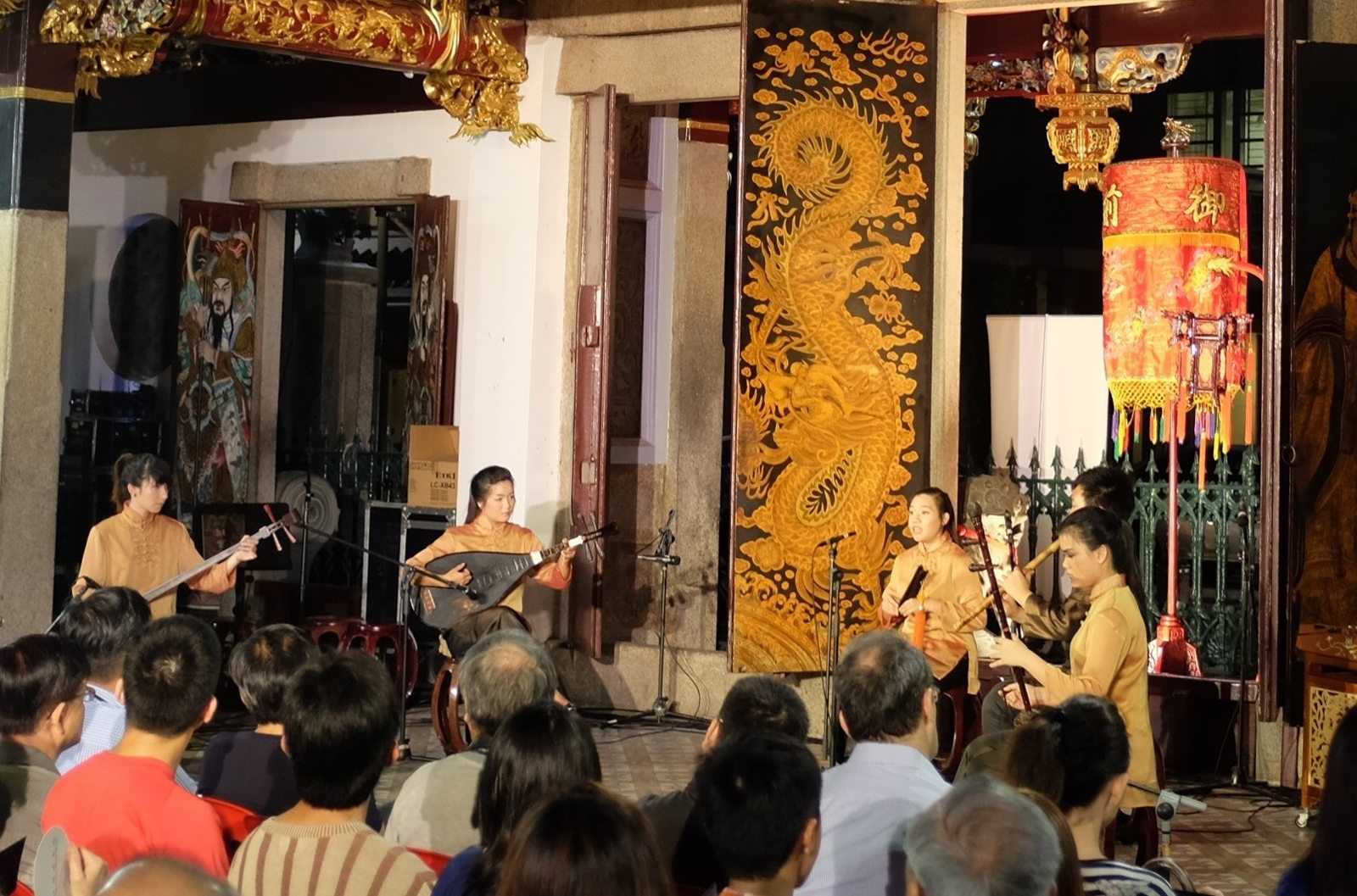
Cantonese opera uses Cantonese as a major medium and connects Guangdong, Guangxi, Hong Kong, Macao and overseas Cantonese communities. It combines singing, speech, movement, martial skills, strings, percussion, costume and makeup, with historical and everyday stories. Guangzhou’s Cantonese Opera Art Museum offers a way to relate stage practice, costume and local society. Kunqu and Cantonese opera share theatrical experience but cannot be sorted simply into north versus south or fast versus slow. Performers, works, schools, venue and audience shape the particular show.
On the spot
01
Hear the language before the translation
Where to standWhen speech alternates with singing.
Subtitles give meaning but cannot replace linguistic colour and inflection. Hear the end of a sentence and the way a syllable enters melody; watch whom the actor addresses. In an unfamiliar language, follow relationships and emotional shifts, using a synopsis for context. Unfamiliar words do not mean there is no narrative, and Kunqu stage language should not be equated simply with present-day street Suzhou speech.
NoticeChoose one subtitle and hear which word receives the longest attention.
02
Gesture belongs to the sentence
Where to standA passage with sleeves, a fan or hand gestures.
Watch voice and action unfold: does the hand rise before the word, and does a turn begin or end a line? Fans and sleeves are more than decoration; direction, speed and pauses express relationships and feeling. The same prop works differently in different scenes, so not every sleeve movement signals the same emotion. The apparent ease comes from coordinating body and melody.
NoticeFollow one hand until its action ends, then recall the corresponding line.
03
Musicians and actors respond
Where to standA transition from singing to movement or speech.
The ensemble is not merely a fixed soundtrack. Notice an extended vocal line, a percussion close and a pose linking together; hear when flute or strings become prominent or retreat for speech. Museum instruments help identify shapes, while performance reveals function. Naming an instrument and understanding its role in this scene are different achievements.
NoticeFind a shared stop by actor and ensemble and consider what the pause accomplishes.
04
Where a performance belongs
Where to standThe programme and audience space.
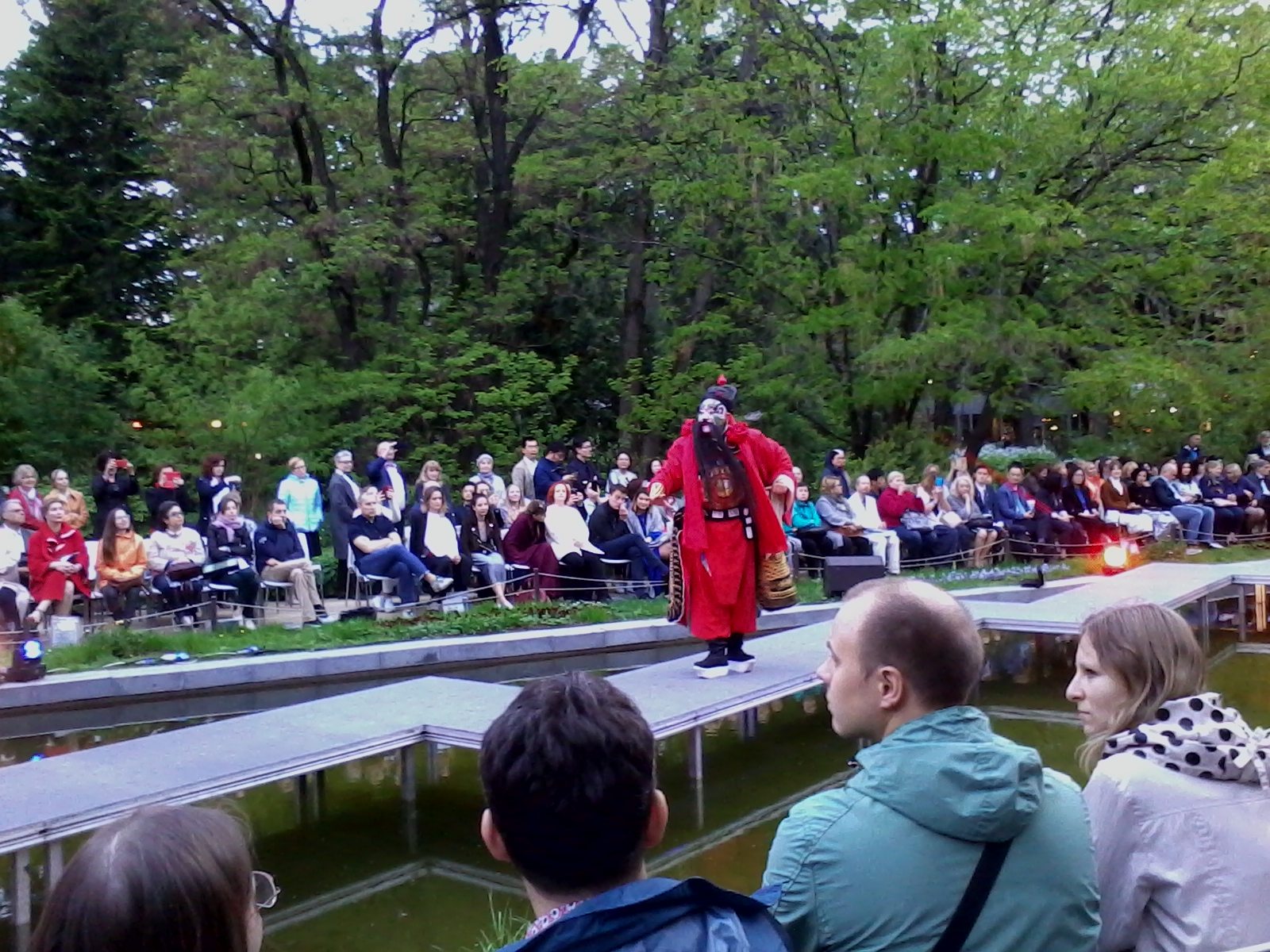
A theatre production, museum demonstration, festival stage and short excerpt have different purposes. Some community Cantonese performances have ceremonial contexts; not every stage is a tourist photo opportunity. Kunqu in a garden does not guarantee the same viewing conditions as a historical audience. Establish whether you are attending a demonstration, excerpt or complete work to understand how much of the narrative is present.
NoticeNote company, play and excerpt title, then find another version of the same passage.
How the tradition reaches the present
Transmission includes tunes, gestures and training, as well as new stories, surtitles, education and modern theatres. Overseas Cantonese communities connect with mainland productions while serving their own audiences; a Kunqu excerpt also changes in different performers’ hands. Identify work and version before comparing, rather than making one show’s speed or costume a verdict on an entire genre. Follow the turn or sung line that stayed with you instead of trying to cover every regional theatre at once.
Going further
Before you go
- Programme choice
- The Peony Pavilion is a major Kunqu work. Check whether a listing offers excerpts or a longer production; the event and seat determine price.
- Choosing a show
- Book from current theatre or company programmes in Suzhou, Kunshan or Guangzhou; check genre, duration and subtitles. Museum entry does not guarantee a performance.
Being a good guest
- Silence alerts before the performance and put bright screens away.
- Obtain venue permission to record; a performance in a public place does not give automatic permission to livestream.
- Follow the venue and the room’s rhythm for late entry, leaving and applause.
- Do not touch instruments, costumes or props; save questions for discussion time.