In 30 seconds
- 1
You need not understand every sung word. Follow roles, props, percussion and pauses, and the performance begins to open up.
- 2
Write three characters and their relationships before the show, then confirm one through an action.
- 3
Find a moment when entering, leaving or opening a door is shown without a real door.
A way into the subject
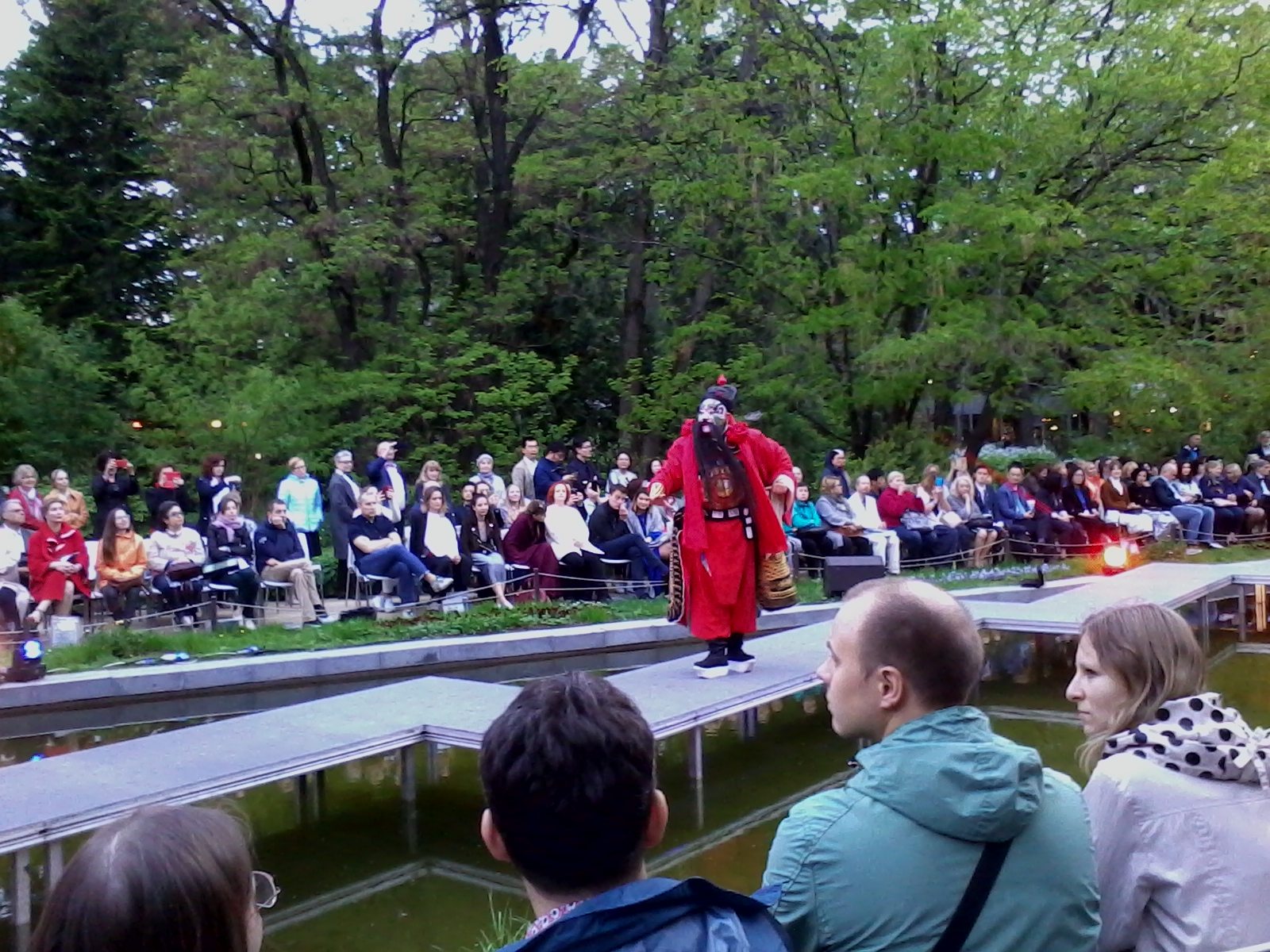
Peking opera organises singing, speech, movement and martial action within one theatrical grammar. Chang, nian, zuo and da name skills built through long training; a seemingly effortless turn can coordinate gaze, hands, feet and percussion. The stage need not provide a literal room or mountain road: actions let the audience understand a door, horse or journey. For a first visit, learning the characters and the immediate situation is more useful than memorising every term.
Sheng, dan, jing and chou offer an entry into role types, but a face colour alone cannot explain a whole character. Role types involve voice, posture, costume and training, and individual roles can exceed simple charts. Peking opera took shape in the nineteenth century, drawing on regional theatres, and continues through schools, apprenticeship and theatre performance. A listing naming both genre and play makes preparation easier than an unspecified tourist “national essence” show. Excerpts have their own performance logic, while presenting only part of a longer drama.
On the spot
01
Characters before face colours
Where to standThe programme before the curtain rises.
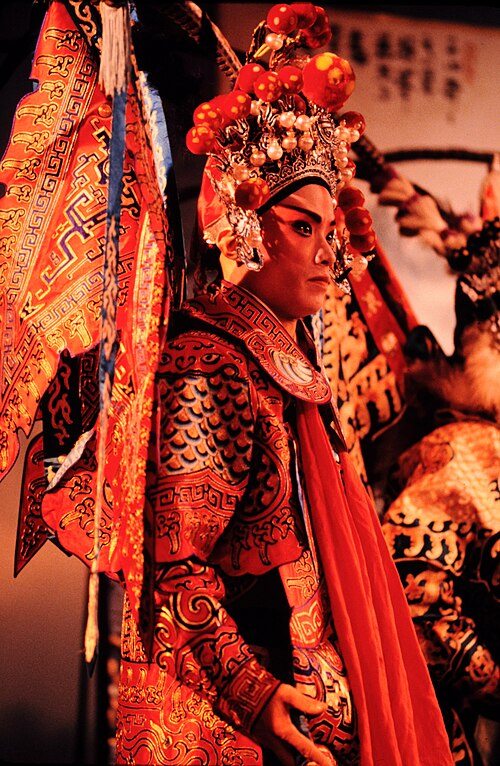
First establish relationships: parent and child, ruler and official, lovers or opponents. Watch a first entrance, the stance and first words; identical clothing colours do not guarantee identical status. Elaborate costume makes identity and movement legible at a distance. When voice or posture changes, ask whether an emotion has changed rather than imposing a permanent label.
NoticeWrite three characters and their relationships before the show, then confirm one through an action.
02
One prop opens a space
Where to standWhen a prop appears or an actor crosses the stage.
A whip can suggest riding and an oar can combine with movement to suggest a boat, but the scene supplies the context. Watch how feet, arms and gaze establish an environment without literal scenery. Few props do not mean little information: the same stage can become a road, room or battlefield through performance and audience imagination.
NoticeFind a moment when entering, leaving or opening a door is shown without a real door.
03
Percussion is more than accompaniment
Where to standA pose or sudden stop.
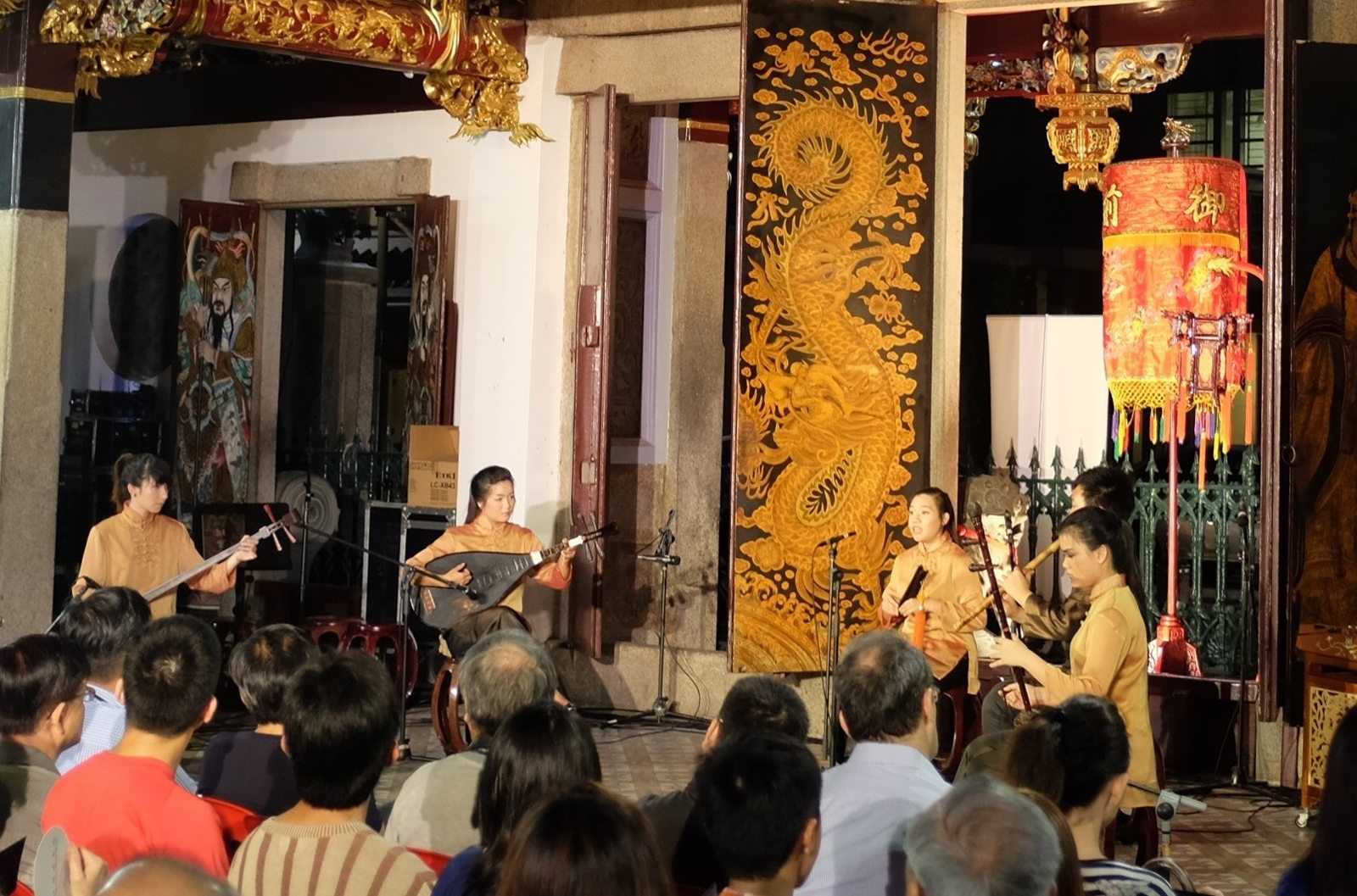
Percussion divides movement and marks tension, turns and endings. If the sound initially feels dense, notice when body and sound stop together and what gaze or pose becomes prominent. Melodic strings and percussion perform different tasks. You need not name every instrument at once: hear how they support singing and propel action.
NoticeChoose one movement and remember the sound at its beginning and end.
04
Singing changes the speed of time
Where to standAn expressive or hesitant passage.
Speech can advance events quickly while a sung passage stays inside an emotion. You may finish reading the subtitle while the voice continues: use that time for breath, force, melody and movement rather than waiting for the “real plot”. One falling sleeve or the close of one syllable can explain why audiences return to the same scene.
NoticeAfter understanding one subtitle, look back at the actor and listen to how the line ends.
How the tradition reaches the present
Lighting, surtitles, acoustics and new plays change the viewing conditions, without making every production identical. A classic can have different performers, schools and staging; a tourist excerpt, full play and concert presentation are not interchangeable. Afterwards revisit a passage in an official recording and compare how movement and live distance affected it. A useful first visit gives you a voice or role to follow next time, rather than a claim that you now understand all Peking opera.
Going further
Before you go
- Choosing a Beijing performance
- NCPA, 2 West Chang’an Avenue, Xicheng, Beijing; book a named production. Performance tickets and building-visit tickets are different.
- Language and seats
- Before booking, confirm subtitle language, excerpts or full-length work, running time and interval; English subtitles are not universal.
Being a good guest
- Silence alerts before the performance and put bright screens away.
- Obtain venue permission to record; a performance in a public place does not give automatic permission to livestream.
- Follow the venue and the room’s rhythm for late entry, leaving and applause.
- Do not touch instruments, costumes or props; save questions for discussion time.