In 30 seconds
- 1
Duanwu falls on the fifth day of the fifth lunar month; commemorated figures and activities vary locally.
- 2
Rice parcels, plants and boats bring the festival to tables, doorways and waterways.
- 3
A museum boat reveals construction; activity on water also reveals organisation and cooperation.
More than one origin story
Duanwu brings together remembrance, wishes for well-being, food and collective activity. Qu Yuan’s story is widely known but does not account for every local tradition. UNESCO’s description also notes differing commemorated figures, plants, coloured threads, foods and performance. Treating the festival as an encounter of practices avoids forcing them into one origin story or reducing community boating to competitive sport.
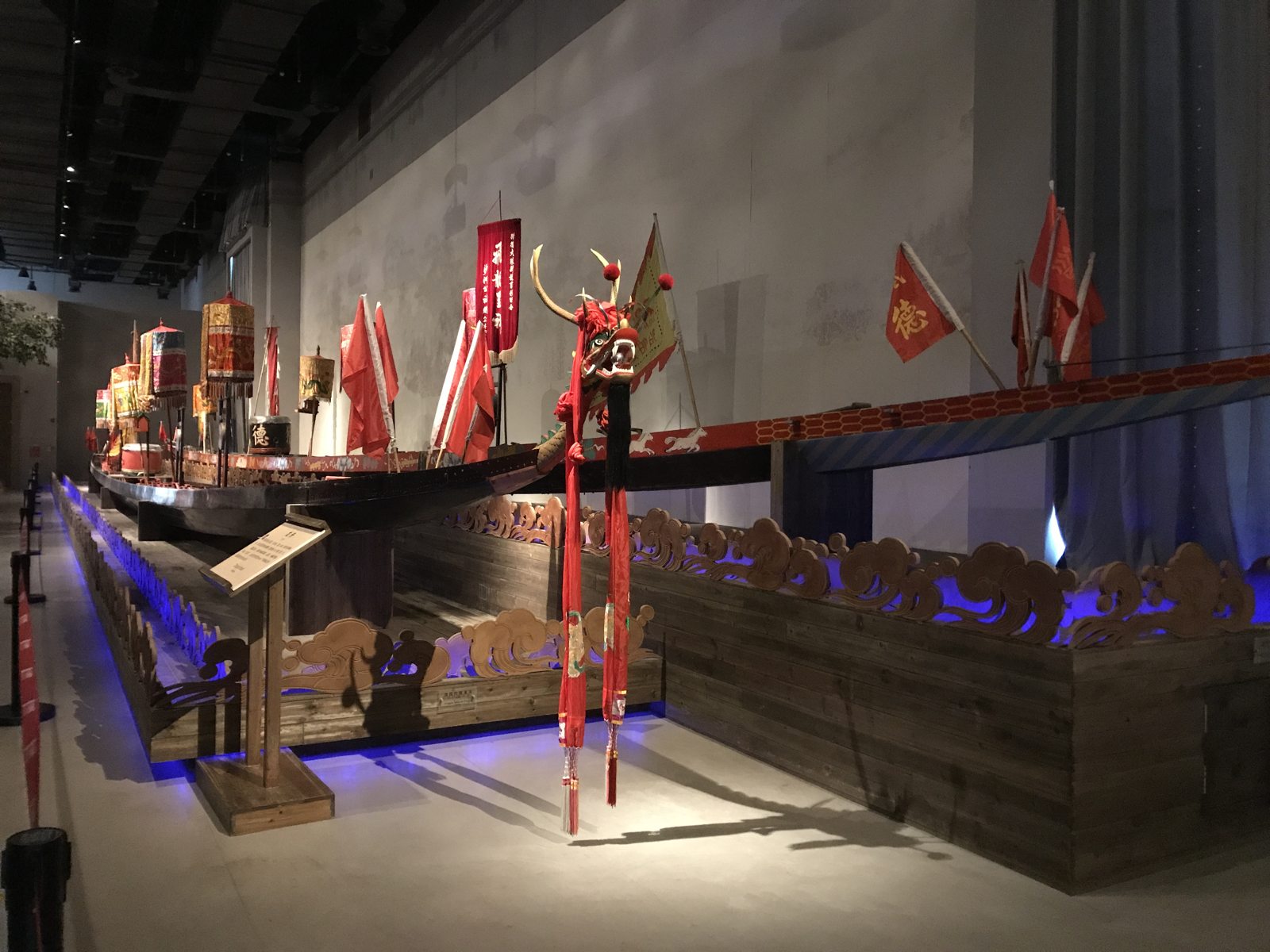
Guangzhou and the Pearl River region offer a specific setting for dragon boat culture. A boat needs collective propulsion and can represent a team or community. Guangdong Museum has displayed boats; the photograph records a 2017 display, useful for form and seating but not a promise of its current position. Use museum interpretation to understand the object, then current organiser information to choose a public event.
On the spot
01
A leaf wraps a local taste
Where to standRice-parcel labels in a food shop, or a meal by invitation.
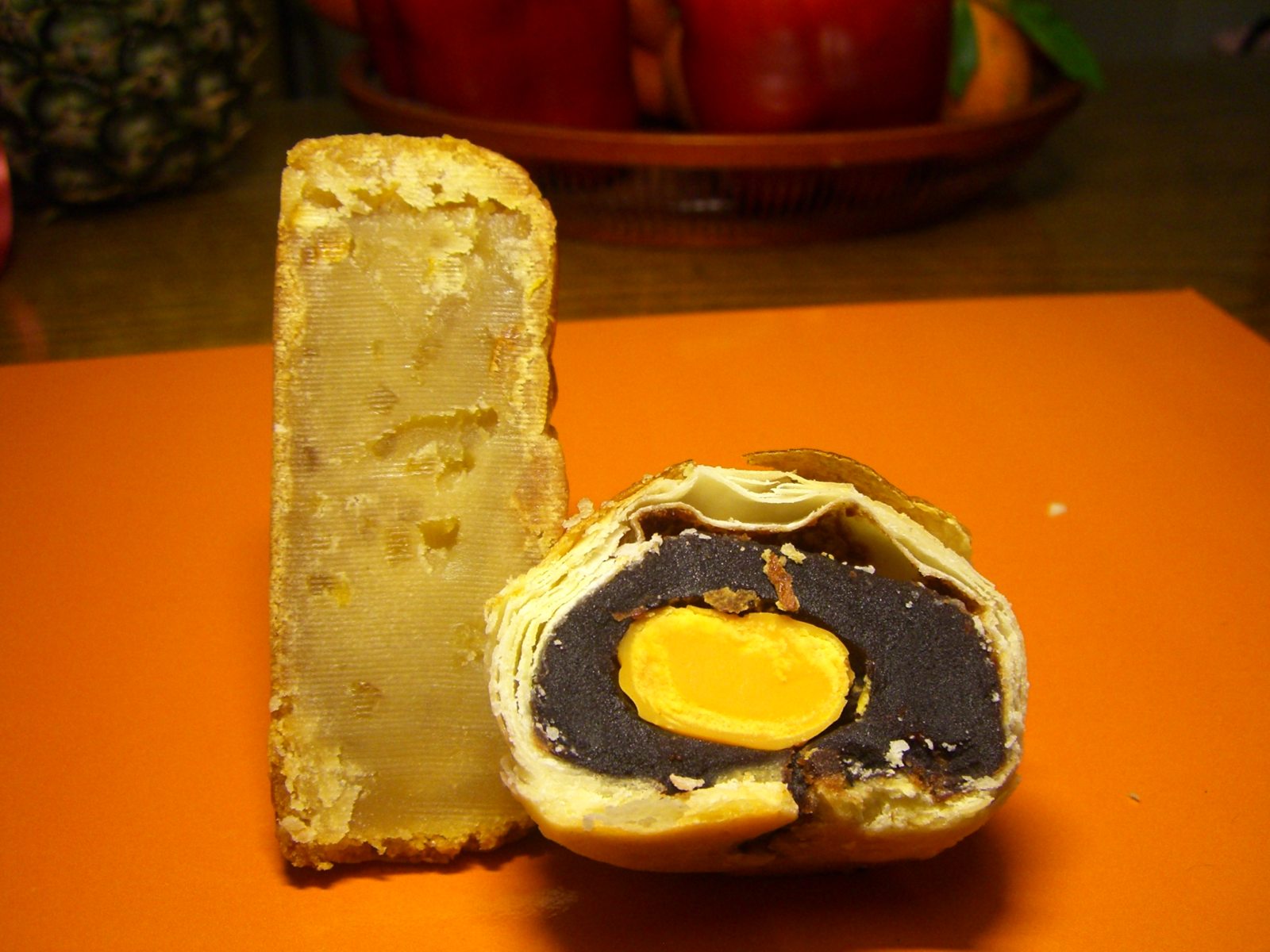
Examine wrapping, size and ingredients, then ask about sweet or savoury filling, refrigeration and reheating. Festive food also circulates as an everyday product, with differing household and commercial recipes. Soaking, seasoning, folding and tying make the parcel a transmitted skill. Why someone likes their family’s version is more revealing than deciding a winner in a sweet-versus-savoury debate.
NoticeChoose one parcel, identify the filling and inspect the leaf pattern and rice after unwrapping.
02
Look beyond the dragon head
Where to standOutside an exhibition barrier or a public boat viewing area.
The dragon head attracts attention, but a long hull and seating arrangement organise collective paddling. Follow the hull and compare paddlers’ positions with drum and steering positions. A label should identify a full boat, model or replica. Decoration expresses identity while structure carries movement. Neither community affiliation, age nor race category can safely be read from the head alone.
NoticeIdentify hull, paddling positions and steering in a boat or photograph and imagine their cooperation.
03
The drum is part of coordination
Where to standA managed public viewing area.
Listen to rhythm before watching whether blades enter the water together. Collective force depends on timing; the drum makes coordination audible. Clothing, flags and decoration mark identity, while bodies turn it into movement. Formal races have rules and courses; community visits may have different protocols. Not every boating activity is the same sort of race, and a dramatic viewpoint never justifies entering a staff area.
NoticeWatch a full stroke cycle and connect drum, forward movement and blade entry.
04
Plants bring the season to a doorway
Where to standDoor decorations visible from the street or a folklore display.
Mugwort, calamus and coloured threads can express wishes for safety and care. They bring the festival to bodies and homes as well as rivers. Distinguish a household practice from a display’s explanation: a bunch at a doorway has a particular meaning for its users. A traditional wish is not a medical claim, and a visitor need not try every drink or plant to understand it.
NoticeFind a practice concerning a doorway or the body and compare its role with boating.
Sport and community practice can coexist
Dragon boating now brings together international participants and local communities. Training, racing, festival observance and tourism connect but have different aims. Athletic coordination does not erase local memory, nor does a community boat need international competition rules to matter. Read the activity’s name and organiser to understand the occasion.
The lunar date shifts within the Gregorian calendar, and races, processions and community activity need not occur together. Museums can explain objects outside festival season, while food offers another way in. Connecting one carefully examined object with one understood activity is more rewarding than trying to collect every custom.
Going further
Before you go
Being a good guest
- Remain inside managed viewing areas and behind riverside barriers; do not board boats casually.
- Do not touch or step over a head, drum or hull; decorations belong to the team too.
- Ask before photographing a team’s rituals and avoid disruptive close-range flash.
- Check ingredients when buying food; follow the host’s allocation of tasks when invited to wrap parcels.