In 30 seconds
- 1
Music on seven strings extends beyond the moment of plucking. Hear open, stopped and harmonic tones, slides, resonance and the spaces between phrases.
- 2
Compare front and back in collection images, choosing a detail visible on each.
- 3
In a demonstration, find a released string, a pressed string and a lightly touched string.
A way into the subject
The guqin is a seven-string plucked instrument without the movable bridges in a row found on a guzheng; thirteen markers indicate harmonic positions. It has long associations with study, painting and self-cultivation, but present-day players are not confined to historical scholar identities. Open tones use unpressed strings, stopped tones use the left hand, and harmonics involve light contact at particular positions. Learn these broad differences by ear before tackling complex technique. Quietness is not the only character of guqin music: speed, force, pacing and interpretation vary.
The Palace Museum’s Dasheng Yiyin qin has a documented history of transmission and repair: inscriptions and lacquer help reveal an instrument as a historical object. Its Qiuhong illustrated score joins images and notation, connecting music, text and picture. Jianzipu principally records finger actions, strings and positions rather than automatically determining every duration as a modern score might; turning it into sound requires interpretation and practice. Separate a collection visit from listening: a case reveals form, while performance reveals how sound happens.
On the spot
01
Recognise the instrument
Where to standA whole-object image or before the performance.
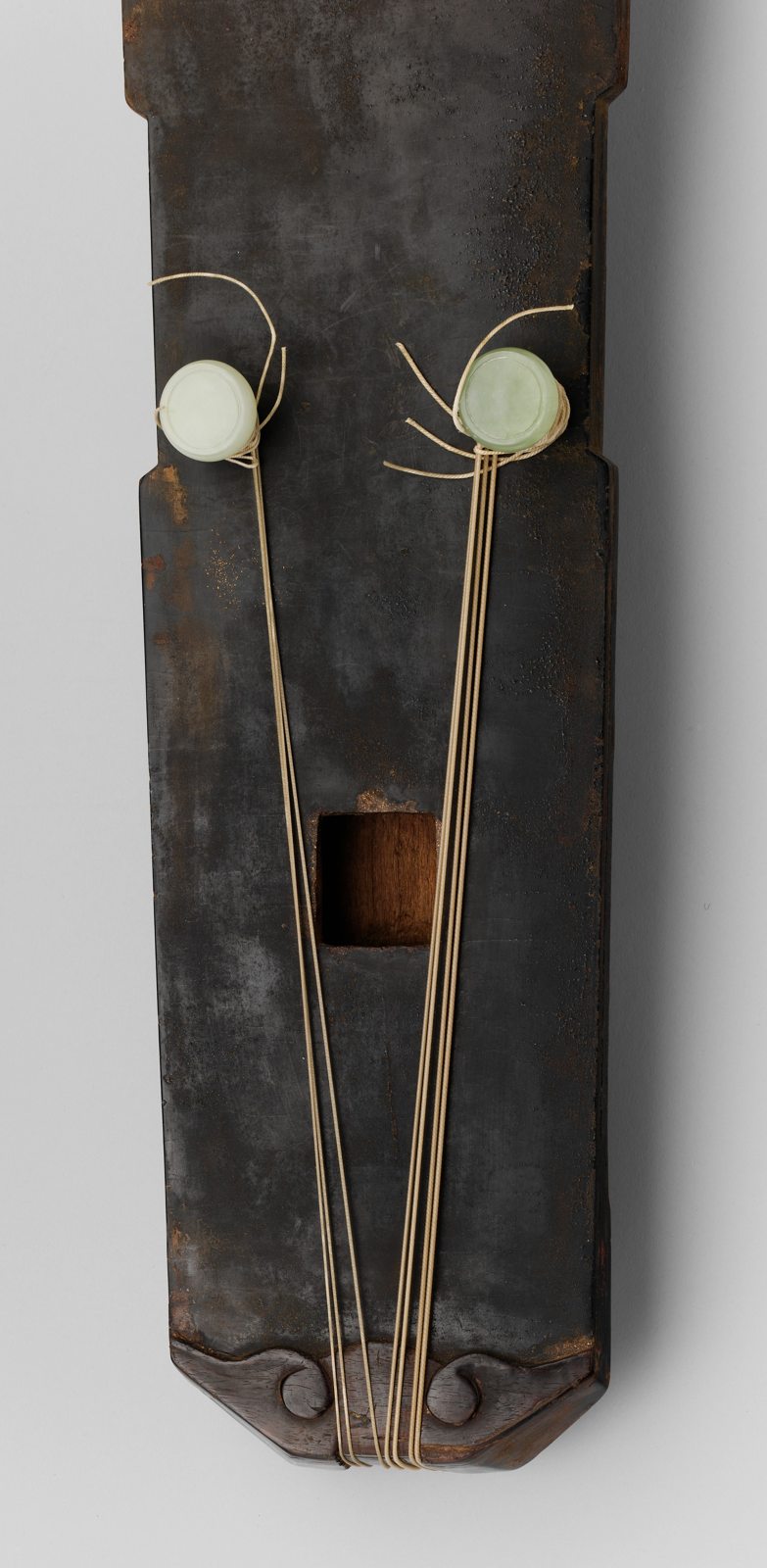
Count strings and look for markers rather than calling every long horizontal zither a guqin. The back, with sound openings and inscriptions, is another worthwhile view. Lacquer cracks alone do not supply an exact date; identification also requires materials, form, inscriptions and provenance. For a visitor, learning the name and record of one instrument is more useful than attempting an appraisal from appearance.
NoticeCompare front and back in collection images, choosing a detail visible on each.
02
Hear three kinds of tone
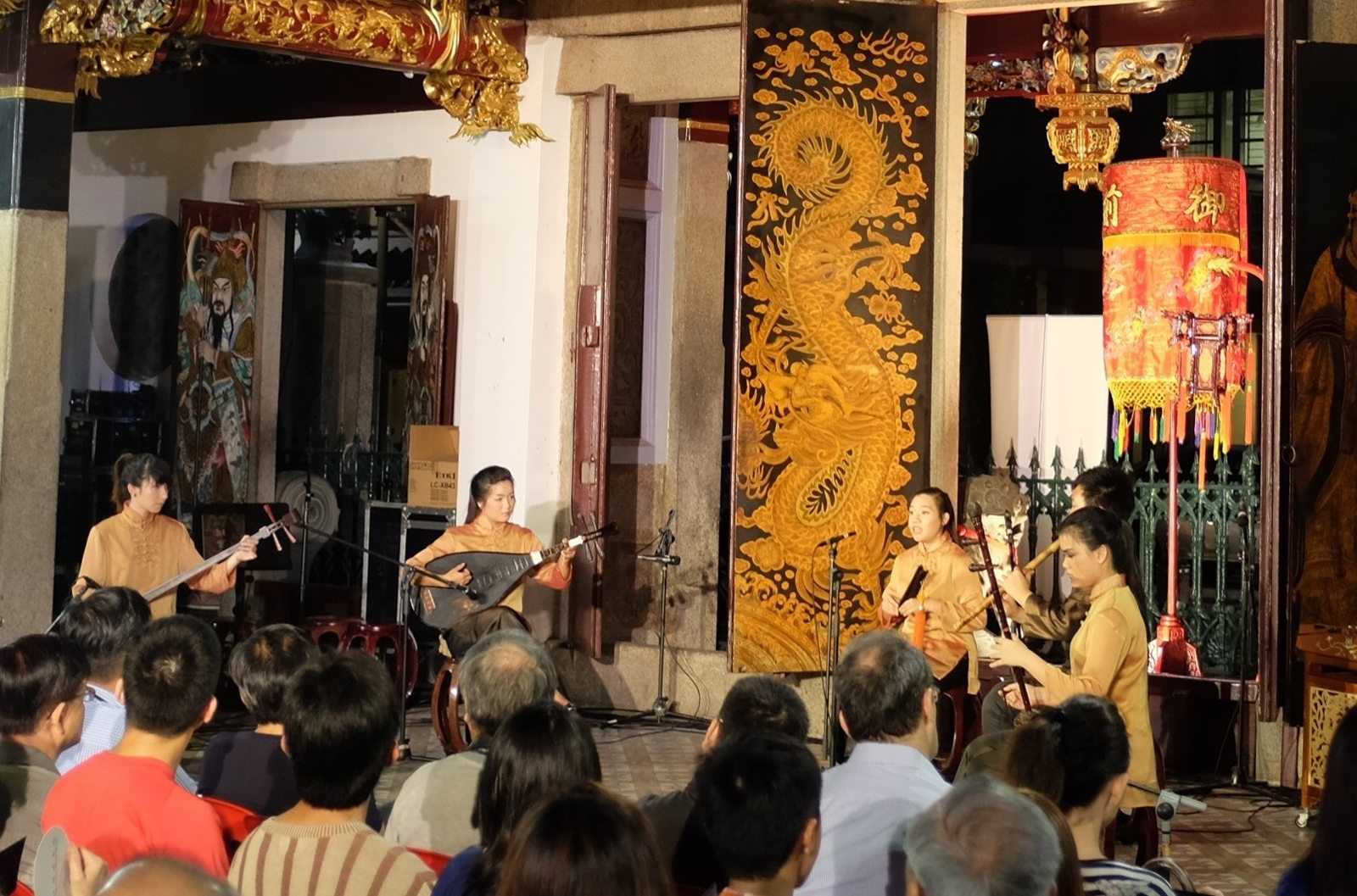
Where to standA seat or demonstration showing both hands.
With the right hand plucking, pressing or lightly touching with the left changes pitch and timbre. Open tones make a direct string sound, harmonics can be light and clear, and stopped tones can connect with slides and oscillations; the result depends on instrument, strings and player. These categories are musical materials, not a ranking of value.
NoticeIn a demonstration, find a released string, a pressed string and a lightly touched string.
03
The fading sound belongs to the piece
Where to standAfter a pluck.
The right hand may stop while the left continues moving and pitch or resonance changes. Bag rustling and photography can obscure those details. A quiet room helps reveal an instrument’s actual volume rather than making the tradition mystical. Recording amplification and live distance create different experiences; loudness is not a measure of playing quality.
NoticeAfter one pluck, follow its resonance until you can no longer distinguish it.
04
Notation requires interpretation
Where to standAn official score image and a recording of the work.
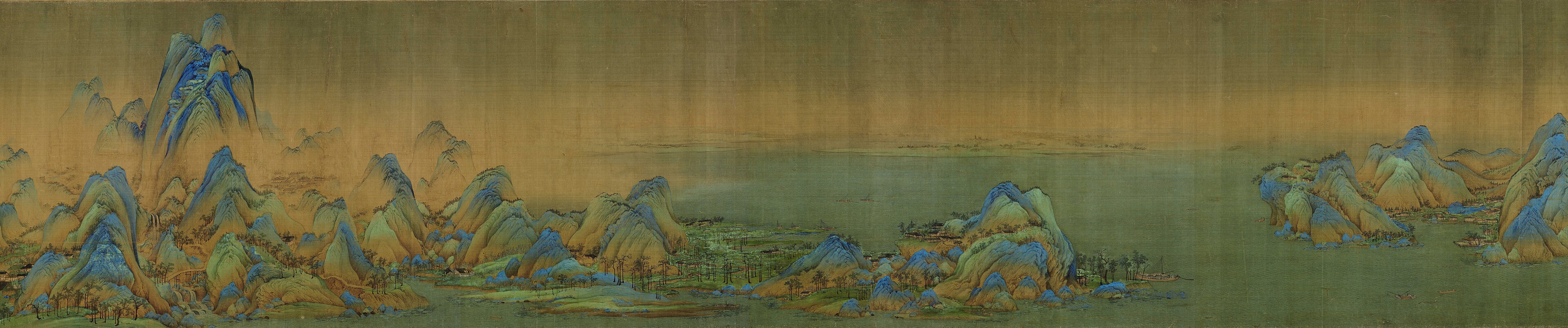
Composite notation contains playing instructions; even without reading it, compare its layout with prose. Landscape images in an illustrated score can prompt associations, without proving that every note depicts a particular bird or mountain. Different handling of pauses, speed and ornament produces different versions. Before comparing a titled piece, confirm the passage and arrangement.
NoticeHear a short passage without its title, then again with title and introduction.
How the tradition reaches the present
Historical instruments have been repaired, restrung, collected and displayed. Steel-nylon strings, amplification, modern theatres and online teaching create further conditions today; these changes need not be labelled either lost tradition or perfect preservation. Lessons and concerts serve different purposes: a brief introduction can teach posture and one tone, not promise mastery of a complex work. Choose a complete piece, note performer and version, and compare a pause in another interpretation rather than using it only as soothing background.
Going further
Before you go
- Performance format
- Before booking, identify a solo recital, ensemble or demonstration; repertoire, amplification and subtitles depend on the named programme.
Being a good guest
- Silence alerts before the performance and put bright screens away.
- Obtain venue permission to record; a performance in a public place does not give automatic permission to livestream.
- Follow the venue and the room’s rhythm for late entry, leaving and applause.
- Do not touch instruments, costumes or props; save questions for discussion time.