In 30 seconds
- 1
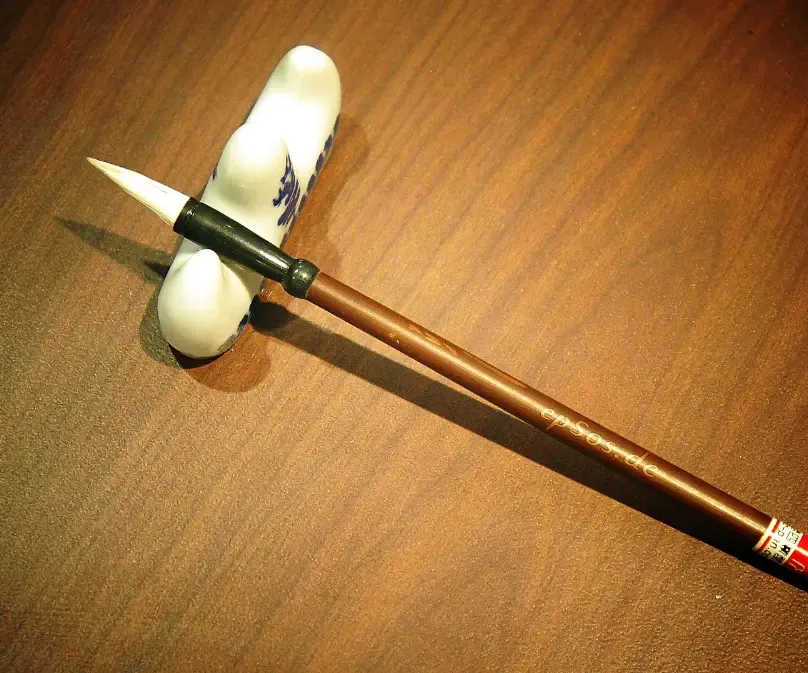
Width, turns and dry or wet texture record changing brushwork.
- 2
Spaces inside characters and between lines are part of the composition.
- 3
Copies, carved inscriptions and rubbings carry different evidence.
Writing as a trace of movement
Calligraphy begins with writing, yet looking need not start with a full translation. A brush tip gathers, spreads and turns, while paper, ink and moisture affect a stroke’s edge and tone. Regular, running and cursive scripts organise structure and continuity differently; they are not positions on a simple ladder of increasing excellence. Choose two styles, compare line and space, then use a transcription to learn what the text says.
The Palace Museum’s well-known Lanting preface is catalogued as a copy, illustrating how valued writing survives through reproduction. Beilin preserves many texts in stone. Moving from brushwork to engraving and then rubbing changes both material and making. Identify whether you are seeing a stone, a rubbing or an image reproduction before drawing conclusions from black and white surfaces. Those distinctions are more informative than calling every historical inscription a master’s autograph.
On the spot
01
Follow one stroke
Where to standA high-resolution ink image or a clearly visible stone surface.
Follow a long horizontal or curved stroke from one end to the other. Widening may reflect a spreading tip, narrowing a lift, and a turn a new coordination of direction and pressure. Do not infer speed from one streak of white alone: paper and ink also affect the mark. A carved version translates these changes through an engraver’s work and may preserve shape rather than the original ink tone. Begin with observable descriptions before applying grand terms such as energy or spirit.
NoticeDescribe three changes along one stroke in a digital close-up.
02
Read the spaces inside a character
Where to standRegular and running scripts accompanied by a transcription.
A character may occupy a roughly square field while relying on very unequal internal spaces. A dense side and an open side can establish balance and movement rather than indicate a mistake. Shift attention from black lines to the gaps, then compare neighbouring characters. Readers of Chinese may rush to meaning; non-readers can begin with structure. Both should return to the whole work before judging a long scroll from one isolated detail.
NoticeCompare the widest and narrowest gaps in two neighbouring characters.
03
Step back to read a page
Where to standA screen or case showing a complete scroll or hanging work.
Many vertical works proceed in columns from right to left; later inscriptions and seals can add further layers. First compare column width, spacing and density in the main text. Where does it compress, and where does a longer line lead the eye onward? Cursive writing can connect characters without becoming arbitrary scribble: conventions and brush control remain. Imagine a passage of sound, organised by pauses and continuation. You can recognise that rhythm before decoding every word.
NoticeLook at the whole for thirty seconds, then inspect one column.
04
Masters, copies and later viewers
Where to standThe label’s attribution, date, material and inscription details.
The transmission history asks several different questions: who composed the original, who copied it, and who collected or commented on the surviving object? A red seal may mark ownership or appreciation, but does not alone establish a date. For an inscription, distinguish the event described, the carving and later rubbings. Separating these roles turns the object from a single genius’s isolated act into a history of preservation, interpretation and renewed use.
NoticeFind a label naming a copy or rubbing and identify the process involved.
New ways of seeing writing
Digital images allow close inspection, while water-writing, shop signs and contemporary practice return expressive lettering to daily life. A screen changes scale, printing may alter tone and water marks disappear. Note the medium: the same character does different work in different settings. In a lesson, practise controlling one stroke before attempting a short phrase. The useful result is a more observant eye for your next encounter, rather than a premature claim to have mastered the art.
Going further
Before you go
Being a good guest
- Do not touch or make rubbings of stones, regardless of existing wear.
- Follow the no-flash rule and do not write against display cases.
- Ask before watching someone practise closely; do not interrupt a stroke.
- Describe a copy as a copy and sign your own practice honestly.