In 30 seconds
- 1
Fermentation transforms ingredients; alcohol strength does not rank technical complexity.
- 2
Huangjiu is brewed, and differs from distilled baijiu.
- 3
Read machinery and process first; tasting can remain optional.
How grain is transformed
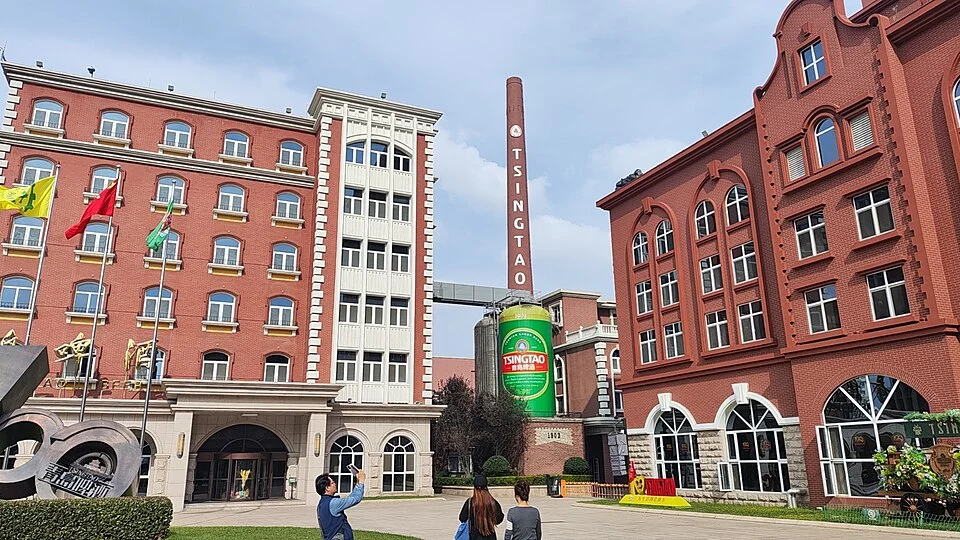
The Tsingtao Brewery Museum connects historic industrial buildings, machinery, brand history and production interpretation. It offers a way to see how large-scale brewing organises temperature, movement and cleaning. Shaoxing rice wine presents another grain-based pathway involving fermentation starters, cooked grain, fermentation, pressing and storage. Both require control of ingredients and microorganisms, but the shared word fermentation does not imply identical recipes or flavours.
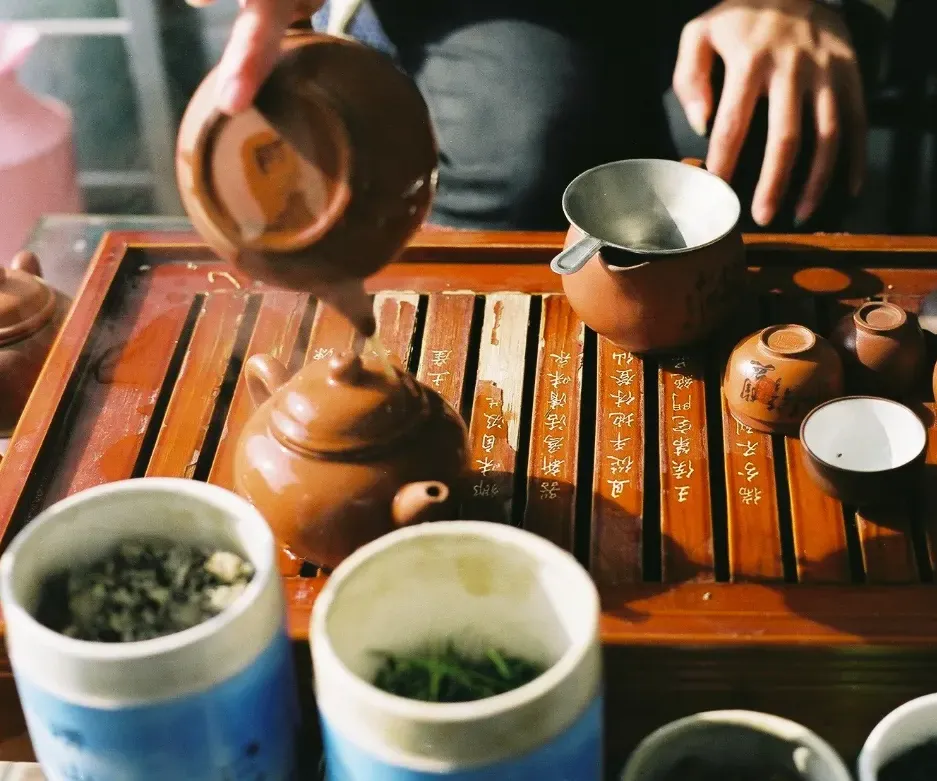
Guyue Longshan’s account of traditional making places starter preparation, winter brewing and later pressing in a seasonal sequence. This describes the relationship between preparation and environmental conditions, not a visitor demonstration timetable. A present-day producer also uses modern equipment and multiple product lines. Ask which stage converts starch, which creates alcohol and which separates liquid from solids. Those questions are more useful than reducing the entire process to the claim that older must always mean better.
On the spot
01
Start with the changing grain
Where to standAt ingredient and process displays.
Read the ingredient names rather than the bottle shapes. Starch in grain cannot simply be equated with the final flavour; preparation and saccharification create conditions for fermentation. Rice, wheat-based starters and other inoculating preparations have different roles in huangjiu. Beer production also transforms grain components into liquid suitable for yeast. Notice which stages the display separates. A row of famous bottles alone cannot explain why grain can produce such different drinks.
NoticeFind the stage that makes the grain available for fermentation.
02
Read the equipment by its function
Where to standHistorical machinery and process labels at the Qingdao museum.
Large tanks impress visually, but function is the better comparison. Vessels may heat, ferment or store; pipes move liquid between stages. Read the verbs on labels—boil, cool, filter, transfer—to connect stationary machinery into a working chain. A copper surface or aged appearance does not prove a machine is still in use. Historical exhibits and operational equipment provide different evidence. Modern cleaning and temperature control deserve attention too, since they help maintain consistency between batches.
NoticeExplain one machine’s input and destination in a single sentence.
03
A starter is a body of working knowledge
Where to standDescriptions of Shaoxing starters and fermentation.
A grain starter is not merely a flavouring ingredient. It is a working material within the brewing system. Traditional accounts connect its preparation with water, vessels and timing, and practical skill includes judging when to intervene and when to wait. A short museum introduction is not a complete home-brewing recipe. Compare instead how two process accounts describe ingredients, season and storage. Understanding a starter gives substance to an origin or product-type label that might otherwise read only as advertising.
NoticePut starter preparation, fermentation, pressing and storage in sequence.
04
Comparison need not require drinking
Where to standA museum service area where tasting is optional.
If you choose a sample, identify the product, serving temperature and amount first. Separate aroma, sweetness, acidity, bitterness and texture without making one sip a display of expertise. Labels communicate different information through ingredients, product category and alcohol percentage; an ageing name should also be read with its actual specification. If you do not drink, vessels, packaging, transport and production routes still explain industry and consumption. Declining a group sample does not prevent participation in the visit.
NoticeCompare two labels before any optional tasting.
From a brewing calendar to new uses
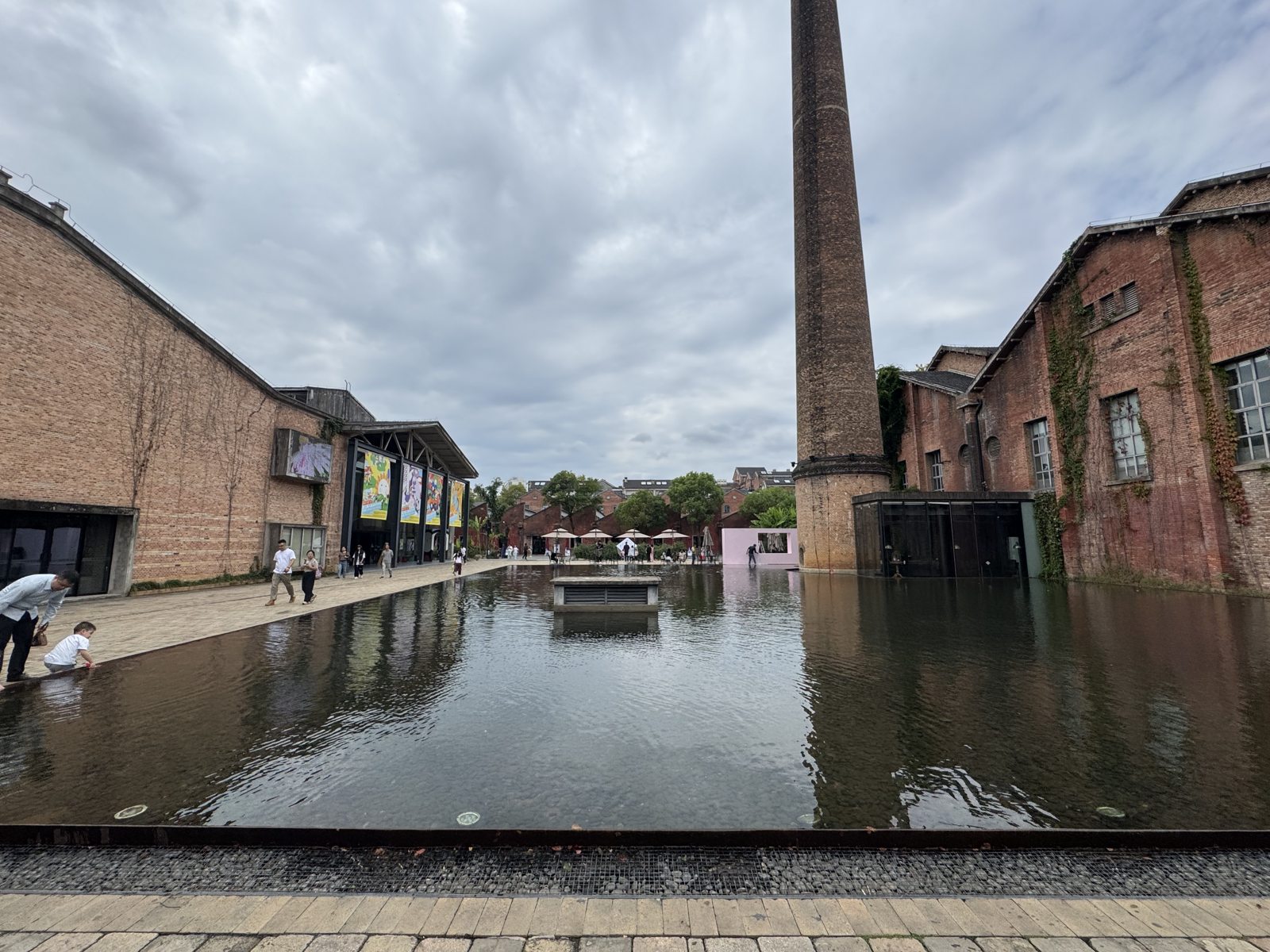
Shaoxing’s rice-wine ice creams and drinks introduce a familiar flavour to new audiences, while Qingdao’s industrial museum makes a brewery part of urban tourism. Neither a new product nor a historical machine explains the entire tradition. Attend to how production is interpreted, products are sold and visitors who decline alcohol are included. Local taste continues through new packaging and settings, and the full cultural story includes those present-day arrangements.
Going further
Before you go
Being a good guest
- Keep tasting voluntary; do not pressure companions or involve children in drinking.
- Stay behind production barriers and do not handle machinery.
- Check which samples are included before accepting paid additions.
- Ask before photographing workers and detailed operations.