In 30 seconds
- 1
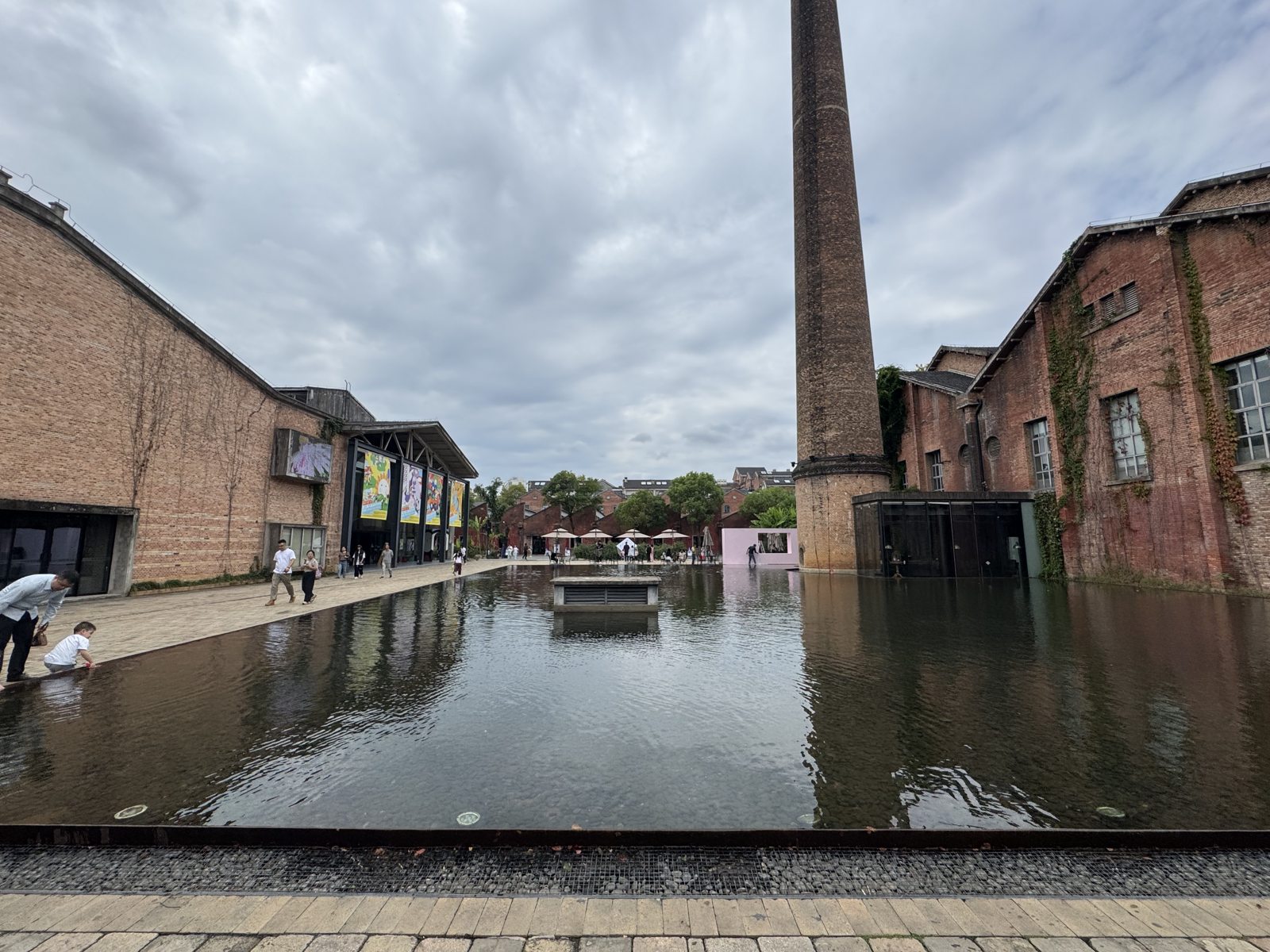
The first phase centres on the former Universe Porcelain Factory, retaining workshops, chimneys, water towers and kilns.
- 2
Industrial remains beside contemporary ceramics reveal how different modes of production require different spaces.
- 3
Exhibitions, studios and markets keep their own schedules; a public district does not mean every room is open.
A porcelain factory leaves more than bricks
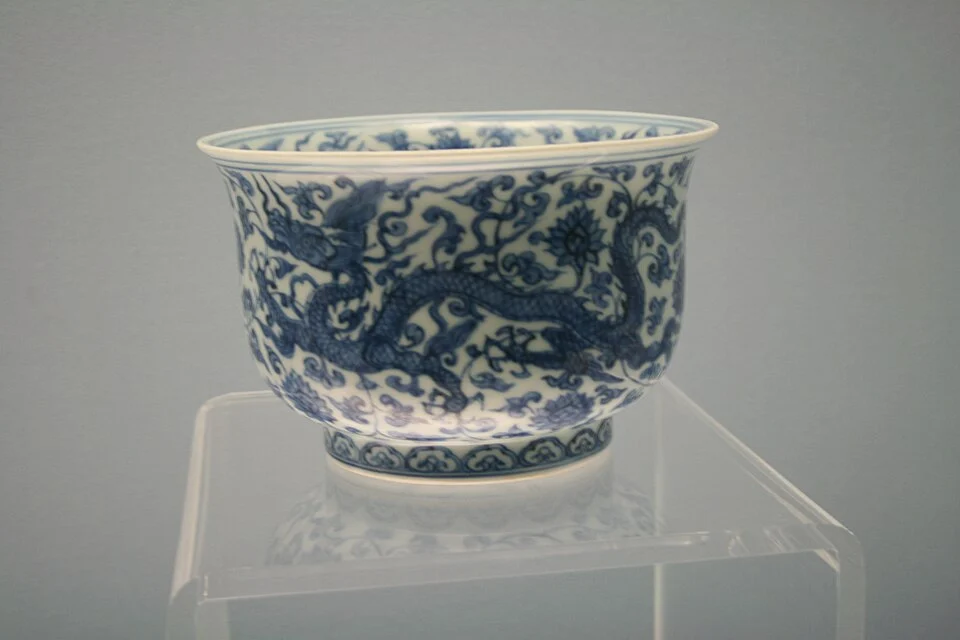
Jingdezhen’s history is often told through emperors, famous kilns and beautiful objects. Taoxichuan brings the modern factory into view. Its core is the former Universe Porcelain Factory: chimneys, sawtooth workshops, a water tower and coal-fired kilns preserve the scale of batch production. These buildings originally served work, daylight, transport and cooperation. A handmade cup shown here today belongs to a different relationship between maker, building and buyer.
The district protects and repairs industrial structures while accommodating museums, galleries, studios, creative commerce and restaurants. New uses keep buildings active and change who enters them. Read the place through both surviving evidence and present occupation. The colour of a brick wall may be attractive, but kilns, roofs, doorways and structural spans offer better questions about the history of work.
On the spot
01
A roof that brings light inside
Where to standPublic areas beside retained factory buildings.
Find a sawtooth roof and study its alternating folds and glazed faces. Imagine many workstations sharing a large hall and needing dependable light. Roof, column spacing and openings formed a working environment. Studios may now divide that hall into smaller units. Ask which new uses the old structure permits and which require partitions or extra lighting: function makes the vague label “industrial style” concrete.
NoticeCompare an old window with a new entrance. What activity does each serve?
02
The kiln as a production centre
Where to standOpen areas near kilns and industrial heritage displays.
A kiln is more than a photogenic enclosure. Read its type, fuel and period, then look for features associated with loading, heating and unloading. Coal-fired tunnel kilns and round kilns are different technologies. A display’s chronology can clarify changes in energy and method. Firing connects handwork with thermal conditions; colour, strength and shape emerge through it. Soot alone cannot tell you a temperature or a date.
NoticeMatch one structural feature with a production stage described on the label.
03
From a large factory to a small object
Where to standAn exhibition or a ceramics shop you are welcome to enter.
Choose a cup and inspect its rim, the handle’s attachment and where glaze stops at the foot. An object must be held, filled, set down and cleaned. If the seller welcomes questions, ask about forming and firing. Irregularity does not automatically prove handwork: moulds, trimming and glaze also leave effects. Compare weight, joins and feet on two similar pieces instead of simply asking which is “more traditional”.
NoticeBefore buying, ask about food use, capacity and cleaning.
04
A square changes how people meet
Where to standA place beside the district’s public square that leaves circulation clear.
A factory organised daily life through shifts and production sequences. The square now brings together residents, makers, shoppers and exhibition visitors. Notice how entrances address it: some invite entry while others merely carry a studio sign. A market can reveal how sellers present authorship and technique, but one market cannot represent the whole ceramics industry. Read space, objects and users together.
NoticeDescribe one old facility and its neighbouring new use in a sentence each.
Reuse involves choices
Shanghai’s M50 on Suzhou Creek transformed a textile factory into an art district, showing that this pattern extends beyond ceramics. Different industries leave different buildings, machines and neighbourhood relationships. Bricks and cafés cannot stand in for a universal history. Taoxichuan is most revealing when surviving production evidence and present ceramic practice explain each other.
Protection need not freeze a factory at the moment production stopped, and new commerce does not by itself establish success. Ask concrete questions: can the kilns still be understood, is makers’ work respected, and does public space allow people to linger? These questions let you appreciate design while recognising the choices involved in urban reuse.
Going further
Before you go
- Visit planning
- Public space, museums, studios and markets have separate schedules. Allow distinct time for exhibitions and browsing, and use organiser announcements for events.
Being a good guest
- Confirm that a studio welcomes visitors before entering a working area.
- Ask before handling ceramics; support them with both hands, rather than lifting by delicate handles or attachments.
- Ask before photographing works, labels or makers, and avoid interrupting sales.
- Observe historic kilns and machinery within visitor boundaries; do not climb or operate parts.