In 30 seconds
- 1
Wrapper and cooking method matter as much as the filling.
- 2
A portion, a piece and a weight-based order are different units.
- 3
When making dumplings together, watch how the work is shared.
A staple at home and in the city
Beijing dumplings participate in broader northern dough traditions while absorbing migrants’ preferences and restaurant inventions. The city’s official tourism descriptions include meat-and-vegetable fillings, coloured wrappers and combinations using ingredients from outside conventional Chinese menus. No one filling represents every household. Dumplings can carry the emotional weight of a seasonal family meal, yet also be an ordinary lunch. Their convenience does not cancel their role in special occasions.
Flour, filling, hands and heat form one connected process. Dough must become individual wrappers, edges must seal and the finished pieces must then be boiled, steamed or fried. Repetitive handwork requires continuous adjustment. Dry edges, wet filling or grease on a seam can change the result. In a making session, learning why one piece leaks and improving the next is more valuable than producing a photograph of a perfectly uniform row.
On the spot
01
Thin body, stronger edge
Where to standA freshly served dumpling before the first bite.
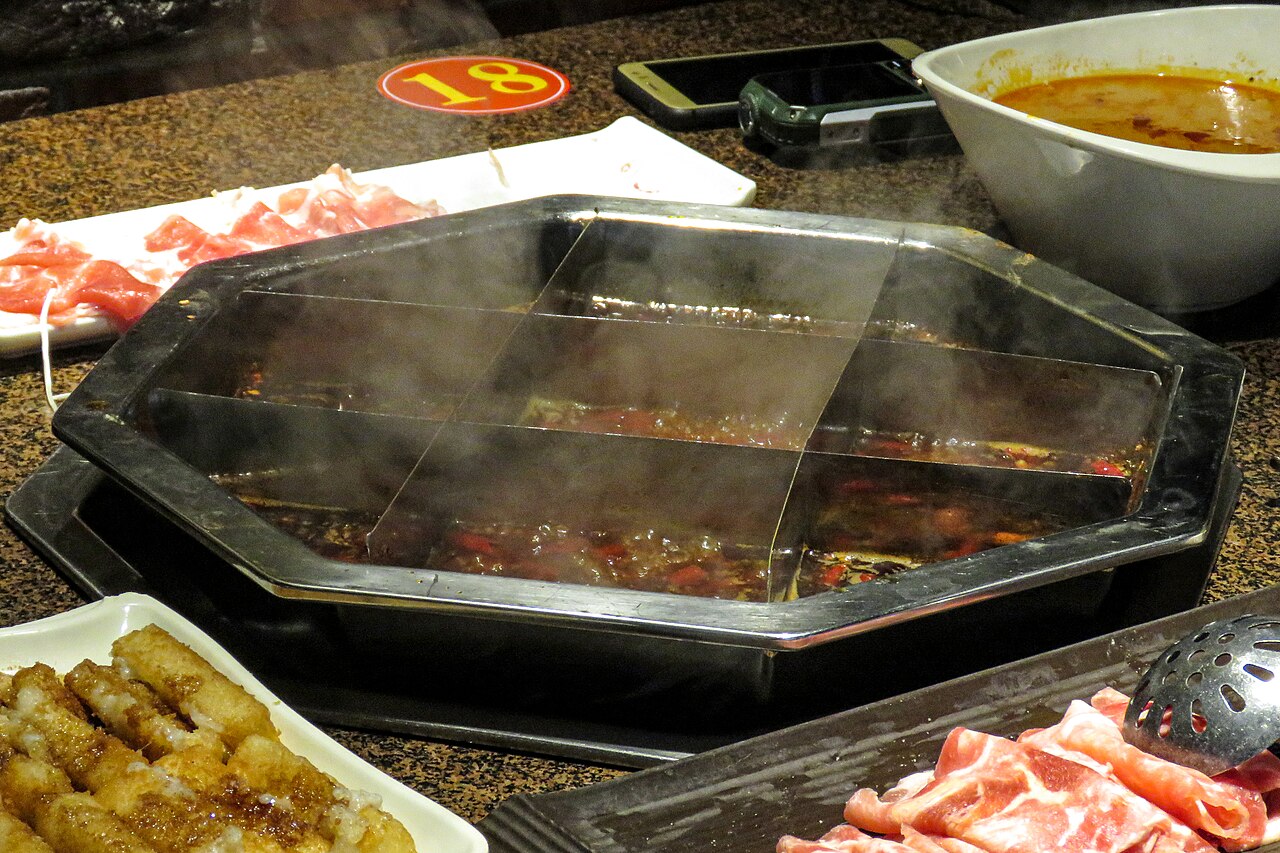
Look at the difference between the wrapper’s broad surface and folded seam. One thin sheet becomes several layers at the edge. Its final resistance depends on dough, rolling, storage and heat, so thinness is not a complete quality test. When comparing boiled and steamed dumplings, consider their different contact with water and steam before deciding which texture you prefer. Take two bites and ask whether you can still distinguish wrapper and filling rather than evaluating only the strongest seasoning.
NoticeTaste once without sauce, then compare a little vinegar.
02
The pleat has a job
Where to standAn invited view of a making table, outside the working kitchen.
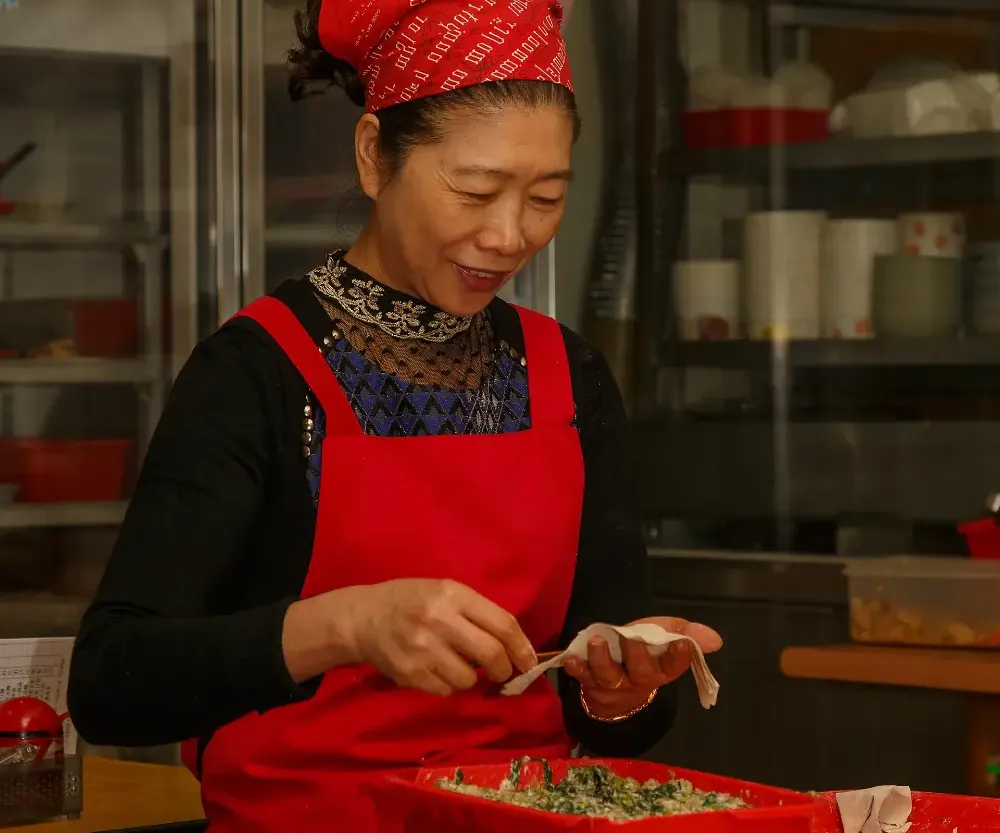
Pleats can be decorative, but the seam’s immediate purpose is containment. Beginners often overfill and force the edges together until the wrapper tears, or shape attractive folds without actually joining the two surfaces. Watch how the maker centres the filling, leaves a clean margin and closes the seam in sequence. A simple crescent can work perfectly well. Speed and the number of decorative folds are not enough to judge the quality of the finished food.
NoticeAt an authorised session, begin with less filling and inspect the whole seam.
04
Why people make them together
Where to standA booked lesson or a household activity you are explicitly invited to join.
Different people can mix dough, roll wrappers, prepare filling, close pieces and cook a single meal. Conversation occupies the same table as the work. The participants are not a synchronised performance troupe: one is fast, another learns, someone looks after a child or clears space. Ask which stage you can help with and tidy the area you used. Watching through a camera alone can miss the practical cooperation that gives the shared meal its particular character.
NoticeAfter finishing a small tray, ask who handles the next stage and pass it over.
From household work to restaurant menus
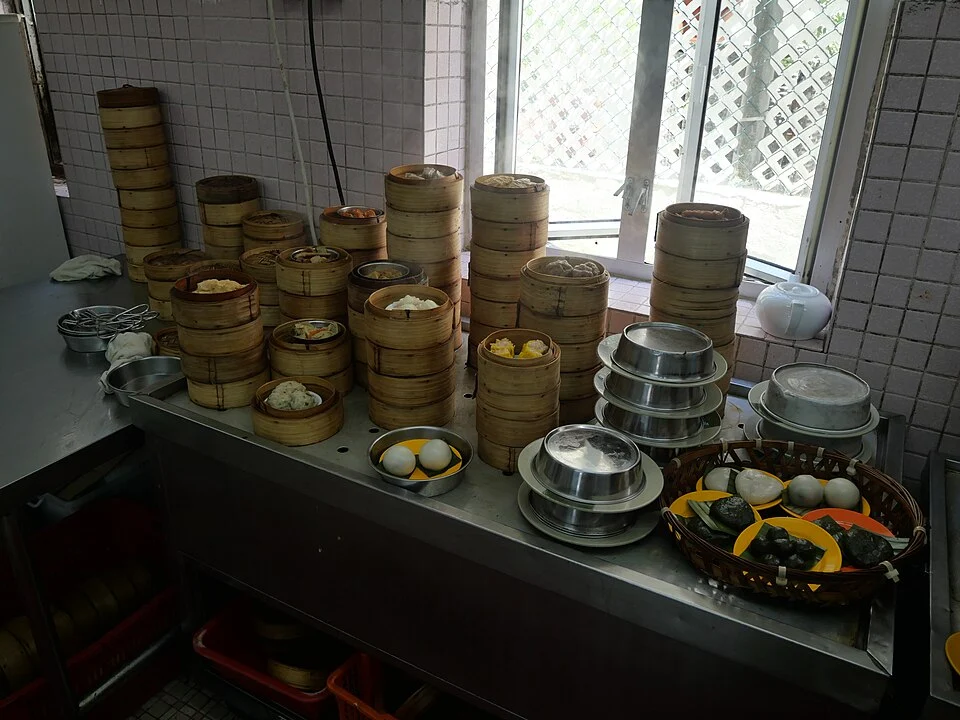
Restaurants, frozen supply and paid activities adapt dumplings to different urban routines. Machine-made wrappers or prepared fillings shift where the labour occurs, and a photograph of the final plate cannot identify the entire process. Hand wrapping on site does not establish that every component was prepared there. Ask one concrete question about the wrappers, production rhythm or choice of filling, then connect the answer to what you can observe. Tradition continues through practical adjustments between convenience and handwork.
Going further
Before you go
- Where to begin
- Beijing dough-food restaurants; the official feature lists Beijing Pie at 15 Xila Hutong, Dongcheng
- Ordering
- Meals are charged by the menu; confirm portion, piece or weight units before adding side dishes
- Making a meal
- Join a making session only by invitation or booking; an open kitchen is not permission to enter
Being a good guest
- Ask before photographing makers; keep hands outside the counter.
- Use serving utensils for shared plates and do not return dipped food.
- Wash hands before making; keep raw filling separate from cooked food.
- Do not demand a display of skill or rank households by their preferred method.