Wuhan, Hubei's capital, spans three urban centers where the Yangtze and Han rivers meet. Trading history, Chu culture and modern events have shaped this river city. Visit Yellow Crane Tower for its literary associations and Hubei Provincial Museum for treasures including the Marquis Yi bells. East Lake offers waterside walks; Hankou's waterfront and hot dry noodles introduce the city's everyday breakfast culture.
The best of Wuhan
Wuchang DistrictAbout 2 hoursCNY 70
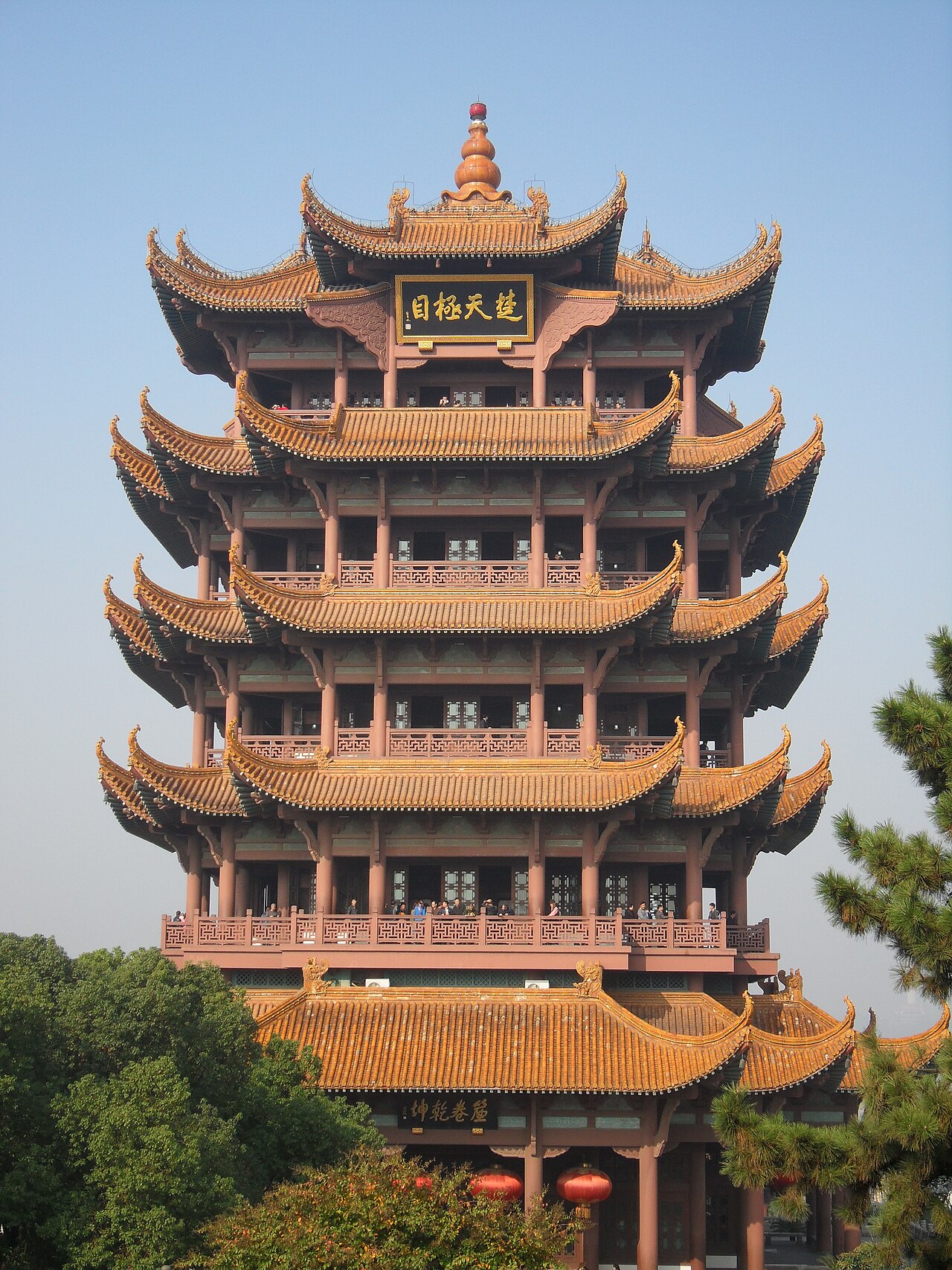
Yellow Crane Tower
Yellow Crane Tower began as a riverside military lookout in the Three Kingdoms period, then became a literary landmark through poets including Cui Hao and Li Bai. Successive towers were destroyed and rebuilt; the present structure on Snake Hill is a modern reconstruction at a changed location. Murals and inscriptions recount crane legends, while the upper floors overlook the Yangtze shipping route.
BookingBuy online or at the ticket office; choose your visit slot ahead of busy holidays. The Yellow Crane Tower night show requires a separate ticket.
Location
1 West Slope of Snake Hill, Wuchang District, Wuhan
Opening hours
April–October 08:00–18:00; November–March 08:00–17:00. Night visits operate as separate sessions.
Admission
Daytime admission; separate tickets are required for night-tour experiences.
Eastern WuhanAbout 4 hoursFree entry
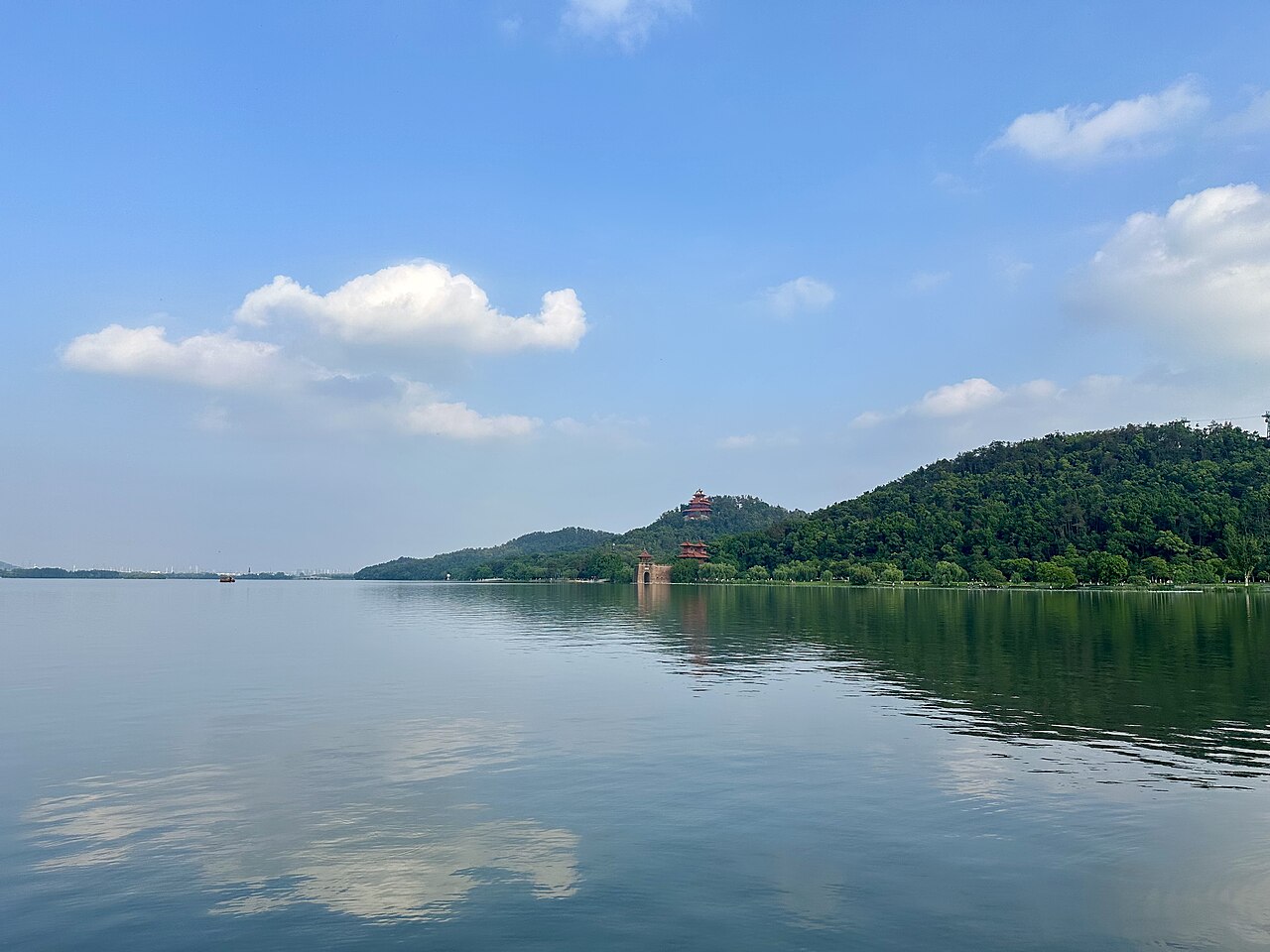
East Lake (Wuhan)
Wuhan's East Lake consists of interconnected waters and bays reaching into the surrounding land. Its irregular shoreline places shallow wetlands beside woodland and deeper water. Around Moshan, collections of plum blossom and cherry trees accompany buildings themed on ancient Chu culture. Different sections of the lakeside route lead past shallows used by waterbirds and into gardens organized around particular groups of plants.
BookingRegular access to the public areas of Tingtao and Moshan does not require advance booking. Cherry-garden events, cruises and other separate attractions have their own tickets.
Location
East Lake Ecotourism Scenic Area, Wuhan. Tingtao is at 2 Yanhu Avenue; Moshan is on the lake's southern shore.
Opening hours
Tingtao and the greenway are open around the clock; Moshan 08:30–17:00; Luoyan 08:00–17:30.
Admission
Public areas of Tingtao, Moshan and Ma’anshan Forest Park are free. Luoyan admission is CNY 13; cherry-garden events, boats and other attractions cost extra.
Wuchang DistrictAbout 3 hoursFree entry
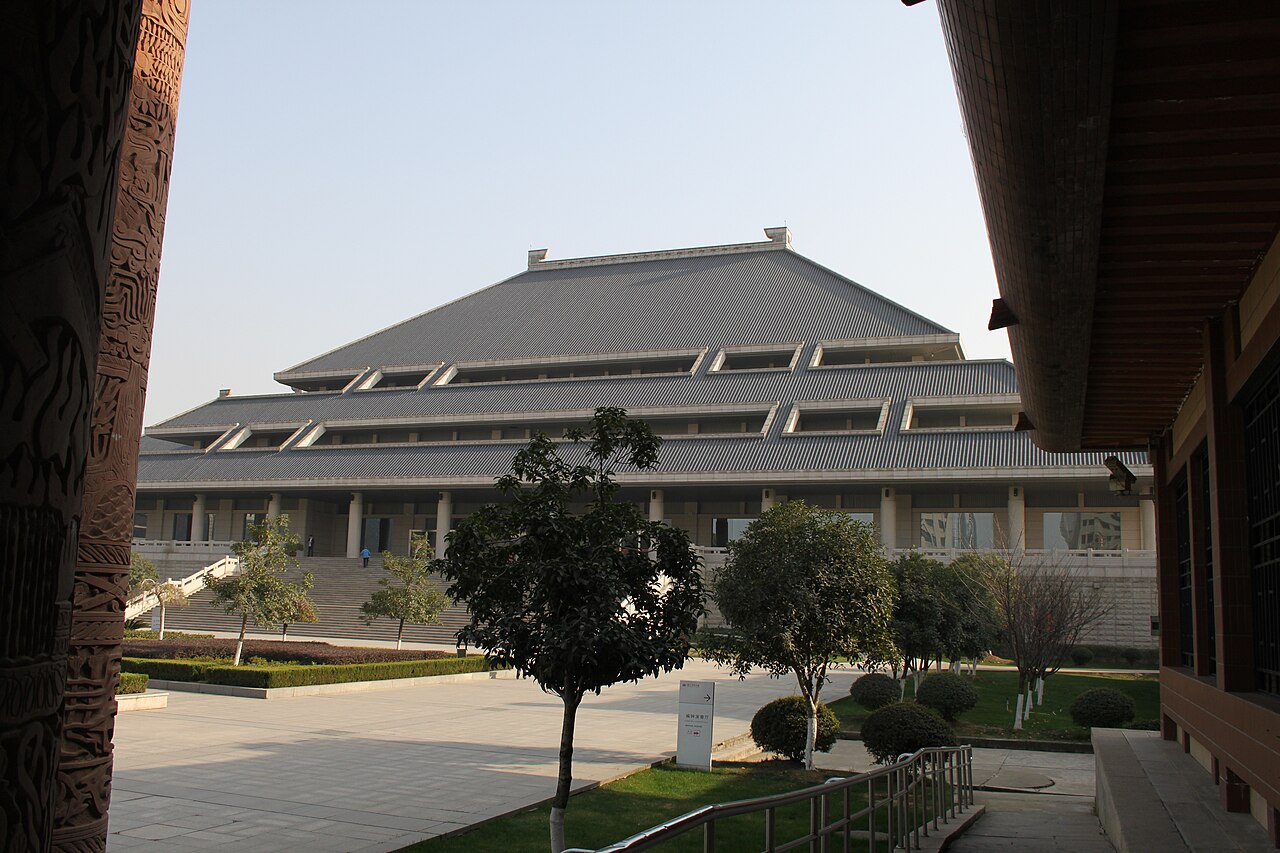
Hubei Provincial Museum
The bells of Marquis Yi of Zeng reveal how music operated within ancient court ritual. Striking different parts of these Warring States bronze bells produces different pitches, while their inscriptions record notes and musical knowledge. Another signature object, the Sword of Goujian, identifies the king of Yue through its inscription and demonstrates sophisticated early metalworking. Together, these objects give tangible structure and purpose to the history of China's early states.
BookingMake a real-name reservation through the official website or WeChat account and arrive in your booked slot. Bring the original ID used to book; passport bookings also require the reservation QR code.
Location
160 Donghu Road, Wuchang District, Wuhan. Visitors enter through the south gate and leave through the north gate.
Opening hours
Tuesday–Friday 09:00–17:30, last entry 16:30; weekends 09:00–20:30, last entry 19:30; statutory holidays 08:30–21:00, last entry 20:00. Normally closed Mondays. The South Hall's Tianlai gallery is temporarily closed.
Admission
Permanent exhibitions are free; chime-bell performances, VR, paid temporary exhibitions and guided tours cost extra.
What to eat
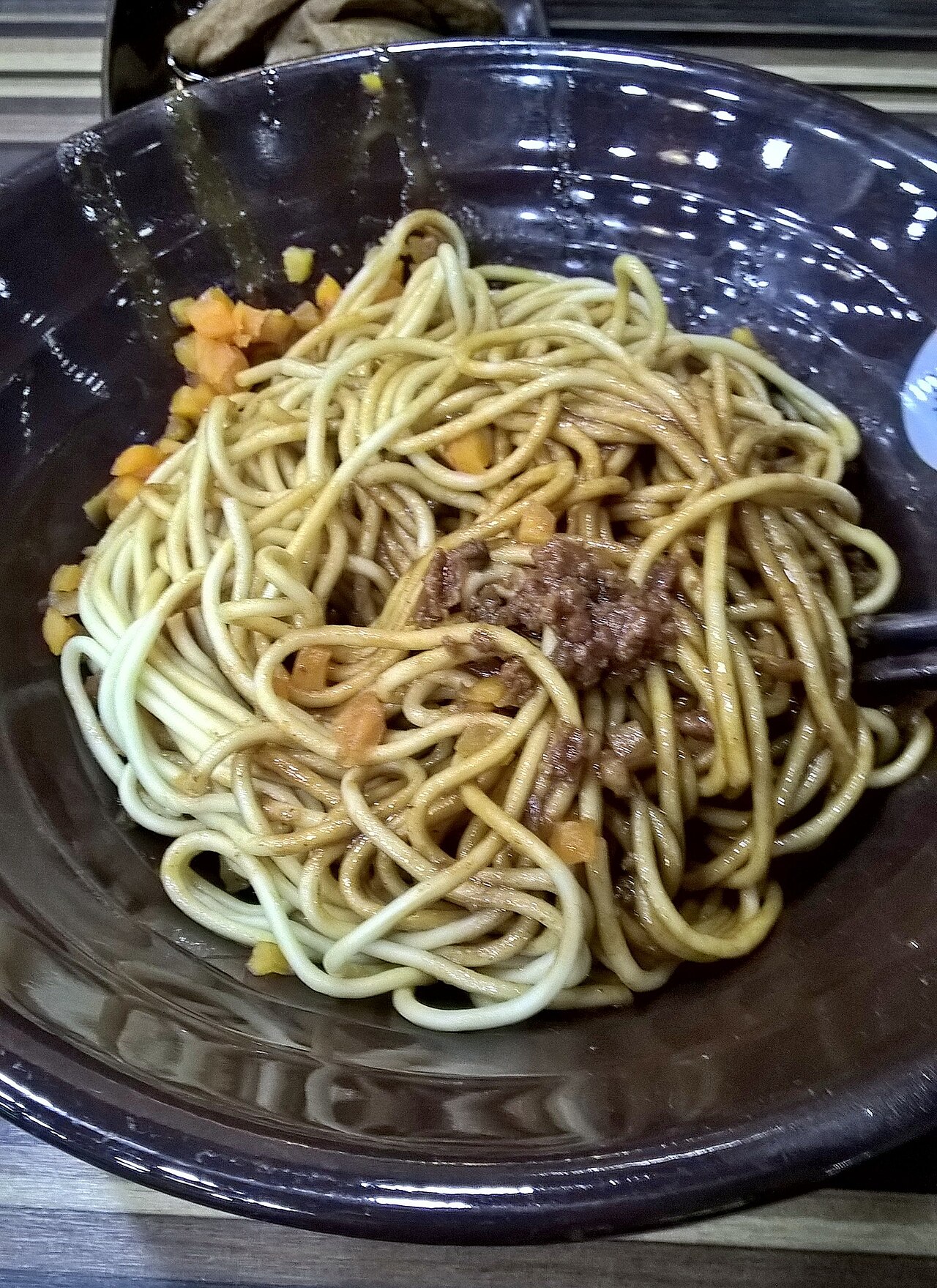
Hot dry noodles
Wuhan calls breakfast guozao, and hot dry noodles are one of its everyday favorites. Warm alkaline noodles are drained and topped with sesame paste, diced pickled radish, pickled beans and scallions. Toss from the bottom while hot to coat every strand, and ask for chilli when ordering if you like extra heat.
Three-delicacy doupi
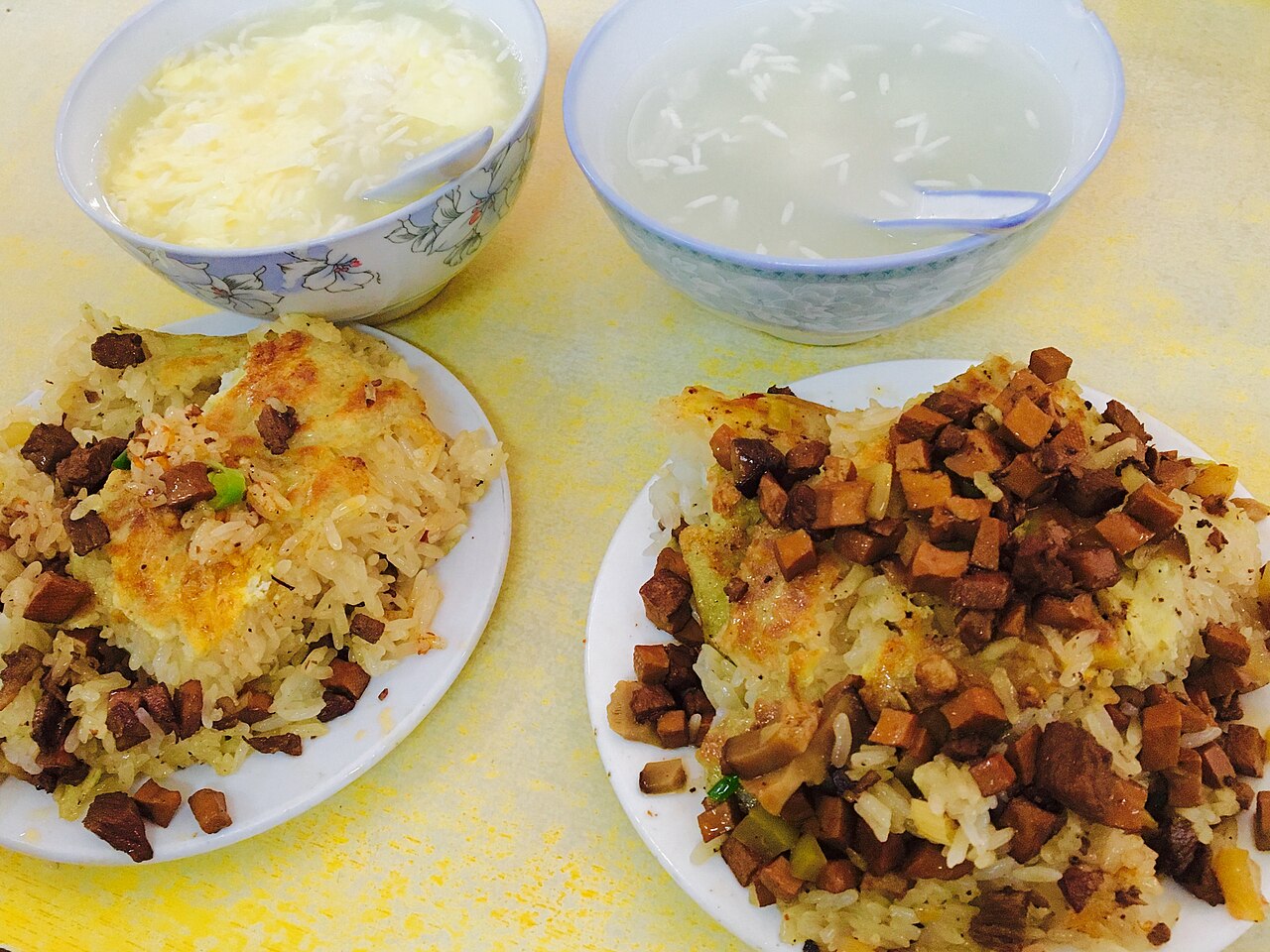
Wuhan doupi is a pan-fried sticky-rice breakfast. A golden wrapper holds glutinous rice and savory fillings such as pork and mushrooms, then the whole piece is cut into squares. Fresh from the pan, it is lightly crisp outside and soft within. Try a few pieces at a breakfast shop while exploring Hankou or Wuchang.
Arrive, explore, settle in
Arriving
Metro Line 2 connects Tianhe International Airport with Hankou Railway Station and Jianghan Road, with onward connections for your accommodation. Check whether your train uses Wuhan, Hankou or Wuchang station: they serve different districts, so arrange transfers around the exact station on your ticket.
Getting around
Wuhan spans Hankou, Wuchang and Hanyang. Use the metro for river crossings and group each day around one side of the river. Walk around Jianghan Road and the Hankou waterfront; at expansive East Lake, choose an area such as Tingtao or Moshan before planning a walk, cycle ride and return transfer.
Where to stay
A base near Jianghan Road suits a first visit, with Hankou streets, breakfast shops and Line 2 to the airport. If Yellow Crane Tower, Hubei Provincial Museum and East Lake are your focus, consider a metro-connected base around Zhongnan Road or Hongshan Square in Wuchang to reduce daily river crossings.
Make Yellow Crane Tower the main visit, then try snacks at Hubu Lane or Liangdao Street and walk along the Wuchang waterfront for views of the Yangtze River Bridge.
Route 2
Chu heritage and East Lake
Build the day around your Hubei Provincial Museum reservation, then walk in East Lake’s Tingtao area. Allow another half-day for greenway cycling or Moshan. In summer, favor early morning or evening for outdoor time.
Route 3
Hankou streets and waterfront
Explore older buildings around Jianghan Road and the Hankou Customs House, extending to Lihuangpi Road if you feel like a longer walk. Finish by the Hankou waterfront toward evening, and leave breakfast for hot dry noodles or doupi to experience Wuhan’s guozao tradition.
More planning advice
Consider arranging your Hubei Provincial Museum booking before outdoor visits. If a chime-bell performance or particular gallery matters to you, check its separate programme or gallery notice.
Choose a specific East Lake area or shoreline section before checking its entrance and activities. Public visitor areas, seasonal cherry-garden events and boat trips have different scopes, so budget for them individually.
At Yellow Crane Tower, connect the poetry with the Yangtze views while remembering that the standing tower is a modern reconstruction. For a night visit, check the separate night-tour product rather than applying standard-admission details.
Good to know
How many days do I need in Wuhan?
Allow 3–4 days, excluding intercity travel. Leave room for journeys, queues and meals.
When should I visit Wuhan?
Suggested months: Mar · Apr · May · Oct · Nov. Check weather, holidays and opening arrangements for your actual dates.
Which sights need advance booking?
Read each sight’s booking note and check official information before fixing your dates. Foreign passport booking channels may differ. Booking with a foreign passport →
Make Wuhan your own
Put your favourite places on the map, then decide how to spend each day.