In 30 seconds
- 1
Read thresholds, pavement, shops and daily rhythm. Hutong remain spaces of life and movement: walk slowly while making room for others.
- 2
Compare two thresholds from the street without recording resident information.
- 3
Observe one passing encounter and note stopping, movement and available room.
A way into the subject
Lanes around Shichahai connect water, temples, mansion heritage and homes with shops, dining and tourism. They are not a fixed painting of old Beijing. Width, commerce and residential use vary by street, and a threshold changes through the day. Official visitor accounts help establish names and public attractions but do not prove courtyard layouts, residents’ identities or dwelling histories. Observe from public streets before entering explicitly open museums, shops or venues. A closed door is not an attraction awaiting exploration.
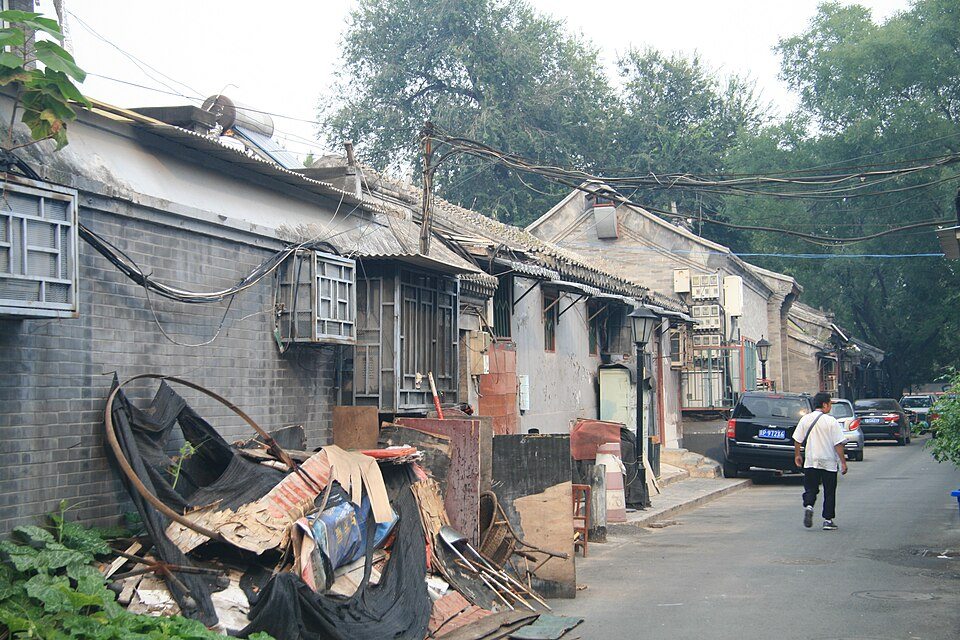
Observe form and use together. Doors, steps, walls and eaves define boundaries while deliveries, bicycles, waste collection and walking negotiate limited pavement. Altered shopfronts, retained door stones and new utility lines belong to different layers. Brick colour alone cannot date a wall, and an old component does not make an entire street a single-period survival. Urban change involves residential convenience, business and shared space as well as appearance. Considering everyday needs prevents reducing a neighbourhood to a photographic background.
On the spot
01
A threshold connects public and private
Where to standPublic pavement, without lingering before doors.
Compare thresholds, steps, door stones and signs without looking into a courtyard. Decoration may be retained, repaired or reinstalled; its style does not date an entire house. An open door can serve ventilation, delivery or family movement, not visitors. Enter a ticketed or operating venue according to its instructions. Homes require invitation rather than waiting to be stopped after peering inside.
NoticeCompare two thresholds from the street without recording resident information.
02
How a narrow lane accommodates movement
Where to standA wider spot clear of people and vehicles.
See how pedestrians, bicycles and deliveries pass. A pause may be practical coordination on a familiar route rather than a performance of politeness. Listen and look before photographing; keep a passage behind you and avoid stepping backwards at corners. Delivery, repairs and waste collection make the neighbourhood work, not merely disrupt an old-fashioned scene. Understanding who needs the road changes where you stand; the best observation position may be farther from the subject.
NoticeObserve one passing encounter and note stopping, movement and available room.
03
Shops reveal present needs
Where to standCustomer areas of operating shops.
Compare food, daily goods, souvenirs and services through signs and entrances. A shop may serve residents and visitors together; decoration does not establish authenticity. Goods, prices and use offer more concrete information than demanding an old story. Ask before interior or portrait photography; a purchase does not automatically grant permission. Keep counters clear and ask about products or opening arrangements without investigating income or turning a transaction into a study of private life.
NoticeIdentify an everyday product or service and describe its use.
04
One lane has several times of day
Where to standThe same publicly accessible street section.
Sound, footfall and business change from morning to afternoon and evening. Revisit a short section in daylight and compare open shops, places requiring room and where people pause. Absence of expected activity is meaningful; do not arrange residents’ performances to fill a story. Lakeside promenades and residential lanes have different rhythms, and lively dining streets do not represent every hutong. Record time and street section to keep conclusions specific.
NoticeVisit one place twice and note three changes and one continuity.
How the tradition reaches the present
Public-space work around Shichahai has changed some commercial and circulation conditions, while the district continues balancing residence, business and tourism. Do not assume residents unanimously welcome or reject change, or extend one visitor report to the whole area. Old photographs help compare streets, roofs and shops; residents’ experiences require voluntary conversation and fuller evidence. One walk establishes questions rather than representing all Beijing. Retaining modern details in your photographs identifies a present-day city instead of manufacturing a timeless scene.
Going further
Before you go
- Walk area
- Use public lanes around Shichahai, such as Yandai Xiejie and Ya’er Hutong, within permitted access.
- Cost and timing
- Public lanes have no scenic admission or single opening schedule. Museums, temples and shops have individual hours and charges; daylight helps identify boundaries and traffic.
Being a good guest
- Do not open residential doors or point cameras inside.
- Make room for bicycles, deliveries and residents.
- Ask before portraits and stop immediately if refused.
- Keep voices low and carry out rubbish.