In 30 seconds
- 1
Before photographing a person, decide what picture you need, explain its use and obtain permission. A good image need not turn someone else’s daily life into your performance.
- 2
Design two images of the same subject without faces before deciding whether a portrait is needed.
- 3
Prepare a question explaining private use. State public sharing separately when intended.
A way into the subject
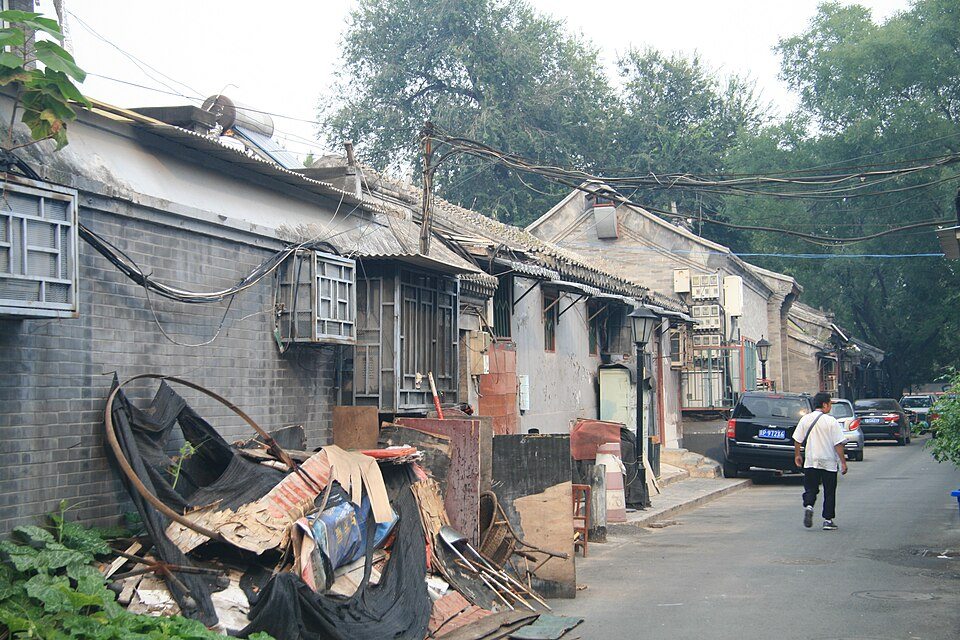
In Beijing lanes, parks, markets and near stages, visitors and residents share a route while doing very different things. You may be seeking a travel memory while someone is working, resting, rushing or caring for family. Shichahai contains tourist routes and residential life; photography should not merge them into a scenic enclosure anyone can enter. You can often study space, light and buildings without recruiting a person. When an identifiable person becomes the subject, a conversation clarifies what is happening for both sides.
A smile at a camera or the absence of an objection is not a clear agreement. Asking to take a picture helps, but explain whether it is a private memory, a public social post or commercial use; communicate again if that changes. This is a visitor’s practice and does not replace venue rules. Museums and theatres also protect objects, rights and order: Palace Museum galleries prohibit flash and tripods, and some exhibitions prohibit photographs. A willing subject does not override the rules of the space.
On the spot
01
Who does the picture need?
Where to standBefore raising the camera.
A narrow lane, abundant market or shaded park does not necessarily require a close portrait. Change angle, wait for people to pass, or photograph tools and building details for a more precise image. Authenticity is no reason to follow someone, and a long lens should not peer into residential windows. Clear, identifiable background people also deserve thought about wishes and context.
NoticeDesign two images of the same subject without faces before deciding whether a portrait is needed.
02
Explain use and allow refusal
Where to standWhere conversation does not block work or movement.
Lower the camera and ask whether an interruption is welcome. Explain what you wish to photograph and where it will appear, using a translated screen if helpful. A headshake, turning away, hesitation or continued work is a reason to end the request rather than negotiate. A language gap does not supply permission; if the reply is unclear, photograph space or objects instead.
NoticePrepare a question explaining private use. State public sharing separately when intended.
03
Keep the route usable
Where to standDoorways, lanes and stall edges.
Position and time matter. A camera spot can block a cart, an older passer-by or someone shopping; repeatedly asking a vendor to redo an action can disrupt work. Buy what you need and ask about photographing items, but a transaction does not purchase a person’s likeness or performance. An open residential door signals access for residents, not a visitor invitation; private belongings are not free scenery.
NoticeCheck both directions before shooting and choose a position you can leave immediately.
04
Care continues after the shutter
Where to standReviewing images and preparing to share.
Show the image and let someone reject an unflattering frame. Captions should not infer ethnicity, occupation, poverty or belief from appearance, nor turn ordinary activity into a ritual for a better story. Reconsider publishing house numbers, children, health information or embarrassment. A good travel picture can remain in a private album; public sharing is not every image’s destination.
NoticeBefore writing a caption, retain only what you know and remove identities inferred from appearance.
How the tradition reaches the present
Phones, livestreaming and translation make photography easier and send images away faster. Someone may agree to a private picture without expecting editing, music or advertising; making and circulating an image are separate choices. Conservation and tourism change old neighbourhoods: people may welcome sharing a craft while protecting everyday boundaries. Treat permission as an ongoing conversation rather than a permanent entitlement, making it easier to return as a welcome guest.
Going further
Before you go
- Practice setting
- Public lanes around Shichahai, Beijing; stop in wider spaces and enter homes only by invitation.
- Arrangements
- For paid photography, tours or shows, agree service, image use and total price first.
Being a good guest
- Lower the lens before asking.
- Discuss children’s photographs with a guardian and respect the child’s reluctance.
- Do not block doors, follow people or request private reenactments.
- Photo permission does not imply livestreaming, commercial use or public location tags.